The Future of Home Decor: Top AI Interior Design Tools You Should Know
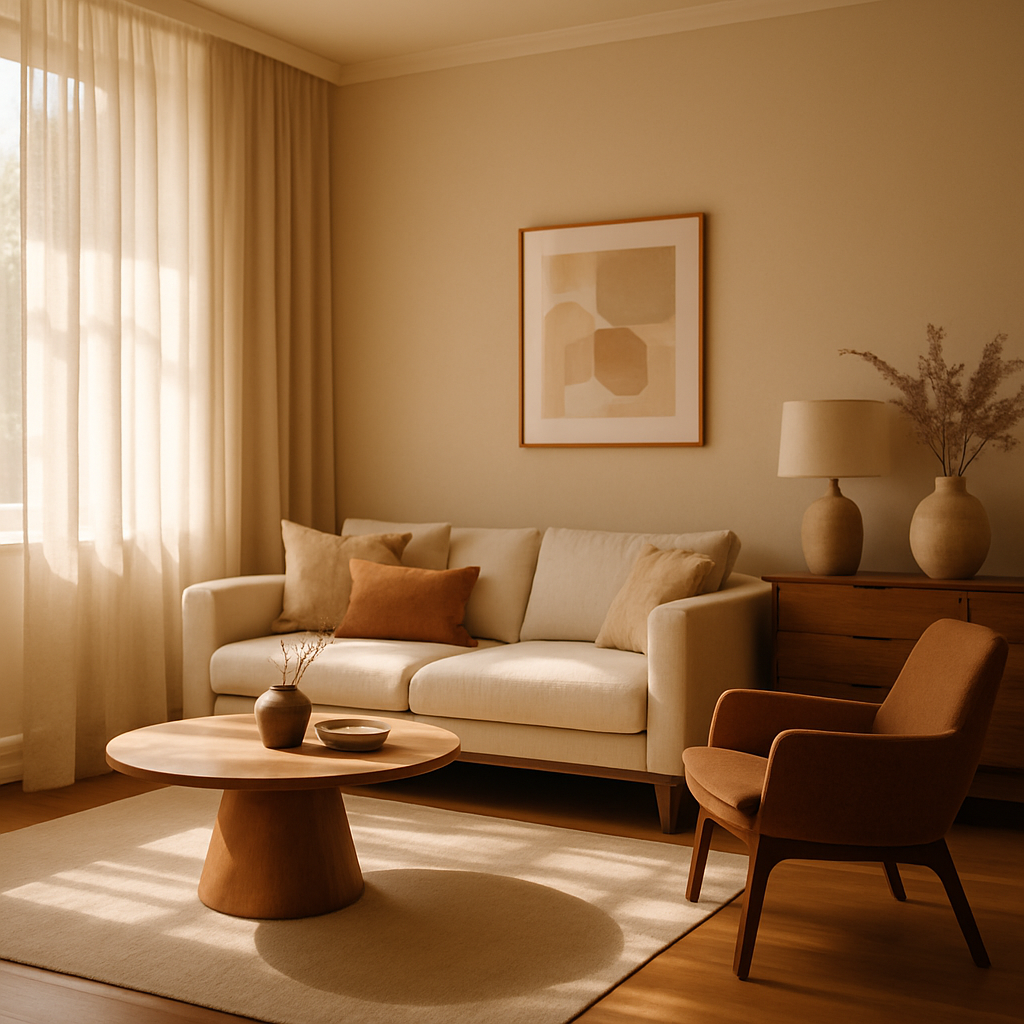
Home decor decisions have historically relied on a combination of professional expertise, personal instinct, and a fair amount of trial and error. That equation is changing as artificial intelligence tools mature from experimental curiosities into practical instruments that homeowners and designers use daily. The American Society of Interior Designers (ASID) notes that tool adoption among its members has accelerated sharply, with AI-powered platforms appearing in project workflows ranging from single-room refreshes to full residential overhauls. The question is no longer whether AI has a role in home decor but which tools deliver genuine value and how to integrate them effectively.
This guide examines six categories of AI interior design tools, from spatial planners to sustainability analyzers, evaluating their practical benefits, limitations, and cost implications. Whether you are a homeowner considering a kitchen renovation or a professional designer managing a portfolio of residential clients, understanding the current tool landscape will help you make smarter decisions about where to invest your time and money. What if the right software could cut your planning phase in half while producing better results than traditional methods? The tools profiled here are making that proposition real for thousands of users.
AI Room Planners: From Empty Space to Optimized Layout
Room-planning tools powered by AI represent the most mature category in the market. These platforms accept room dimensions - entered manually, imported from architectural drawings, or captured via smartphone LiDAR - and generate optimized furniture layouts based on configurable criteria. Traffic flow, natural light access, focal-point orientation, and functional zoning are standard parameters. The best tools produce multiple layout options ranked by composite scores, allowing the user to compare trade-offs between, say, maximizing seating capacity and maintaining clear circulation paths.
For homeowners approaching a project without professional help, these planners solve a critical problem: the inability to visualize how furniture will actually fit and function in a room before purchasing. Houzz user surveys consistently identify "furniture that does not fit the space" as a top source of buyer regret, and the returns and restocking fees that follow can add hundreds or thousands of dollars to a project's cost. AI room planners with accurate dimensional inputs virtually eliminate this problem. Several platforms also integrate with retailer catalogs, allowing users to drop specific products into their layouts and see exact proportions rather than generic placeholders.
Professional designers use these same tools at a higher level of sophistication. Rather than replacing the designer's spatial intuition, the planner generates a broad set of options that the designer then evaluates through a creative and experiential lens. IIDA has highlighted this collaborative model as a best practice: let the algorithm handle the combinatorial math while the designer focuses on the qualitative judgments - the emotional flow of a space, the narrative arc from entry to focal point, the way a layout supports or inhibits social interaction. For projects billed at to per hour, the time saved on layout iterations frees capacity for higher-value creative work.
A strong layout is the skeleton of good design, but the aesthetic flesh - colors, materials, textures - requires a different class of tool, which is where AI style engines enter the picture.
AI Style Engines: Decoding and Applying Personal Taste
Style engines use machine learning to analyze visual preferences and translate them into cohesive design directions. The typical workflow begins with the user providing input images - saved inspiration photos, snapshots of existing rooms they love, or even images of rooms they dislike (negative preferences are equally informative). The AI extracts features from these images: dominant and accent colors, material types, furniture silhouettes, pattern densities, and spatial compositions. From this analysis, it generates a style profile that guides subsequent recommendations for furnishings, finishes, and accessories.
The sophistication of current style engines goes well beyond simple category matching. Early tools might have labeled a user's taste as "modern" or "traditional" and served generic recommendations from those buckets. Current models identify the nuanced intersections that define real-world preferences. A user might gravitate toward the clean lines of Japandi furniture but prefer the warmer, richer color palette associated with quiet luxury. The engine recognizes this combination and recommends products that bridge both aesthetics - a fluted oak credenza in a deep walnut finish, for instance, or a low-profile linen sofa in a warm stone tone rather than the cool gray that strict Scandinavian minimalism might dictate.
AD PRO has reviewed several leading style engines and noted their value for designers working with clients who struggle to articulate their preferences verbally. Instead of a frustrating discovery call where the client says "I want it to feel cozy but not cluttered," the designer can walk through a visual preference exercise that produces a data-driven style profile in fifteen minutes. This profile becomes a shared reference point for the entire project, reducing misalignment and revision cycles. The technology is not replacing the designer's aesthetic judgment - it is giving both designer and client a common language grounded in visual data.
Once the style direction is established, the next critical decision involves material selection, where AI tools offer powerful capabilities for balancing aesthetics, budget, and sustainability.
Material Intelligence Platforms: Sustainable Sourcing Made Practical
Selecting materials for a home decor project involves balancing multiple competing priorities: visual appeal, durability, maintenance requirements, environmental impact, and cost. Material intelligence platforms use AI to manage this complexity, searching across thousands of products to surface options that satisfy all specified criteria simultaneously. A homeowner looking for a kitchen countertop, for example, might specify a marble-look aesthetic, heat resistance, low porosity, a price ceiling, and a preference for recycled content. The platform returns a ranked list of options that meet all five criteria, with detailed data sheets for each.
Sustainability features are particularly valuable in this category. Biophilic design principles - which emphasize natural materials, organic textures, and connections to the natural world - have moved from design-magazine trend pieces to mainstream homeowner demand. AI material platforms can filter for natural and bio-based materials, verify environmental certifications like FSC and Cradle to Cradle, and calculate estimated carbon footprints based on manufacturing and shipping data. ASID's sustainability resources recommend this kind of data-driven material evaluation as a standard practice, and AI makes it feasible for projects of any scale rather than only high-budget commercial work.
The cost implications are significant. A professional designer's time spent on material research typically accounts for a meaningful share of project hours. At billing rates of to per hour, automating even half of this research translates to substantial client savings. For homeowners working without a designer, material intelligence platforms provide a level of sourcing sophistication that was previously available only through professional channels. The platforms democratize access to the same product databases and specification tools that the industry's top firms use, compressed into interfaces designed for non-specialist users.
Smart material selection sets the stage for the next dimension of AI-assisted home decor: visualizing the completed design before any purchases or installations begin.
Photorealistic Rendering and AR Preview Tools
The ability to see a finished room before committing to purchases and contractors has always been one of the primary benefits of hiring a professional designer. AI rendering tools are extending this benefit to a much broader audience. Current generative-AI renderers can produce photorealistic images of a proposed room from a basic floor plan and a set of style parameters. The output quality rivals traditional architectural visualization, which typically requires hours of manual modeling and rendering time. AI generates comparable results in minutes, and iterating on variations - swapping a hardwood floor for polished concrete, changing a wall color from sage to charcoal - happens in seconds rather than hours.
Augmented reality preview tools complement static renderings with interactive, in-situ visualization. Pointing a phone or tablet at an actual room and overlaying proposed changes - a new sofa, a different paint color, a redesigned fireplace surround - gives homeowners an intuitive sense of how a design will feel in their specific space. The technology accounts for actual room lighting, existing architectural features, and real proportions, producing a preview that is far more accurate than imagining changes from a flat image on a screen. Houzz reports that AR preview features are among the most-used functions on its platform, with users who engage AR visualization showing significantly higher purchase confidence.
For professional designers, these tools change the dynamics of client presentation. Instead of investing hours in a single polished rendering for a reveal meeting, a designer can generate multiple options quickly and walk the client through them interactively. The conversation shifts from "trust me, it will look great" to "which of these three approaches resonates most, and what adjustments would you make?" This collaborative, iterative presentation style increases client engagement and reduces the likelihood of post-approval changes. NCIDQ practice standards emphasize client participation in the design process, and AI visualization tools make that participation more substantive and productive.
Visual tools show what a space will look like, but another category of AI tool addresses an equally important question: what a space will feel like, particularly in terms of comfort, wellness, and environmental quality.
Smart Home and Wellness Optimization Tools
The intersection of home decor and wellness has become a major theme in residential design. Beyond choosing attractive furnishings, homeowners are increasingly asking how their spaces can support better sleep, reduced stress, improved focus, and healthier air quality. AI wellness-optimization tools address these questions by analyzing environmental factors - light exposure patterns, air circulation, acoustic characteristics, temperature fluctuations - and recommending design interventions that improve occupant well-being. These tools draw on research in environmental psychology, circadian biology, and building science to produce recommendations grounded in evidence rather than aesthetic intuition alone.
Smart home integration is the delivery mechanism for many of these wellness benefits. AI-controlled lighting systems that shift color temperature throughout the day to support circadian rhythms, automated ventilation systems that maintain optimal CO2 levels, and acoustic management panels that reduce ambient noise are all examples of wellness-oriented smart home features. The design challenge lies in integrating these systems seamlessly into the home's aesthetic - hiding sensors and controllers, selecting light fixtures that serve both decorative and circadian functions, choosing acoustic panels that double as art. AI tools that bridge the gap between technical performance specifications and aesthetic design criteria are particularly valuable in this context.
Biophilic design principles align naturally with wellness optimization. Living walls that improve air quality and provide visual connection to nature, water features that generate calming ambient sound, and natural material palettes that reduce the presence of synthetic chemicals all contribute to measurable wellness outcomes. AI tools can model the combined impact of multiple biophilic interventions, estimating improvements in air quality, noise reduction, and occupant satisfaction based on room characteristics and local environmental conditions. IIDA and ASID both publish resources supporting the integration of wellness considerations into standard design practice, and AI tools are making that integration accessible to homeowners and designers at every budget level.
Wellness and smart-home tools optimize the experience of living in a space, but the financial dimension of home decor deserves its own category of AI assistance, especially for budget-conscious homeowners navigating a complex marketplace.
Budget Optimization and Cost-Tracking Tools
Residential decor projects are notorious for budget overruns. A kitchen renovation estimated at ,000 can easily reach ,000 as scope creep, material upgrades, and unforeseen structural issues accumulate. AI budget-optimization tools attack this problem from multiple angles. Before a project begins, they generate detailed cost estimates based on room dimensions, desired scope, regional pricing data, and historical project data from comparable renovations. During the project, they track actual spending against the estimate in real time, flagging variances and suggesting adjustments before small overruns compound into large ones.
For homeowners working with professional designers, these tools add a layer of financial transparency that strengthens the client-designer relationship. When the designer charges a project-percentage fee - typically ten to twenty-five percent of total project cost - both parties benefit from accurate budgeting. The client avoids surprise costs, and the designer avoids the uncomfortable conversations that arise when a project significantly exceeds its original estimate. NCIDQ practice guidelines emphasize the importance of clear financial communication, and AI budget tools operationalize that principle with real-time data.
Value engineering is another area where AI excels. When a project threatens to exceed its budget, the tool can identify specific line items where cost reductions are possible without compromising the design intent. Perhaps a designer-specified imported tile has a domestic equivalent that saves ,000 with negligible visual difference. Perhaps a custom millwork piece can be achieved with a modified stock cabinet at sixty percent of the cost. AI tools surface these alternatives automatically, giving both designer and client a menu of savings options rather than a blunt instruction to "cut costs." This precision preserves the integrity of the design while respecting the financial constraints that every real-world project faces.
Do you know exactly how much your next home improvement project will cost before you start, or are you relying on rough estimates and hoping for the best? AI budget tools can provide that certainty, and the confidence that comes with it changes the entire experience of a renovation from anxious to enjoyable.
Conclusion
The AI interior design tool landscape has matured rapidly, offering practical solutions across every phase of a home decor project. Room planners optimize layouts with mathematical precision. Style engines decode personal taste into actionable design directions. Material platforms balance aesthetics, sustainability, and cost. Visualization tools let you experience a finished space before spending a dollar on materials. Wellness optimizers ensure your home supports your health as well as your style. And budget trackers keep the financial reality aligned with the creative vision. Each category addresses a specific pain point that homeowners and designers have struggled with for decades.
The organizations that set professional standards in interior design - ASID, IIDA, NCIDQ - are integrating AI literacy into their educational frameworks and competency requirements, signaling that this technology is not a passing trend but a permanent expansion of the design toolkit. Whether you are a first-time homeowner tackling a single room or a seasoned professional managing a full project pipeline, the right combination of AI tools can save time, reduce errors, and elevate the quality of your results. Pick one tool from the categories above, apply it to your next project, and compare the outcome to your previous approach - the data will speak for itself.
More Articles You May Like



Comments
Post a Comment