Transform Your Workspace: 10 Innovative Office Interior Design Trends for 2023
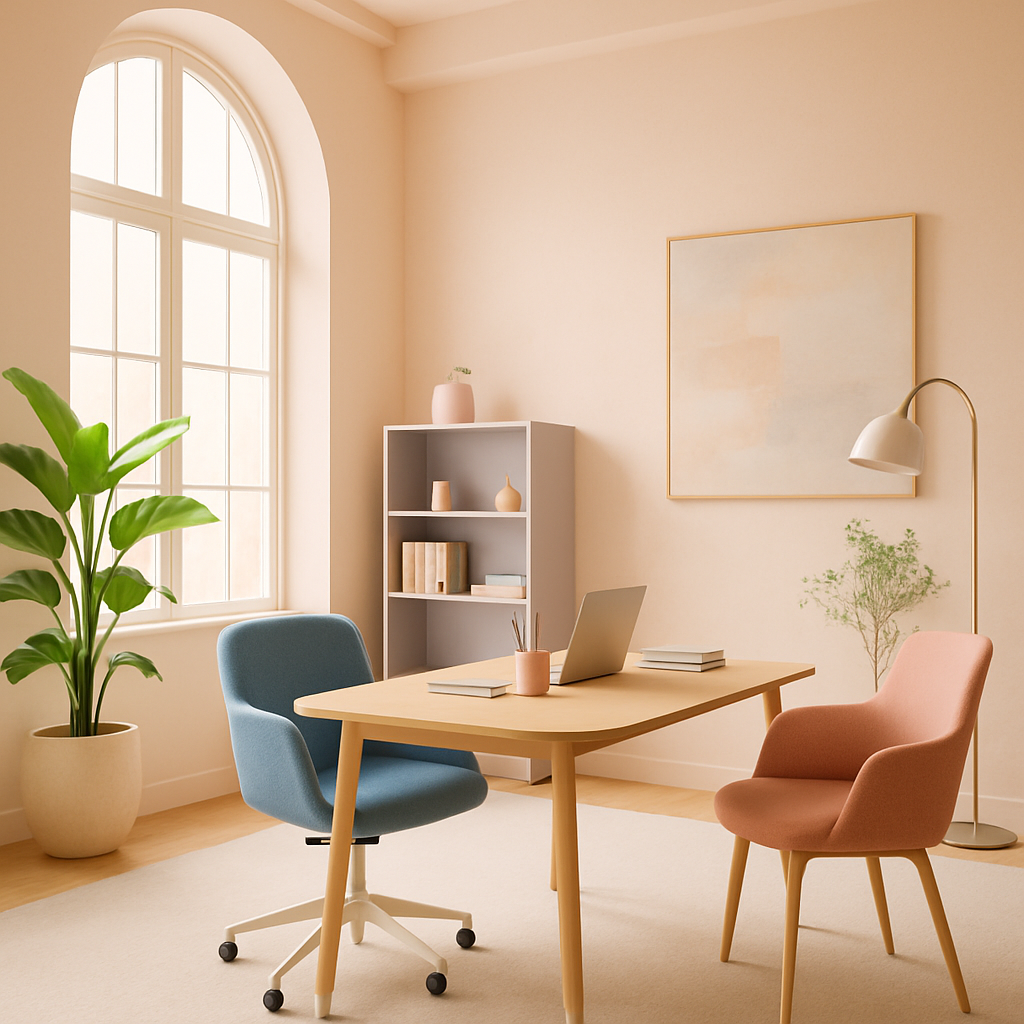
Is your office space inspiring creativity and productivity, or does it merely serve as a box filled with desks and computers? According to a recent report by the American Society of Interior Designers (ASID), well-designed workspaces can increase productivity by up to 20%. This statistic underscores the impact of thoughtful interior design on workplace efficiency. As we stride into 2023, several innovative trends are reshaping how we approach office interiors. From biophilic design elements to smart technology integration, these trends are more than just aesthetic choices-they're strategic tools for creating dynamic, efficient environments. In this article, we'll explore ten of the most impactful office interior design trends that will transform your workspace into a hub of innovation and productivity.
Embracing Biophilic Design
Biophilic design, which emphasizes the integration of natural elements into interior environments, has emerged as a leading trend in office design. This approach includes the use of natural materials, such as wood and stone, and the incorporation of plants and water features. The goal is to create spaces that foster well-being by connecting occupants with nature. According to research published by the Journal of Environmental Psychology, exposure to natural elements can reduce stress and enhance cognitive function, making biophilic design an essential component of a modern office.
For instance, the use of living walls and indoor gardens not only improves air quality but also provides a visually stimulating environment. Companies like Amazon have embraced this trend with their "Spheres" in Seattle, which feature thousands of plants and create a rainforest-like atmosphere. This move not only enhances the aesthetic appeal but also boosts employee morale and creativity.
As you consider redesigning your office, ask yourself: How can natural elements be introduced to create a more inviting and productive space? By incorporating elements like natural lighting, organic textures, and greenery, you can transform your workspace into a haven of tranquility and efficiency. This trend sets the stage for the subsequent exploration of smart technology integration.
Smart Technology Integration
The rise of smart technology in office design is revolutionizing workspaces by enhancing functionality and user experience. From automated lighting and climate controls to advanced security systems, these technologies are designed to improve efficiency and comfort. According to a survey by Houzz, smart home and office integration is expected to increase by 35% in the coming year, highlighting the growing demand for tech-savvy environments.
Consider the impact of smart lighting systems that adjust based on natural light levels and occupancy. These systems can significantly reduce energy consumption while ensuring optimal lighting conditions. Similarly, automated climate control systems maintain a comfortable temperature, adapting in real-time to changes in the office environment. Such technologies not only enhance comfort but also promote energy efficiency, contributing to sustainability goals.
Are you leveraging technology to its fullest potential in your office design? By integrating smart solutions, you can create a workspace that not only meets the needs of today's workforce but also anticipates future demands. This technological evolution naturally leads to a discussion on sustainability and eco-friendly design practices.
Sustainability and Eco-Friendly Practices
As environmental concerns take center stage, sustainable design practices are becoming a priority in office interior design. This trend involves the use of eco-friendly materials, energy-efficient systems, and sustainable sourcing practices. According to the International Interior Design Association (IIDA), incorporating sustainable design elements can reduce a building's carbon footprint by up to 30%.
Examples of sustainable practices include the use of recycled materials for furniture and fixtures, energy-efficient LED lighting, and low-VOC (volatile organic compounds) paints to improve indoor air quality. Companies like Interface, a global manufacturer of modular carpet, have set a precedent by producing carbon-neutral flooring options that align with sustainability goals.
When planning your office redesign, consider how sustainable practices can be implemented to create a healthier and more environmentally responsible workspace. This focus on sustainability paves the way for exploring the aesthetic and functional aspects of quiet luxury and understated elegance.
The Rise of Quiet Luxury
Quiet luxury, characterized by minimalist design, high-quality materials, and subtle elegance, is gaining traction in office interiors. This trend emphasizes the use of premium materials and craftsmanship to create spaces that exude sophistication without overt opulence. According to industry professionals, quiet luxury is about creating an atmosphere of calm and refinement that enhances productivity and focus.
In practical terms, quiet luxury might involve the use of plush fabrics, soft neutral color palettes, and carefully curated art pieces. Furniture choices often lean towards timeless designs with clean lines and understated details. This approach not only elevates the aesthetic appeal of the office but also creates a serene environment conducive to focused work.
How can your workspace benefit from the principles of quiet luxury? By prioritizing quality over quantity and focusing on subtle details, you can cultivate a refined atmosphere that supports both individual productivity and collaborative work. This seamless blend of style and function naturally complements the exploration of flexible and adaptable workspaces.
Flexible and Adaptable Workspaces
As work dynamics evolve, the need for flexible and adaptable office spaces has become increasingly apparent. This trend involves designing workspaces that can easily transition between different functions, accommodating various work styles and team configurations. According to a report by Architectural Digest's AD PRO network, 60% of companies are redesigning their offices to include more flexible layouts.
Examples of adaptable design include modular furniture that can be reconfigured for meetings or individual work, and multipurpose areas that serve as both collaboration zones and quiet workspaces. This adaptability ensures that the office can adjust to the changing needs of its occupants, fostering a dynamic work environment.
Is your current office setup equipped to handle the demands of a modern workforce? By embracing flexibility, you can create an environment that not only supports productivity but also enhances employee satisfaction. This adaptability in design naturally leads to the consideration of innovative visualization tools for planning and execution.
Using Visualization Tools
In the realm of interior design, the use of augmented reality (AR) and virtual reality (VR) tools is transforming the planning and visualization of office spaces. These technologies allow designers and clients to explore design concepts in a virtual environment, providing a clearer understanding of how the final space will look and function.
For instance, AR applications can overlay design elements onto existing spaces, enabling real-time adjustments and decision-making. VR, on the other hand, offers immersive walkthroughs of proposed designs, giving stakeholders a comprehensive view of the project. These tools not only enhance communication between designers and clients but also streamline the design process.
Are you utilizing these advanced tools to their full potential in your design projects? By incorporating AR and VR into your planning phase, you can ensure that your office redesign aligns perfectly with your vision and functional requirements. This innovative approach to design sets the stage for a final reflection on the overall impact of these trends.
Final Perspectives on Office Design Trends
As we navigate the evolving landscape of office design, these trends collectively represent a shift towards more thoughtful, people-centric workspaces. From the integration of nature and technology to the embrace of sustainability and luxury, each trend contributes to creating environments that are not only functional but also enriching.
Experienced professionals often note that the key to successful design lies in balancing aesthetics with functionality. By thoughtfully incorporating these trends, you can create a workspace that not only meets the demands of today's workforce but also inspires creativity and collaboration.
What trends resonate most with your vision for an ideal workspace? By reflecting on these insights and considering how they align with your goals, you can embark on a transformative design journey. This contemplation naturally leads to a call to action for those eager to revamp their office spaces.
Conclusion
In conclusion, the office interior design trends of 2023 offer a roadmap for transforming workspaces into dynamic, productive environments. By embracing biophilic design, smart technology, sustainability, quiet luxury, flexibility, and advanced visualization tools, you can create a workspace that inspires and supports your team. As you plan your redesign, consider these trends as opportunities to enhance both the functionality and aesthetic appeal of your office.
Start by exploring designer portfolios on platforms like Houzz or consulting with certified professionals from the ASID or IIDA directories. Even dedicating a short amount of time weekly to research can significantly refine your vision. Take the first step this week toward crafting a workspace that truly reflects your organizational values and goals.



Comments
Post a Comment