How to Collaborate Effectively with Your Interior Design Firm for Stunning Results
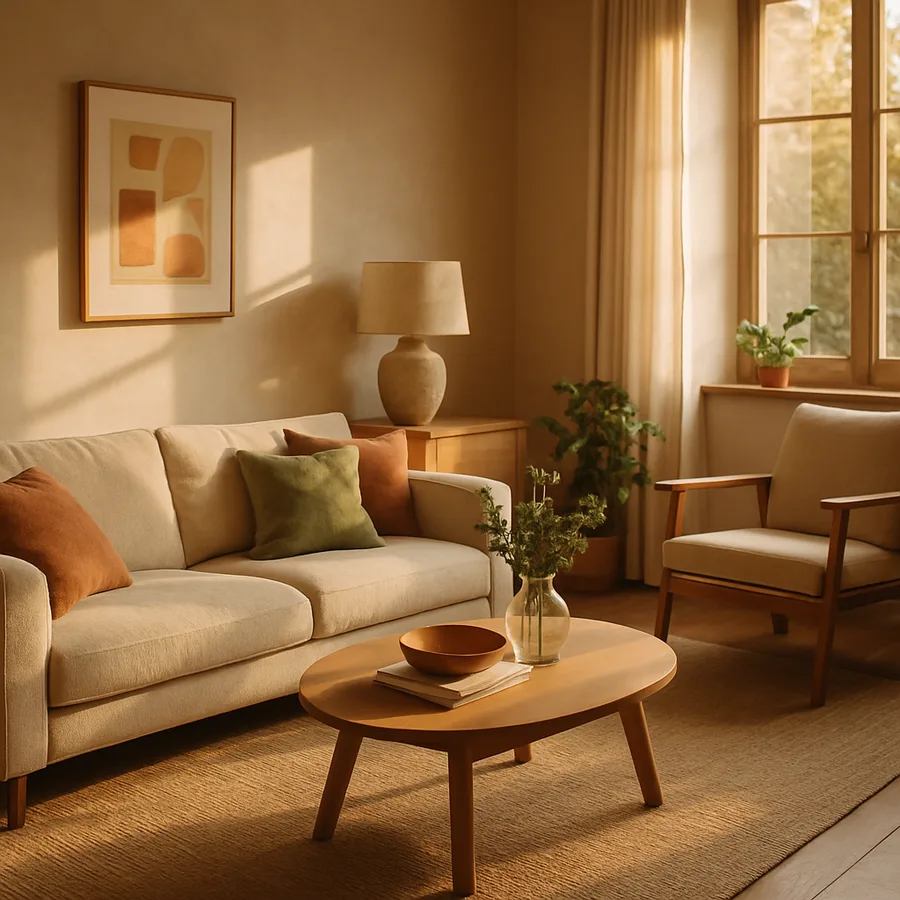
Imagine walking into your newly designed home and feeling an overwhelming sense of satisfaction. This can be your reality when you collaborate effectively with an interior design firm. According to a study by the American Society of Interior Designers (ASID), well-designed interiors can increase home resale values by 5-15%. So, what does it take to work seamlessly with design professionals to achieve such results? This guide will equip you with the tools and insights to ensure your collaboration is a success. You'll learn about the necessary prerequisites, a step-by-step process for working with designers, common pitfalls to avoid, and expert tips to make your vision come to life. Ready to transform your space?
What You Need to Know First
Before diving into a project, it's crucial to understand the landscape of the interior design industry. Certified interior designers, who hold credentials such as NCIDQ (National Council for Interior Design Qualification) or are members of organizations like IIDA (International Interior Design Association), bring a wealth of expertise to your project. These professionals follow a structured approach, ensuring that all aspects of design, from concept to execution, meet both aesthetic and functional goals.
Understanding the fee structures designers use is also vital. Most firms offer several pricing models: a flat fee for the entire project, an hourly rate ranging from $150 to $500, or a percentage of the total project cost, typically between 10-25%. Knowing these options can help you select the best fit for your budget and project scope. Additionally, procurement markups on furniture and materials are common, so it's important to clarify these details upfront.
Finally, determining the scope of your project is a prerequisite. Are you redesigning a single room, or is this a full-home makeover? Projects can range from $5,000-$15,000 for a single room to $50,000-$150,000+ for an entire home. Having a clear understanding of your needs will lay a strong foundation for your collaboration with a design firm. With these basics covered, you're ready to explore the process in more detail.
Step-by-Step Process
The first step in collaborating with an interior design firm is to articulate your vision clearly. This involves gathering inspiration from platforms like Houzz or Instagram, where you can explore designer portfolios and project photos. As you collect images and ideas, consider not just the aesthetics but also how each design element aligns with your lifestyle. Do you need a space for entertaining, or do you prioritize a quiet home office?
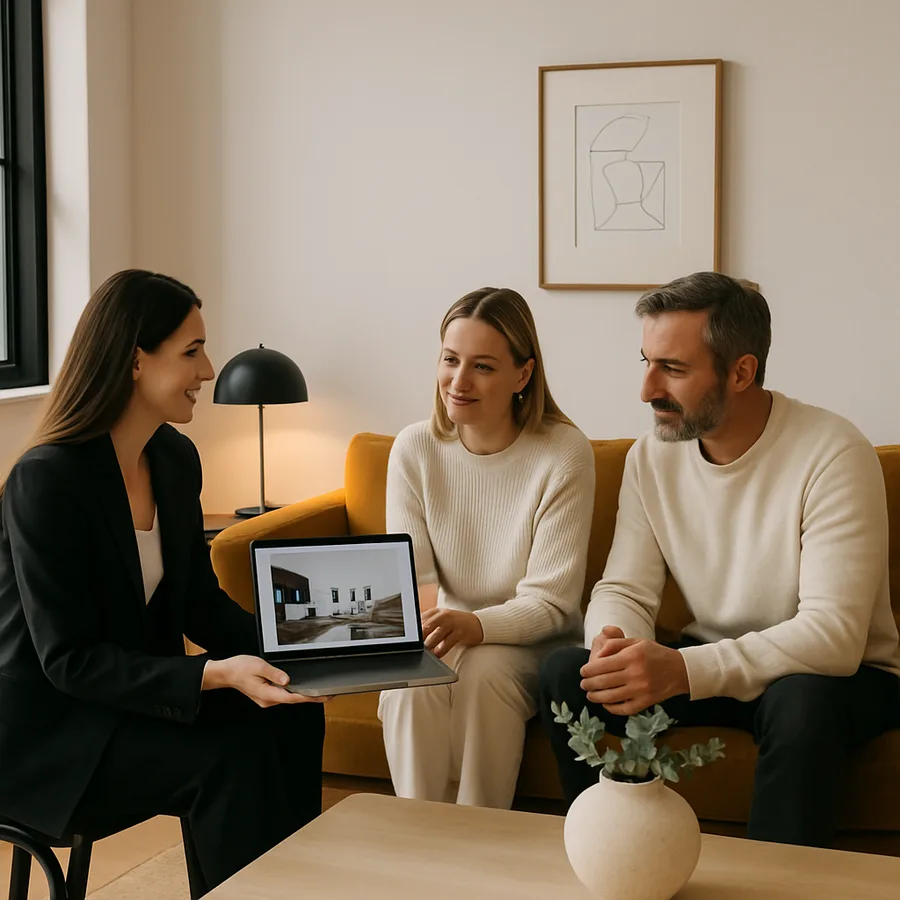
Once you've crystallized your vision, the next step is the concept development phase. Here, you'll work closely with your designer to refine ideas and create a cohesive plan. This often involves mood boards, sketches, and digital renderings. Experienced professionals often note that using AR/VR tools can help clients visualize the final result, making it easier to make informed decisions about colors, layouts, and materials.
After the initial design presentation, the project moves into procurement and installation. This phase requires clear communication to ensure that timelines and budgets are adhered to. Regular check-ins with your design team will keep you updated on progress and any potential issues. Remember, the goal is to create a space that not only looks stunning but also functions well for your day-to-day life. With these steps, you are well on your way to a successful project.
Common Mistakes to Avoid
One of the most common mistakes clients make is underestimating the importance of communication. According to industry surveys, miscommunication is one of the leading causes of project delays and dissatisfaction. Set clear expectations from the beginning, and don't hesitate to ask questions if something isn't clear. Regular updates and feedback sessions are essential to keep everyone aligned.
Another pitfall is failing to account for unexpected costs. Always allocate a contingency budget of at least 10-15% of the total project cost. This will cover unforeseen expenses like structural changes or unexpected delays. For instance, if you're integrating smart technology, additional wiring or network upgrades might be necessary, which could increase costs.
Avoiding the temptation to rush the process is also crucial. Good design takes time, and rushing can lead to decisions you might regret later. Trust in the expertise of your design team and allow them the time needed to execute your vision properly. As you move forward, think about how to enhance your collaboration by leveraging expert advice.
Pro Tips from Industry Experts
Industry experts often emphasize the importance of flexibility during the design process. Be open to your designer's suggestions, as they bring a fresh perspective that can enhance your original ideas. For example, while you might prefer a certain color palette, your designer might suggest a slight variation that complements your space better, considering factors like lighting and room size.
Another pro tip is to engage in value engineering. This involves finding ways to achieve the desired aesthetic and functionality without overspending. For instance, using sustainable and reclaimed materials not only reduces costs but also aligns with current trends in biophilic design, which focuses on integrating natural elements into indoor spaces.
Finally, experienced professionals recommend using digital tools to streamline communication and project management. Platforms like Trello or Asana can help you keep track of progress, deadlines, and tasks. By utilizing these tools, you can ensure that everyone involved in the project is on the same page, reducing the chances of misunderstandings and delays. With these strategies, you can optimize your collaboration and achieve exceptional results.
Budget and Timeline Considerations
Budgeting effectively is crucial for the success of your interior design project. Start by discussing your financial constraints openly with your design firm. This allows them to tailor their recommendations to fit your budget, ensuring that you get the most value for your investment. Consider breaking down your budget into categories, such as materials, labor, and contingency, to manage costs more effectively.
Timelines are equally important. Establish a realistic timeline that accommodates potential delays. According to Architectural Digest, unforeseen delays are commonplace in design projects due to factors like supply chain disruptions or permit approvals. To mitigate these risks, build a buffer into your schedule and maintain flexibility.
Lastly, align your budget and timeline with your personal and professional commitments. Are there any upcoming events or life changes that could impact your project? By considering these factors early on, you can avoid unnecessary stress and ensure that your project progresses smoothly. With a solid plan in place, you're ready to explore real-world examples that illustrate these principles in action.
Real-World Examples and Case Studies
One notable case study involves a family who collaborated with a top design firm to revamp their open-concept living space. Initially, their challenge was balancing style with the functionality required for a young family. By working closely with their designers, they created a multi-functional space that featured smart storage solutions and durable, child-friendly materials without sacrificing elegance.
Another example is a couple who wanted to integrate smart home features into their historic property. The design firm utilized advanced technology, such as automated lighting and climate control, while preserving the home's original character. This project highlights the importance of marrying modern conveniences with traditional aesthetics, a trend that's gaining popularity.
These scenarios demonstrate how effective collaboration with a design firm can lead to personalized and innovative solutions. By learning from these examples, you can apply similar strategies to your own projects, ensuring that your collaboration yields the stunning results you envision. As we conclude, consider the key takeaways and your next steps in this exciting journey.
Conclusion
Collaborating with an interior design firm requires clear communication, strategic planning, and a willingness to embrace expert guidance. By avoiding common pitfalls, leveraging industry insights, and planning your budget and timeline effectively, you can achieve the stunning results you desire. Remember, a well-executed design not only enhances your living space but can also increase your property's value significantly.
Your next step is to start browsing portfolios on platforms like Houzz to refine your vision. Even dedicating just 20 minutes to this research can sharpen your eye for what you want. With the right preparation and collaboration, your design dreams are well within reach.
More Articles You May Like



Comments
Post a Comment