How AI Apps Revolutionize Interior Design: A Guide for Homeowners
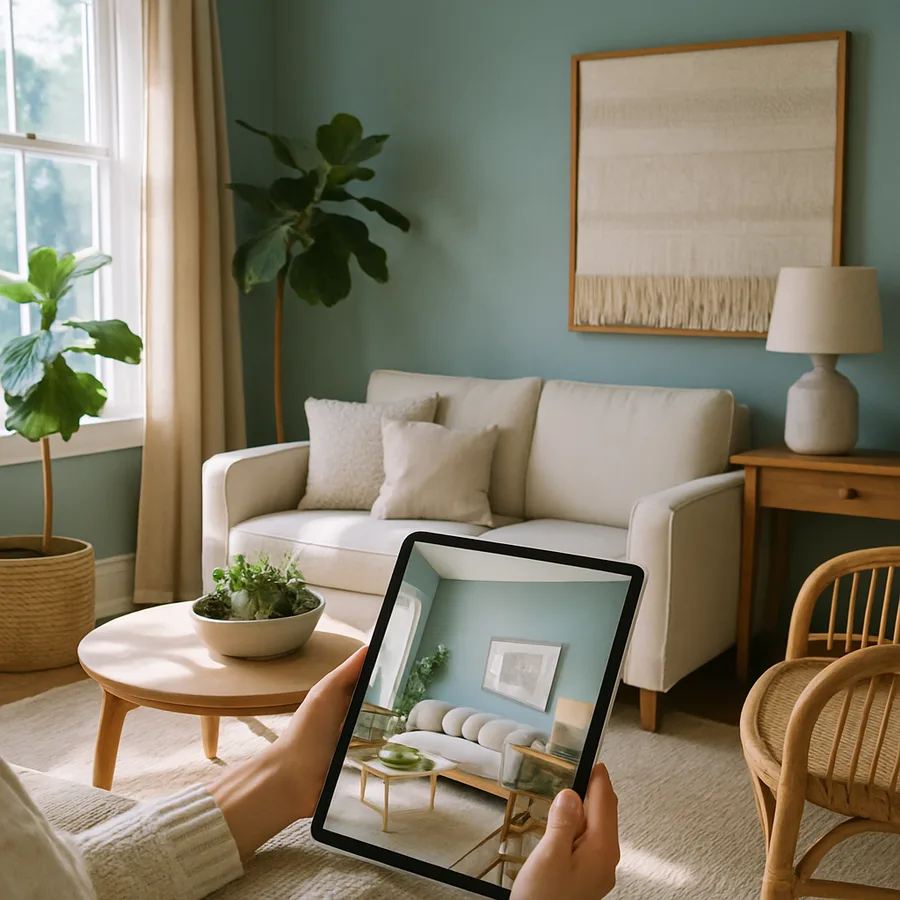
The intersection of artificial intelligence and interior design has created a seismic shift in how homeowners approach the look and feel of their living spaces. What once required expensive consultations with professional designers can now be explored, tested, and refined through sophisticated AI-powered applications available on smartphones and tablets. According to a report by the American Society of Interior Designers (ASID), over 68% of homeowners who used digital design tools reported feeling more confident in their renovation decisions. This growing wave of technology is not simply a passing trend but a fundamental transformation in how we think about domestic spaces. For homeowners who have felt overwhelmed by the sheer number of choices involved in a redesign, AI apps provide a structured, data-driven path through the chaos. The result is a more accessible, more democratic approach to achieving professional-quality interiors.
Understanding the Technology Behind AI Interior Design Apps
At the core of AI interior design applications lies a combination of computer vision, machine learning algorithms, and vast databases of design principles that work together to analyze and transform spaces. These apps use your smartphone camera to capture the dimensions, lighting conditions, and existing furnishings of a room, then process that information through neural networks trained on millions of professionally designed interiors. The International Interior Design Association (IIDA) has noted that the accuracy of spatial recognition in leading apps now exceeds 94%, making virtual room planning remarkably reliable. This level of precision was unimaginable just a few short years ago and continues to improve with each software update.
The machine learning models powering these applications learn from every interaction, constantly refining their suggestions based on user preferences, regional design trends, and feedback loops from completed projects. When a homeowner rejects a suggested color palette or furniture arrangement, the algorithm adjusts its understanding of that individual's taste profile, leading to increasingly personalized recommendations over time. This adaptive capability sets AI design tools apart from static mood boards or simple drag-and-drop room planners. The technology does not merely present options; it learns, evolves, and anticipates what a homeowner might find appealing based on patterns that would be invisible to the human eye.
Beyond basic room visualization, many AI apps now incorporate augmented reality features that allow homeowners to see proposed changes overlaid on their actual spaces in real time. You can point your phone at an empty corner and watch as the app projects a reading nook, complete with a specific armchair, side table, and lamp, all rendered with realistic shadows and proportions. Houzz, one of the leading platforms in this space, reports that users who engage with AR features are 11 times more likely to make a purchase decision than those who browse traditional product photos alone. This immersive experience bridges the gap between imagination and reality, reducing the anxiety that often accompanies significant design investments.
Practical Benefits for Everyday Homeowners
The most immediate advantage of AI interior design apps is the dramatic reduction in both cost and time required to explore design possibilities. Traditional interior design consultations can run anywhere from a few hundred to several thousand dollars, and the process of reviewing samples, visiting showrooms, and waiting for custom orders can stretch over months. AI apps compress this timeline by offering instant visualizations, curated product recommendations with direct purchase links, and the ability to experiment with dozens of layouts in a single afternoon. For homeowners working within tight budgets, this efficiency translates directly into savings that can be redirected toward higher-quality materials or furnishings.
Another practical benefit is the elimination of costly mistakes that arise from misjudging scale, color relationships, or spatial flow. Have you ever purchased a sofa that looked perfect in the showroom only to discover it overwhelmed your living room? AI apps address this problem by rendering furniture and decor items at their exact dimensions within a model of your actual room, revealing potential issues before any money changes hands. The National Council for Interior Design Qualification (NCIDQ) has emphasized the importance of spatial planning as the foundation of successful design, and AI tools bring this professional-grade capability to anyone with a smartphone. The peace of mind that comes from seeing a complete, accurate preview of a redesigned room cannot be overstated.
AI design apps also serve as powerful educational tools, helping homeowners develop their aesthetic sensibilities and understand the principles that make a space feel cohesive, comfortable, and visually balanced. Many apps include explainers on why certain color combinations work, how natural light affects the perception of room size, and what role texture plays in creating depth and warmth. This educational dimension transforms homeowners from passive consumers of design advice into informed participants who can articulate their preferences, ask better questions, and collaborate more effectively with professionals when the scope of a project warrants expert involvement. The democratization of design knowledge is perhaps the most lasting contribution of these technologies.
Choosing the Right AI Design App for Your Needs
The marketplace for AI interior design apps has grown rapidly, and not all offerings are created equal. Some apps excel at color matching and paint selection, using algorithms that analyze natural and artificial lighting conditions to predict how a specific shade will appear on your walls at different times of day. Others focus on furniture arrangement and spatial optimization, calculating traffic flow patterns and recommending layouts that maximize both functionality and aesthetic appeal. Before downloading an app, homeowners should clarify their primary goal, whether it is a complete room overhaul, a simple furniture rearrangement, or a targeted update to a color scheme, and select the tool best suited to that objective.
Privacy and data handling represent important considerations when evaluating AI design apps. These applications require access to your camera and often store images of your home's interior on cloud servers to power their AI processing. Reputable apps are transparent about their data practices, offer options to delete stored images, and use encryption to protect sensitive information. ASID recommends that homeowners review the privacy policy of any design app before granting camera access, particularly if the images might reveal security-sensitive details such as entry points, alarm systems, or valuables. A thoughtful approach to data privacy does not diminish the utility of these tools but ensures that the benefits come without unnecessary risk.
User interface quality varies significantly across apps, and a tool's effectiveness depends largely on how intuitive it feels to navigate. The best AI design apps present complex functionality through clean, uncluttered interfaces that guide users through a logical sequence of steps, from capturing room photos to selecting style preferences to reviewing final visualizations. Apps that bury key features behind multiple menus or require extensive tutorials to operate effectively will frustrate most homeowners and ultimately go unused. Reading user reviews, watching walkthrough videos, and taking advantage of free trial periods are all sensible strategies for finding an app whose workflow matches your comfort level with technology. What features matter most to you in a design tool?
Real-World Applications Across Different Rooms
The living room remains the most popular space for AI-assisted redesign, which makes sense given its role as the social and aesthetic centerpiece of most homes. AI apps can analyze the proportions of a living room, identify focal points such as fireplaces or large windows, and suggest furniture groupings that encourage conversation while maintaining clear pathways. They can recommend accent colors drawn from existing elements, such as pulling a muted terracotta from a throw pillow and suggesting it as a wall color for an adjacent dining area to create visual continuity. The sophistication of these recommendations reflects the depth of the design databases powering the algorithms, which draw from principles established by organizations like IIDA and taught in accredited design programs worldwide.
Kitchens and bathrooms present unique challenges for AI design apps due to the presence of fixed elements such as plumbing, cabinetry, and appliances that constrain the range of possible changes. Leading apps handle these constraints by identifying fixed versus movable elements and focusing their suggestions on surface treatments, hardware upgrades, lighting modifications, and decorative accents that can transform the feel of a space without requiring structural work. A kitchen that feels dated and dim might receive recommendations for under-cabinet LED strips, a bold backsplash tile, and open shelving to replace a section of upper cabinets, all visualized in context and accompanied by estimated costs and product links. This practical, constraint-aware approach makes AI tools especially valuable for homeowners undertaking targeted refreshes rather than gut renovations.
Bedrooms and home offices have seen a surge in AI-assisted redesign interest, driven in part by the lasting shift toward remote and hybrid work arrangements. AI apps can optimize a bedroom to serve dual purposes by suggesting layouts that separate the sleep zone from a compact work area using visual cues such as area rugs, different lighting temperatures, and strategic furniture placement rather than physical partitions. The National Council for Interior Design Qualification (NCIDQ) has highlighted the importance of circadian-appropriate lighting in spaces where people both sleep and work, and several AI apps now incorporate this consideration into their recommendations, suggesting warmer tones for the sleep area and cooler, brighter options for the desk zone. This level of functional nuance reflects the maturation of AI design tools beyond simple aesthetic suggestions.
Integrating AI Suggestions with Personal Style
One of the most common concerns homeowners express about AI design tools is the fear that algorithmic recommendations will produce generic, cookie-cutter results that lack personality and warmth. This concern is understandable but increasingly outdated, as modern AI apps invest heavily in style profiling features that map individual preferences across multiple dimensions, including color temperature, pattern density, material preferences, and the balance between minimalism and maximalism. By answering a series of visual preference questions at setup, homeowners create a style fingerprint that guides all subsequent recommendations, ensuring that suggestions reflect their unique sensibility rather than a one-size-fits-all aesthetic.
The most effective approach to using AI design apps treats them as collaborators rather than dictators, using their suggestions as starting points for further exploration and customization. An app might recommend a Scandinavian-inspired neutral palette for a living room, but the homeowner can then modify the suggestion by swapping the recommended light gray sofa for a deep navy version that better reflects their personality, while keeping the app's suggested layout and complementary accent pieces. This iterative, conversational approach to design leverages the AI's strength in spatial planning and color theory while preserving the homeowner's creative agency. ASID has noted that the most satisfying design outcomes consistently involve a balance of professional guidance and personal expression, and AI apps now facilitate exactly this dynamic.
Incorporating sentimental or heirloom pieces into an AI-generated design plan requires a thoughtful approach that most apps now support through "keep item" features. Homeowners can photograph a beloved antique dresser, a collection of travel souvenirs, or a family quilt and designate these items as fixed elements around which the AI should build its recommendations. The algorithm then selects complementary colors, textures, and furnishings that harmonize with the kept items rather than competing with them. This capability addresses a real emotional need, as many homeowners worry that a redesigned space will feel unfamiliar or disconnected from their history. By anchoring the design around cherished possessions, AI apps help create rooms that feel both refreshed and deeply personal.
The Future Landscape of AI-Powered Home Design
The trajectory of AI interior design technology points toward increasingly seamless integration with smart home systems, e-commerce platforms, and even construction and renovation workflows. Emerging apps are beginning to connect with smart lighting systems to automatically adjust color temperatures based on the design plan, with window treatment motors to optimize natural light throughout the day, and with climate control systems to account for how furniture placement affects air circulation. The vision is a holistic ecosystem where the design app does not merely suggest changes but helps implement and maintain them, creating living environments that adapt dynamically to the preferences and routines of their inhabitants.
Sustainability considerations are also shaping the future of AI design apps, with several platforms now incorporating environmental impact metrics into their recommendations. These features might flag a suggested piece of furniture as being made from sustainably harvested wood, highlight the energy efficiency rating of a recommended light fixture, or calculate the carbon footprint of shipping various product options to the homeowner's location. IIDA has been a vocal advocate for sustainable design practices within the profession, and the integration of these principles into consumer-facing AI tools represents a significant step toward making environmentally conscious design the default rather than the exception. According to a Houzz survey, 78% of renovating homeowners expressed interest in incorporating sustainable materials when presented with accessible options and clear environmental information.
The convergence of AI design tools with virtual reality platforms promises to elevate the preview experience from a flat screen image to a fully immersive walkthrough of a redesigned space. Homeowners wearing lightweight VR headsets will be able to stand in their future living rooms, sit on proposed sofas, and experience the play of afternoon light through suggested window treatments, all before a single purchase is made. This level of experiential preview will further reduce buyer's remorse, streamline decision-making, and bring a sense of confidence and excitement to the redesign process that traditional methods have struggled to deliver. For homeowners ready to explore these transformative tools, the best time to start is now.
Conclusion
AI interior design apps have moved decisively beyond novelty status to become practical, powerful tools that empower homeowners to take control of their living environments with unprecedented confidence and creativity. From understanding spatial relationships and color theory to visualizing completed designs in augmented reality, these applications bring professional-grade capabilities to anyone willing to explore them. The key to success lies in choosing the right tool for your specific needs, treating AI suggestions as a starting point for personal expression, and embracing the iterative process of refining a design until it feels authentically yours. Whether you are planning a comprehensive renovation or simply refreshing a single room, AI design apps offer a faster, more affordable, and less stressful path to a home that truly reflects who you are.
Take the first step today by downloading one of the leading AI design apps, capturing photos of the room you most want to transform, and exploring the possibilities that unfold. Share your experience with friends and family who might benefit from these tools, and consider connecting with a certified interior designer through organizations like ASID or IIDA if your project grows beyond what an app alone can handle. Your ideal living space is closer than you think, and the technology to help you reach it is already in your hands.
More Articles You May Like



Comments
Post a Comment