Maximize Small Spaces: Clever House Interior Design Ideas You Need to Try
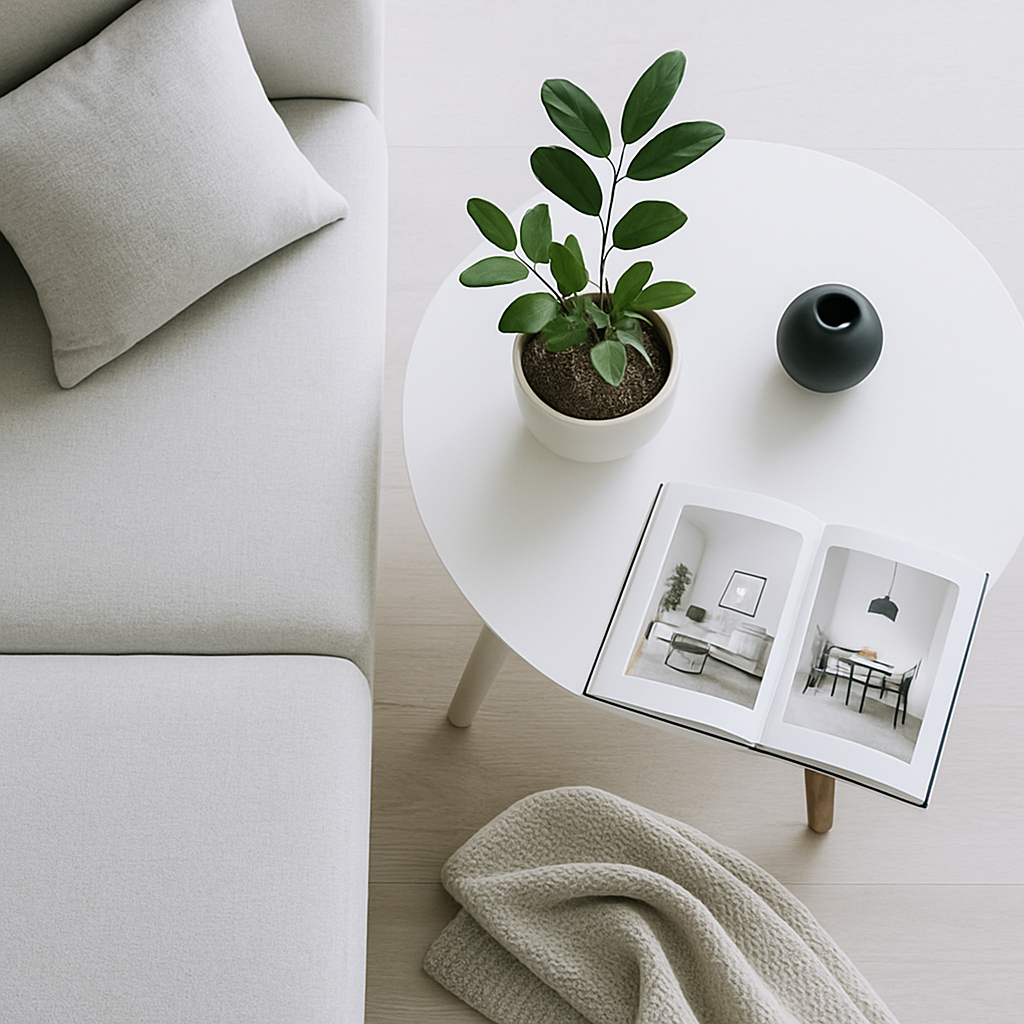
Tired of feeling cramped in your own home? You're not alone. According to the National Association of Home Builders, the average size of new American homes has decreased over recent years, prompting a shift in how we approach small space living. But small doesn't mean less. In fact, with the right interior design choices, your space can feel both expansive and cozy. This article will guide you through foundational concepts, present data-driven insights, and offer actionable strategies to transform even the smallest of spaces into a functional and stylish haven. You'll gain expert-level details and additional depth to truly make the most of your home.
Understanding the Basics of Space Maximization
First and foremost, maximizing small spaces begins with understanding how each area in your home is utilized. Experienced interior designers often recommend starting with a room-by-room analysis. Consider how you actually use each room-where you drop your keys, where you do your work, and where you relax. This mapping process not only highlights the primary functions of each space but also identifies potential areas for improvement.
Once you've mapped out your space, it's important to consider the flow. The way you move through your home can greatly impact how spacious it feels. Poor flow can make even large rooms feel cramped, while a well-designed layout can open up small spaces. Houzz, a leading platform for home remodeling and design, suggests arranging furniture to create clear pathways and minimize obstruction. This approach helps maintain a sense of openness and encourages seamless movement within the space.
Layering your lighting is another essential element in space maximization. ASID (American Society of Interior Designers) emphasizes the importance of multiple light sources. By combining ambient, task, and accent lighting, you create depth and dimension, which can make a small room feel larger and more inviting. For instance, wall sconces paired with a central pendant light and under-cabinet lighting can turn a small kitchen into a bright, welcoming space.
Next, we'll delve into data-driven strategies that provide deeper insights into optimizing small spaces effectively.
Data-Driven Design: Insights and Examples
Design decisions backed by data are often the most effective. According to a survey by Houzz, 75% of homeowners reported greater satisfaction with their homes when they incorporated multi-functional furniture. Such pieces, like ottomans with hidden storage or fold-out desks, not only save space but also enhance functionality. These solutions are particularly beneficial in urban environments where space is at a premium.
Furthermore, a separate study conducted by the ASID revealed that incorporating vertical storage solutions can increase usable space by up to 30%. Shelving units that extend to the ceiling or wall-mounted cabinets in kitchens and bathrooms are prime examples. They not only provide additional storage but also draw the eye upward, creating the illusion of a taller, more spacious room.
Color choice also plays a significant role in how space is perceived. The same ASID study noted that lighter wall colors make a room feel larger and more open. Soft whites, pale grays, and muted pastels are popular choices. However, integrating a dark accent wall can add depth and contrast, making the surrounding lighter walls feel more expansive. What's your current color palette, and how might it be adjusted to maximize your space?
Armed with these insights, the next section will focus on specific strategies you can apply to your home.
Actionable Strategies for Small Space Living
To truly maximize small spaces, it's crucial to implement strategies that blend style with practicality. One effective approach is the use of mirrors. Mirrors reflect light and give the impression of a larger space. Consider placing a large mirror opposite a window to amplify natural light, or use mirrored furniture to maintain an airy feel without sacrificing functionality.
Another strategy involves embracing biophilic design, which incorporates natural elements into your home. This trend is gaining momentum, with many interior designers using living walls, indoor plants, and natural materials to create a sense of tranquility and expansiveness. The integration of nature not only enhances aesthetics but also promotes well-being, providing a dual benefit for small spaces.
When designing small spaces, flexibility is key. Furniture that serves multiple purposes, such as a sofa bed or a fold-away dining table, can drastically alter how a room functions. Similarly, modular furniture systems allow for customization and reconfiguration as your needs change. Have you considered how multi-functional furniture might fit into your design plan?
In the following section, we'll explore expert-level details to enhance your design decisions further.
Expert-Level Details for Interior Design Enthusiasts
For those seeking to dive deeper, understanding the nuances of professional design practices can elevate your small space transformation. The NCIDQ (National Council for Interior Design Qualification) highlights the importance of proportion and scale. Choosing furniture that fits the scale of your room is essential. Oversized pieces can overwhelm a small room, while appropriately sized furniture contributes to a balanced and harmonious environment.
Smart home integration is another advanced technique to consider. Incorporating smart lighting, climate control, and automated window treatments can streamline your living space while enhancing comfort and efficiency. These technologies are particularly valuable in small homes, where every inch counts, and convenience is paramount.
Additionally, the Japandi design style-a blend of Japanese minimalism and Scandinavian warmth-offers a refined approach to small space living. Its emphasis on simplicity, functionality, and natural materials aligns perfectly with the goals of maximizing space while maintaining style. Have you explored how Japandi elements could influence your design choices?
With these expert insights in mind, let's delve into additional strategies that offer even more depth.
Additional Strategies to Enhance Your Design
Beyond foundational and expert strategies, consider incorporating unique design elements that reflect your personal style while maximizing space. One such element is the use of textiles. Layering different textures and patterns can add depth and interest to a room without cluttering it. Think about combining a plush rug with sleek, minimalist furniture to create a balanced aesthetic.
Another innovative approach is the use of AR/VR room visualization tools. These allow you to experiment with different layouts and design elements before committing to physical changes. Platforms like Architectural Digest's AD PRO network offer resources that make these technologies accessible, helping you visualize potential transformations in real-time.
Finally, consider the psychological impact of your design choices. The International Interior Design Association (IIDA) emphasizes the importance of creating spaces that not only look good but also feel good. Pay attention to how different elements make you feel and adjust accordingly. Do certain colors or layouts evoke a sense of peace or productivity?
As we wrap up, we'll bring together these insights with final perspectives on maximizing small spaces.
Final Perspectives on Small Space Design
Maximizing small spaces is an art that balances creativity with practicality. By applying data-driven insights, embracing both foundational and expert-level strategies, and exploring additional creative options, you can transform your home into a functional and stylish retreat. Remember, the key is to focus on how each design element serves your lifestyle and enhances your daily experience.
Ultimately, effective small space design requires a thoughtful approach that integrates various elements harmoniously. Consider how each strategy discussed can be tailored to meet your specific needs and preferences. And don't forget to regularly reassess your space as your needs evolve, ensuring that your home continues to serve you well.
Ready to take action? Let's conclude with a call to action that empowers you to begin your design journey.
Conclusion: Take the Next Step in Your Design Journey
In conclusion, maximizing small spaces involves a blend of strategic planning, innovative design, and personal expression. By implementing the tips and strategies discussed, you can create a home that is not only functional but also a reflection of your style and personality. Consider starting with one room, applying the techniques you've learned, and observing the transformative impact.
Your journey to a more spacious and stylish home begins with a single step. Start by browsing designer portfolios on platforms like Houzz and AD PRO to gather inspiration and refine your vision. Even dedicating 20 minutes to research can sharpen your eye for detail and help you identify what truly resonates with you.
What's the first step you'll take today? Embrace the possibilities and begin transforming your small space into a place you love.



Comments
Post a Comment