Which Interior Design Style Matches Your Personality? Find Out Now!
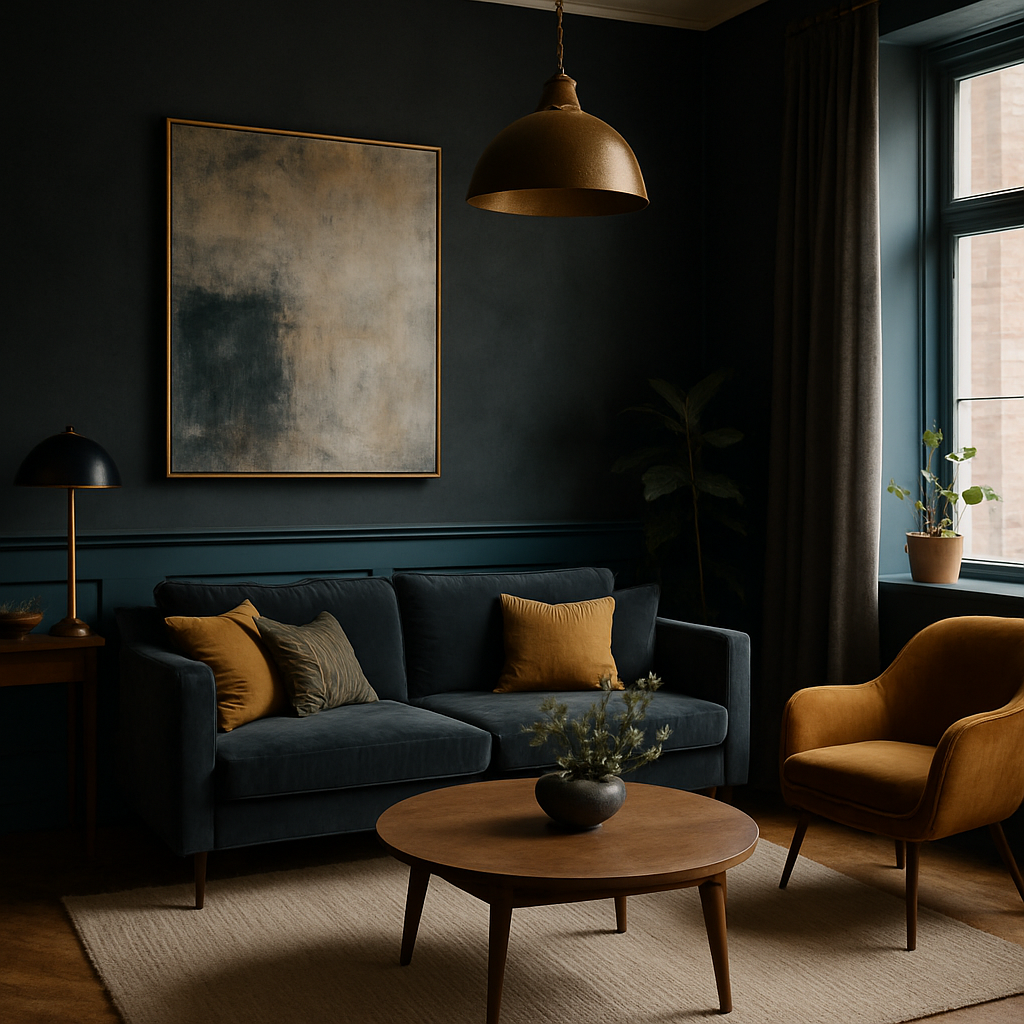
Have you ever walked into a home and instantly felt at ease, as if the space was tailor-made for you? This isn't just happenstance; it's the power of choosing an interior design style that aligns with your personality. According to the American Society of Interior Designers (ASID), 75% of homeowners feel more at home when their interiors reflect their personal tastes. But with so many styles to choose from, how do you find the one that's uniquely you? In this article, we'll explore the foundational concepts behind popular design styles, delve into data-driven insights, and provide actionable strategies to help you discover the perfect match for your personality.
Understanding Interior Design Styles
Before diving into which interior design style suits you best, it's crucial to understand the foundational concepts of different styles. Interior design can often be categorized into broad styles like contemporary, traditional, and eclectic. Each style comes with its own set of defining characteristics and can influence the mood and functionality of your space. For instance, contemporary design is known for its clean lines and minimalist approach, while traditional design often incorporates ornate details and rich textures. Meanwhile, eclectic design combines elements from various styles, creating a unique and personalized aesthetic.
The choice of style can dramatically affect how a space feels and functions. For example, someone with a penchant for simplicity and functionality might gravitate towards the Scandinavian style, which emphasizes light colors, natural wood, and minimal decor. On the other hand, a person who loves bold statements and vibrant colors might find joy in bohemian style, known for its rich patterns and eclectic mix of objects. Understanding these foundational concepts can help you pinpoint the elements that resonate with your personality.
Beyond aesthetics, interior design styles also reflect cultural influences. The Japandi style, a blend of Japanese minimalism and Scandinavian functionality, has gained popularity for its serene and balanced approach. This fusion style emphasizes simplicity, natural materials, and a connection to nature, making it a perfect choice for those who crave tranquility in their living spaces. Next, we'll dive deeper into how these styles can be quantified and what data reveals about their impact on homeowners.
The Data Behind Design Choices
So, what does the data say about interior design preferences? A recent Houzz survey found that 45% of homeowners preferred a contemporary style for its modern appeal and versatility. Meanwhile, 25% leaned towards transitional styles, which offer a balance between traditional and modern elements. This data suggests that while many people are drawn to sleek, modern designs, there is still a significant appreciation for classic styles that offer timeless elegance.
Another interesting statistic comes from the National Council for Interior Design Qualification (NCIDQ), which reports that well-designed interiors can increase a home's resale value by 5-15%. This is a crucial consideration for those looking to invest in their homes not only for personal enjoyment but also for future financial returns. Understanding how your choice of style can impact property value might influence your decision-making process, especially if resale value is a factor in your planning.
Experienced professionals often note that personality plays a significant role in style preference. For example, introverts may prefer quieter, more subdued spaces with neutral palettes and minimal clutter. Extroverts, conversely, might enjoy vibrant, dynamic environments with bold colors and eclectic furnishings. This correlation between personality traits and design preferences underscores the importance of aligning your interior style with your personal inclinations. In the next section, we'll explore actionable strategies for determining which style suits you best.
Actionable Strategies for Discovering Your Style
Now that we understand the foundational concepts and data insights, how can you determine the interior design style that matches your personality? Start by observing your daily environment and identifying what elements bring you joy. Do you find peace in minimalist spaces, or do you thrive in environments filled with color and texture? Taking note of these preferences can provide valuable clues about which style resonates with you.
Another effective strategy is to create a mood board. Platforms like Pinterest and Houzz are excellent resources for gathering visual inspiration. Compile images of rooms, furniture, and decor that catch your eye. As you review your collection, patterns will emerge, revealing the styles and elements that appeal to you most. For example, a preference for natural materials and neutral tones might indicate an affinity for the biophilic or Scandinavian style.
If you're still unsure, consider consulting with a certified interior designer. Professionals with NCIDQ or ASID credentials have the expertise to guide you through the process, offering insights that align with your personal tastes and lifestyle needs. They can also provide access to AR/VR room visualization tools, allowing you to experience different design styles in your space before making a commitment. Armed with this knowledge, let's delve deeper into expert-level details that can further refine your style choices.
Expert-Level Insights on Style Selection
When it comes to selecting an interior design style, industry experts emphasize the importance of considering both aesthetics and functionality. According to the International Interior Design Association (IIDA), the most successful designs are those that reflect the homeowner's lifestyle and daily routines. This means mapping out how you use each room - from where you drop your keys to where you unwind at the end of the day - can be instrumental in choosing a style that not only looks good but also works for you.
Experts also highlight the significance of adaptability in design. As trends evolve, having a style that allows for easy updates can keep your space feeling fresh. For instance, opting for a transitional design allows for flexibility, as it incorporates elements from both traditional and contemporary styles. This approach makes it easier to introduce new trends, such as smart home integration or sustainable materials, without a complete overhaul.
Additionally, understanding the costs associated with different styles can help you make informed decisions. Interior design projects can vary widely in price, from $5,000-$15,000 for a single room redesign to $50,000-$150,000 for comprehensive home projects. Knowing your budget and how it aligns with your chosen style can prevent overspending and ensure that your investment yields the desired aesthetic and functional outcomes. Next, we'll explore more nuanced considerations for style selection.
Delving Deeper into Style Nuances
Beyond the broad categories of interior design styles, there are nuanced elements that can influence your choice. For example, the concept of quiet luxury, which emphasizes understated elegance and high-quality materials, appeals to those who value subtle sophistication. This style often features neutral palettes, luxurious textiles, and carefully selected art pieces, creating a serene and refined atmosphere.
Biophilic design is another trend worth exploring, particularly for those who feel a strong connection to nature. This style incorporates natural materials, indoor plants, and an indoor-outdoor flow, fostering a sense of well-being and tranquility. If sustainability is a priority for you, biophilic design can be an excellent choice, as it often uses reclaimed materials and energy-efficient systems.
Finally, consider the role of technology in your design preferences. Smart home features, such as automated lighting and climate control, can enhance the functionality of any style. Whether you prefer a minimalist aesthetic or a more eclectic approach, integrating technology can provide convenience and personalization, ensuring that your space meets all your needs. As we wrap up, we'll provide final perspectives on aligning design styles with personal preferences.
Final Perspectives on Personalizing Your Space
Ultimately, the best interior design style for you is one that reflects your personality and enhances your daily life. It's about creating an environment that feels like home and supports your well-being. As you explore different styles, remember that it's okay for your preferences to evolve over time. The key is to remain open to new ideas while staying true to your core aesthetic values.
Consider the emotional impact of your chosen style. Does it bring you joy and relaxation? Does it inspire creativity or provide a sense of order? These emotional responses can be powerful indicators of whether a style aligns with your personality. By paying attention to how different styles make you feel, you can make more informed decisions about your home design.
As you embark on this journey of discovery, remember that interior design is a personal expression of who you are. It's about finding the balance between beauty and function, and creating a space that supports your lifestyle. In the conclusion, we'll summarize our key points and provide a clear call to action for readers ready to take the next step.
Conclusion: Take the Next Step in Discovering Your Style
Finding the interior design style that matches your personality is a rewarding process that involves exploration, reflection, and informed decision-making. By understanding foundational concepts, analyzing data insights, and applying actionable strategies, you can uncover the style that aligns with your personal tastes and lifestyle needs. Remember, whether you prefer the modern appeal of contemporary design or the timeless elegance of traditional styles, the most important aspect is creating a space that feels authentically you.
Ready to start your design journey? Begin by browsing portfolios on platforms like Houzz or Architectural Digest PRO. Spend just 20 minutes this week exploring different styles and saving images that resonate with you. This simple step will sharpen your eye for what you want and bring you closer to creating a home that truly reflects your personality. Embrace the process, and enjoy the transformation of your living space into a personal haven.


Comments
Post a Comment