Victorian Interior Design Trends: Blending Classic Charm with Contemporary Styles
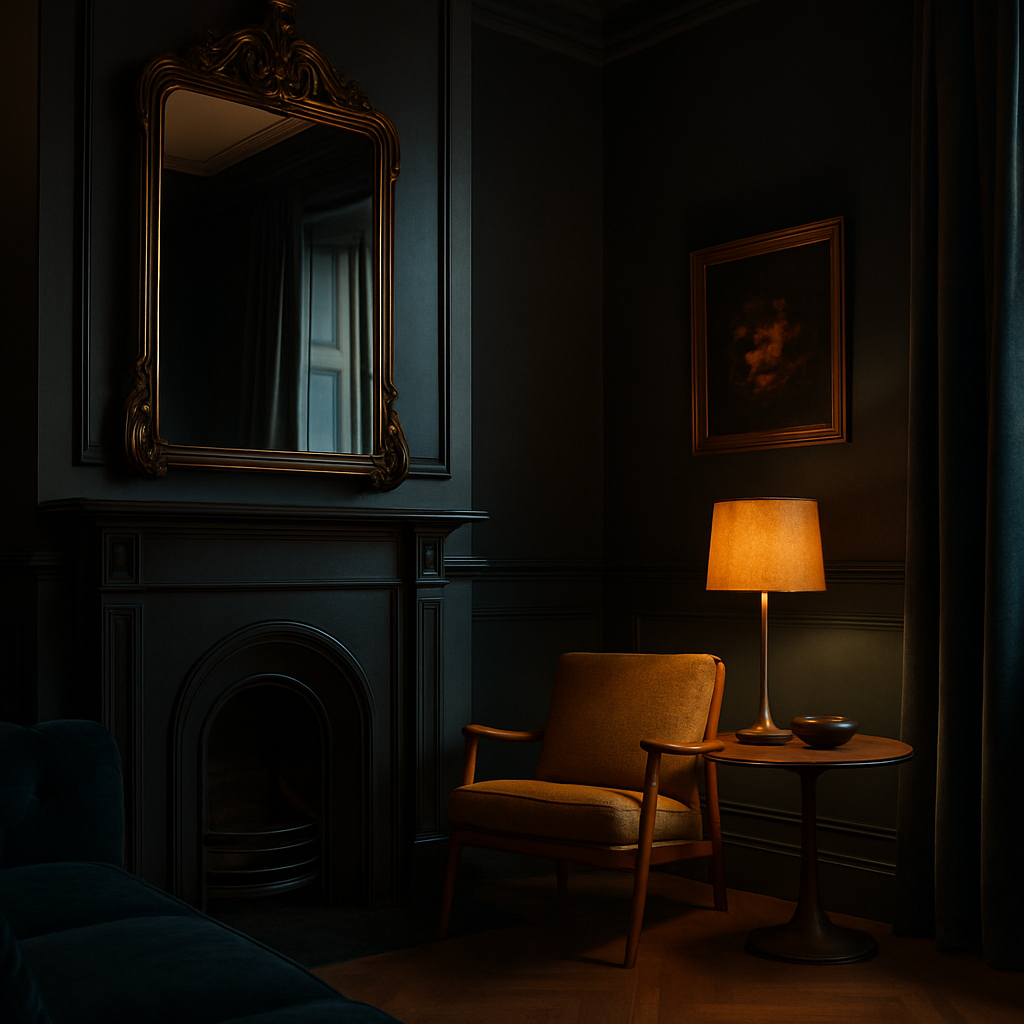
Have you ever walked into a room and felt instantly transported to a different era? Victorian interior design has that effect, with its opulent details and intricate craftsmanship. Yet, in modern homes, there's often a desire to merge this classic charm with contemporary sensibilities. This blend isn't just a trend but a sophisticated approach to creating spaces that are both timeless and relevant. In this article, we will explore how to effectively combine Victorian elements with modern design, providing a roadmap that includes foundational concepts, deeper analyses, actionable strategies, and expert insights. Whether you're a seasoned interior designer or a homeowner embarking on a renovation journey, this guide will equip you with the knowledge to infuse your home with Victorian elegance while maintaining a contemporary edge.
The Foundations of Victorian Interior Design
Victorian interior design, which flourished during Queen Victoria's reign from 1837 to 1901, is characterized by its opulence and attention to detail. This era saw the rise of intricate patterns, rich color palettes, and a multitude of textures, all of which contributed to the grandeur of Victorian interiors. Key elements included heavy draperies, ornate furniture, and decorative trims that added depth and character to spaces. These designs were not just about aesthetics; they reflected the social status and wealth of the homeowners.
To understand the appeal of Victorian design, it's essential to recognize its commitment to craftsmanship. Homes from this period often featured hand-carved woodwork, intricate tile patterns, and stained glass, all of which showcased the skills of artisans. According to the American Society of Interior Designers (ASID), the dedication to craftsmanship is one reason why Victorian elements continue to captivate homeowners today. This attention to detail is something that modern designs sometimes lack, making Victorian elements a sought-after addition in contemporary interiors.
Moreover, Victorian interiors were marked by a sense of eclecticism, as the era was one of exploration and discovery. The design aesthetic included influences from various cultures, resulting in a rich tapestry of styles and motifs. This diversity allows for a seamless integration with modern design, where eclecticism is celebrated. As we transition into how these elements can be adapted to contemporary spaces, consider how you might incorporate such craftsmanship and diversity into your own home.
Integrating Victorian Design with Modern Aesthetics
Blending Victorian interior design with modern styles involves a nuanced understanding of both aesthetics. A successful integration respects the distinct characteristics of each while creating a cohesive look. One approach is to juxtapose modern minimalist furniture against Victorian architectural elements. For instance, a sleek, low-profile sofa can be placed in a room with ornate ceiling moldings and a traditional fireplace, creating a striking visual contrast.
Data from Houzz's annual survey indicates that homeowners who incorporate historical elements into modern designs report higher satisfaction levels with their spaces. This suggests that the combination not only enhances aesthetic appeal but also increases emotional attachment. Incorporating Victorian elements such as a clawfoot bathtub or a vintage chandelier can add a touch of history and elegance to a modern bathroom or dining room.
Additionally, color schemes play a crucial role in blending these styles. Victorian interiors typically featured deep, rich colors such as burgundy, forest green, and navy blue. By incorporating these hues as accent walls or through accessories like cushions and rugs, you can maintain a modern feel while nodding to Victorian traditions. As we delve into actionable strategies, think about which elements of your current space could be enhanced with Victorian charm.
Actionable Strategies for Your Home
One of the most effective ways to integrate Victorian interior design into a modern home is through careful selection of materials. Consider using natural materials such as marble, wood, and brass, all of which were prevalent during the Victorian era. These materials not only add a touch of authenticity but also age beautifully over time. For example, a marble countertop in a contemporary kitchen can serve as a luxurious focal point, bridging the gap between old and new.
Experienced professionals often note that layering textures is key to achieving a Victorian-modern blend. Velvet, silk, and brocade were popular in Victorian interiors and can be reintroduced through modern upholstery, curtains, or throw pillows. The contrast of these rich textures against modern materials like glass and steel can create a balanced and sophisticated environment. How might you layer textures in your current décor to achieve a similar effect?
Lighting is another area where Victorian and modern styles can converge beautifully. Incorporate Victorian-inspired fixtures, such as a crystal chandelier or wall sconces, to add elegance and drama. Modern technology can enhance these fixtures with smart lighting solutions, allowing you to adjust the ambiance with ease. As we move on to expert insights, consider how lighting choices can transform your space and elevate its design.
Expert Insights and Techniques
According to the International Interior Design Association (IIDA), one of the emerging trends is the use of AR/VR tools for room visualization. These technologies allow designers and homeowners to experiment with Victorian elements in a virtual space, offering a clear preview of how different styles will mesh before making any physical changes. This method reduces the risk of design mishaps and ensures a cohesive final product.
Incorporating Victorian design into contemporary spaces also benefits from understanding the architectural context of your home. For instance, homes with high ceilings can accommodate Victorian features like tall bookcases and elaborate chandeliers. On the other hand, in more compact spaces, it might be prudent to focus on smaller Victorian accents, such as intricate doorknobs or decorative frames, to avoid overwhelming the room.
Industry professionals often emphasize the importance of balance. The National Council for Interior Design Qualification (NCIDQ) suggests that maintaining a balance between historical and modern elements is crucial. This can be achieved by ensuring a consistent color palette and using transitional pieces that tie the two styles together. As we explore additional details, think about how balance is currently reflected in your interior spaces.
Additional Depth in Victorian-Modern Design
When blending Victorian interior design with contemporary styles, attention to detail is paramount. One way to ensure cohesion is through the use of patterns. Victorian designs often featured floral and damask patterns, which can be subtly incorporated into modern spaces through wallpaper or textiles. This not only adds visual interest but also maintains a connection to the era's distinctive style.
Another layer of depth can be added through the strategic use of mirrors. In Victorian times, mirrors were often used to enhance the sense of space and add light to darker rooms. In a modern context, antique or vintage-style mirrors can be placed strategically to reflect light and create the illusion of a larger space, harmonizing with contemporary minimalism.
Finally, art and collectibles can serve as a bridge between Victorian and modern styles. Displaying Victorian-era artwork or antiques alongside contemporary pieces can create a curated, gallery-like feel. This approach not only highlights the beauty of each piece but also tells a story of design evolution. As we conclude, consider how art and collectibles might enhance your living spaces with both historical and contemporary significance.
Final Perspectives on Victorian-Modern Fusion
As you've seen, blending Victorian interior design with contemporary styles is a rewarding endeavor that combines the best of both worlds. It allows for the creation of spaces that are not only visually stunning but also rich in history and context. By carefully selecting elements that complement and contrast, you can achieve a harmonious and dynamic interior.
The journey of integrating these styles is ongoing, as new technologies and design innovations continue to emerge. Staying informed about trends, such as biophilic design and smart home integration, can further enhance your interior projects. As you explore these trends, how might they influence your approach to Victorian-modern design?
Conclusion
Incorporating Victorian interior design trends into modern homes creates a unique blend of historical charm and contemporary functionality. This approach not only enriches your living space but also enhances its value, as well-designed interiors can boost resale value by 5-15%. Now is the perfect time to start experimenting with these styles, whether you're planning a small update or a full renovation. Begin by exploring designer portfolios on platforms like Houzz, where you can gather inspiration and insights. Even a brief session of browsing can offer a wealth of ideas and sharpen your design vision. So, take that first step this week and see where the fusion of Victorian and modern styles can take your home.



Comments
Post a Comment