Unlocking the Secrets of Exclusive Interior Design Trends
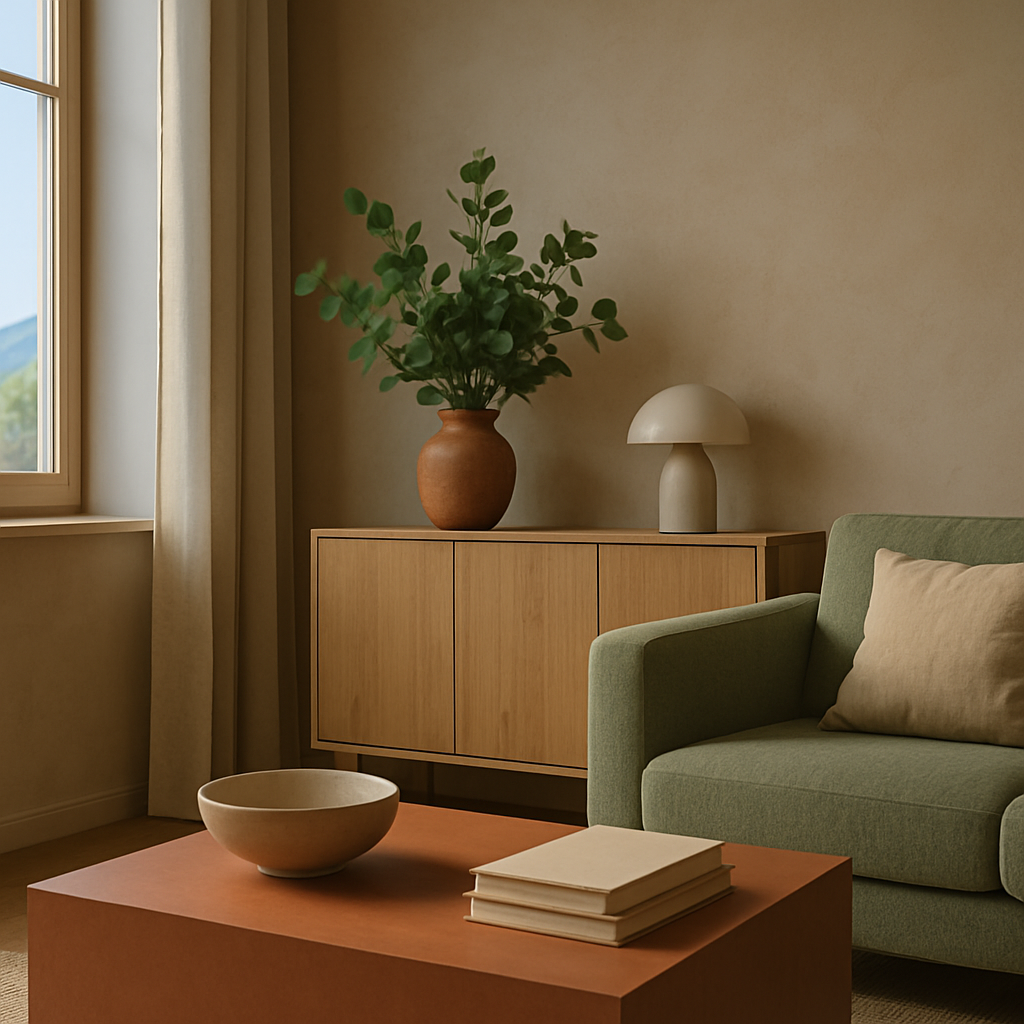
Every year brings a fresh wave of design directions that reflect shifting cultural priorities, technological advances, and evolving relationships between people and the spaces they occupy. The trends that defined 2023 were notable for their depth, moving beyond superficial color and pattern preferences to address fundamental questions about sustainability, wellness, craftsmanship, and the role of technology in domestic life. According to a comprehensive report by the International Interior Design Association (IIDA), 81% of design firms surveyed reported that clients in 2023 prioritized long-term livability over short-term visual impact, marking a significant philosophical shift from the Instagram-driven aesthetics that dominated previous years. This article examines the most influential trends that emerged and solidified throughout the year, providing context for why they resonated so powerfully and offering practical guidance for incorporating them into your own spaces. Which of these movements will endure beyond a single season, and which address needs so fundamental that they represent permanent changes in how we think about interior design?
Biophilic Design Moves from Trend to Standard Practice
Biophilic design, the systematic integration of natural elements into built environments, crossed an important threshold in 2023. What had been positioned as an emerging trend in previous years became a baseline expectation among informed clients and progressive design firms. The principle is rooted in the biophilia hypothesis articulated by biologist E.O. Wilson, which proposes that humans possess an innate need to connect with nature and that this connection directly influences psychological health, cognitive performance, and emotional wellbeing. The ASID published research in 2023 demonstrating that spaces incorporating biophilic principles showed a 15% improvement in occupant-reported satisfaction compared to conventional interiors, providing quantitative support for what many designers had long observed anecdotally.
In residential contexts, biophilic design manifests through multiple strategies that go far beyond placing a few potted plants on windowsills. Living walls, which use hydroponic systems to sustain vertical gardens of ferns, mosses, and tropical plants on interior surfaces, became increasingly accessible as installation costs declined and maintenance technology improved. Natural material palettes emphasizing stone, wood, wool, and clay replaced synthetic alternatives across all price points. Water features, from small tabletop fountains to architectural installations incorporating recirculating streams, appeared in living rooms, bathrooms, and entryways as designers recognized the calming effects of moving water sounds. Strategic fenestration and skylight placement maximized natural light penetration while managing solar heat gain.
The commercial sector embraced biophilic design even more aggressively than the residential market, driven by mounting evidence linking nature-integrated workspaces to increased productivity and reduced absenteeism. Houzz documented a 92% year-over-year increase in professional projects incorporating at least three biophilic elements, confirming the trend's commercial viability. For homeowners, the practical question became not whether to incorporate biophilic principles but how extensively and at what budget level. A modest approach might involve increasing natural light, adding indoor plants, and selecting organic materials for key surfaces, while a comprehensive implementation could include green roofs, operable courtyard walls, and whole-house ventilation systems designed to circulate fresh air from planted outdoor spaces. How much nature does your home currently contain, and what would change in your daily experience if that connection deepened substantially?
Quiet Luxury Redefines What Premium Interiors Look Like
The quiet luxury movement, which gained cultural momentum across fashion, hospitality, and residential design simultaneously, represented a deliberate rejection of the conspicuous consumption aesthetic that had dominated luxury markets for decades. Instead of logos, gilding, and overtly expensive materials deployed for maximum visual impact, quiet luxury emphasizes understated quality perceptible primarily to those who understand materiality and craftsmanship. AD PRO identified quiet luxury as the defining design philosophy of 2023, noting that high-net-worth clients increasingly requested interiors that communicated sophistication through proportion, texture, and quality rather than through recognizable brand associations or dramatic statement pieces.
In practice, quiet luxury translates to spaces where the most expensive elements are often the least visually conspicuous. A plaster wall finish applied by a specialist artisan might cost ten times more than standard paint but reads simply as a subtly luminous, perfectly smooth surface. A cashmere throw draped over a sofa arm communicates luxury through touch rather than visual signaling. Bespoke millwork, stone slabs selected individually for their veining patterns, and hardware machined from solid bronze exemplify the approach: enormous attention and budget allocated to the quality of fundamental elements rather than to decorative additions. The NCIDQ notes that designing in this register requires deep material knowledge, because the success of the approach depends entirely on the intrinsic quality of each component rather than on compositional drama.
Quiet luxury also influenced color palettes, pushing the market toward complex, layered neutrals that reward sustained attention. Rather than flat whites or simple grays, designers specified colors with subtle undertones that shift character depending on light conditions, time of day, and the colors of adjacent surfaces. A wall might read as warm gray in morning light, faintly blue at midday, and softly lavender at dusk, creating a dynamic visual experience from a single paint color. Professional designers applying quiet luxury principles typically work at the upper end of the fee spectrum, charging $300 to $500 per hour for the level of material research, artisan coordination, and detail management the style demands. The investment produces interiors that age gracefully and resist trend obsolescence, making them potentially more cost-effective over decades despite their higher upfront costs.
Smart Home Integration Becomes Invisible
Home automation technology has existed for decades, but 2023 marked the year when integration became truly invisible, with systems designed to disappear into the architecture rather than announce their presence through visible devices, touchscreens, and control panels. The IIDA published guidelines specifically addressing the aesthetic integration of smart home technology, recognizing that poorly implemented automation detracts from design quality regardless of how advanced the underlying systems may be. The goal shifted from demonstrating technological capability to providing seamless functionality that occupants experience without conscious awareness, rooms that adjust temperature, lighting, and acoustics automatically based on occupancy, time of day, and programmed preferences.
Lighting control saw perhaps the most dramatic evolution. Tunable white systems that adjust color temperature from energizing daylight tones in the morning to warm, melatonin-friendly amber in the evening became standard in professionally designed homes. These systems, integrated into architectural coves, recessed fixtures, and furniture-mounted linear LEDs, replaced the visible smart bulbs and smartphone-dependent controls that characterized earlier smart home implementations. Motorized window treatments activated by light sensors eliminated the need for manual adjustment while optimizing natural light penetration throughout the day. Voice control, enabled by concealed microphone arrays rather than countertop smart speakers, provided hands-free operation without introducing another electronic device into carefully composed interiors.
Security, climate control, and energy management systems converged into unified platforms that communicate with each other and learn occupant patterns over time. AR and VR visualization tools, once confined to design studios, became client-facing presentation tools that allowed homeowners to experience proposed automation scenarios before committing to installation. The average professionally installed smart home system in 2023 ranged from $15,000 for a basic lighting and climate package to $150,000 for a comprehensive installation covering every room and subsystem. Regardless of budget level, the design principle remained consistent: technology should enhance the experience of a space without ever becoming the visual focus. Does your current relationship with technology in the home feel empowering or intrusive, and how might invisible integration change that dynamic?
Sustainable Materials and Circular Design Principles
Sustainability evolved from a niche concern to a mainstream design requirement in 2023, with clients across all budget levels expecting transparency about the environmental impact of their material selections. The ASID launched its updated sustainability guidelines, establishing clear benchmarks for material sourcing, manufacturing impact, and end-of-life recyclability that professional designers could reference when specifying products. Circular design principles, which consider the entire lifecycle of materials from extraction through manufacturing, use, and eventual disposal or recycling, entered the vocabulary of residential design after years of development in industrial and product design contexts.
Concrete manifestations of this shift appeared across every material category. Reclaimed wood, salvaged from demolished buildings, old ships, and retired agricultural structures, commanded premium prices as clients valued both its environmental credentials and its aesthetic character. Low-VOC and zero-VOC paints, adhesives, and finishes became default specifications rather than optional upgrades, driven by growing awareness of indoor air quality's impact on respiratory health and cognitive function. Recycled glass countertops, bio-based composites made from agricultural waste, and flooring manufactured from rapidly renewable resources like bamboo and cork gained market share against virgin material alternatives. The NCIDQ updated its examination content to reflect the growing importance of sustainable specification knowledge in professional practice.
The economic dimension of sustainable design generated productive tension as clients balanced environmental values against budget constraints. Many sustainable materials carry higher upfront costs but offer superior durability that reduces lifetime expenditure. A solid hardwood floor might cost 40% more than engineered alternatives at installation but last three to five times longer with proper maintenance, making it the more economical choice over a 30-year ownership horizon. Designers who could articulate this total-cost-of-ownership argument effectively found clients more receptive to sustainable specifications. Houzz reported that 68% of homeowners completing renovations in 2023 specified at least one sustainable material, up from 43% in 2020, confirming the trend's momentum beyond the high-end market segment where it originated.
Curved Forms and Organic Geometry Challenge Angular Dominance
The angular, rectilinear forms that had dominated furniture and architectural design for years faced a significant challenge in 2023 as curved, organic shapes gained ground across every product category. Rounded sofas, arched doorways, circular dining tables, and serpentine shelving units appeared with increasing frequency in both designer showrooms and mass-market retailers, reflecting a collective appetite for softer visual environments. AD PRO traced this shift to multiple cultural influences: the biophilic design movement's emphasis on natural forms, a post-pandemic desire for comfort and psychological safety, and the influence of social media platforms where curved furniture photographs exceptionally well due to the way it creates visual flow in images.
Architecturally, the curved forms trend manifested in arched niches, rounded plaster corners, and barrel-vaulted ceilings that replaced the sharp, angular details of previous years. These interventions required skilled craftsmanship, plaster work with compound curves demands artisans rather than standard drywall contractors, which aligned with the broader movement toward valuing craft and materiality over mass production. The cost implications were significant: curved architectural elements typically added 20-40% to construction budgets compared to their rectilinear equivalents, but clients increasingly accepted this premium for the distinctive character and softened atmosphere the forms provided.
Furniture designers drew inspiration from mid-century precedents, particularly the organic shapes pioneered by designers like Vladimir Kagan and Pierre Paulin, while updating materials and proportions for contemporary use. A Kagan-inspired serpentine sofa might be reinterpreted in performance velvet with integrated USB charging ports, bridging decades of design evolution in a single piece. The IIDA observed that the curved forms trend was not merely aesthetic but ergonomic, noting that furniture designed around natural human postures tends toward curves rather than right angles. Chairs that cradle rather than corner the body, tables whose rounded edges eliminate the bruised-hip hazard of sharp corners in tight spaces, and sofas whose curved profiles encourage conversational seating arrangements all demonstrated that the trend served functional as well as visual purposes. How might replacing one angular piece in your home with a curved alternative change the feel of the room?
Warm Maximalism Reclaims Personality in Design
After years of minimalist dominance in design media, 2023 witnessed a robust counter-movement that celebrated color, pattern, and decorative richness as legitimate expressions of personal identity rather than symptoms of design illiteracy. Warm maximalism, distinguished from its predecessor by an emphasis on curated abundance rather than indiscriminate accumulation, invited homeowners to fill their spaces with objects that carry personal meaning, cultural significance, or pure aesthetic joy. The ASID documented a 28% increase in clients requesting "more color and pattern" compared to previous consultation data, suggesting that the minimalist pendulum had reached its farthest point and was swinging back toward a more expressive center.
Color served as the primary vehicle for this reclamation of personality. Deep, saturated wall colors, including forest greens, midnight blues, terracotta reds, and warm aubergine purples, replaced the ubiquitous whites and light grays of the minimalist years. These colors were deployed not as single accent walls but across entire rooms, creating immersive tonal environments that enveloped occupants in richness. Pattern mixing, long considered a high-risk design move, was rehabilitated through contemporary applications that maintained harmony through consistent color relationships even as motifs varied wildly from surface to surface. A room might combine a geometric rug, a floral upholstery fabric, and a striped wallpaper border, unified by a shared palette of burgundy, gold, and green.
The IIDA's trend forecast connected warm maximalism to broader cultural shifts including the reclamation of domestic space as a primary venue for self-expression following the pandemic-era reevaluation of home life. When your home becomes your office, your gym, your social venue, and your sanctuary, the motivation to make it visually rich and personally meaningful intensifies. Houzz reported that rooms identified as "maximalist" received 3.4 times more engagement than minimalist equivalents on their platform, indicating strong emotional resonance even among viewers who might not adopt the style themselves. For homeowners considering this direction, the professional advice is consistent: maximalism requires a confident eye and a willingness to edit continually, adding and removing objects as the collection evolves rather than filling a room once and considering it complete. The result, when done well, is a home that feels abundant, storied, and unmistakably yours.
Conclusion
The design trends that defined 2023 shared a common thread: a movement away from generic, surface-level aesthetics toward deeper engagement with materiality, sustainability, technology, and personal expression. Biophilic design connected interiors to the natural world. Quiet luxury elevated intrinsic quality over visible expense. Smart home integration achieved the invisibility that technology always promises but rarely delivers. Sustainable materials addressed environmental responsibility without sacrificing design quality. Curved forms softened rigid geometries. Warm maximalism restored individuality to spaces that had been bleached of personality by years of minimalist orthodoxy.
As you consider which of these trends resonate with your own design aspirations, remember that the most enduring interiors are never built on trends alone. They combine current insights with timeless principles of proportion, light, material quality, and functional intelligence. Consult the resources published by organizations like ASID, IIDA, and NCIDQ to ground your decisions in professional knowledge, and consider engaging a qualified designer whose expertise can transform trend awareness into lasting spatial quality. The homes that will still feel relevant a decade from now are those being designed today with both current sensibility and long-term vision, and the trends of today have provided a remarkably rich foundation for that balance.



Comments
Post a Comment