Unlocking Frida Ramstedt's Interior Design Handbook: Essential Tips for Every Home
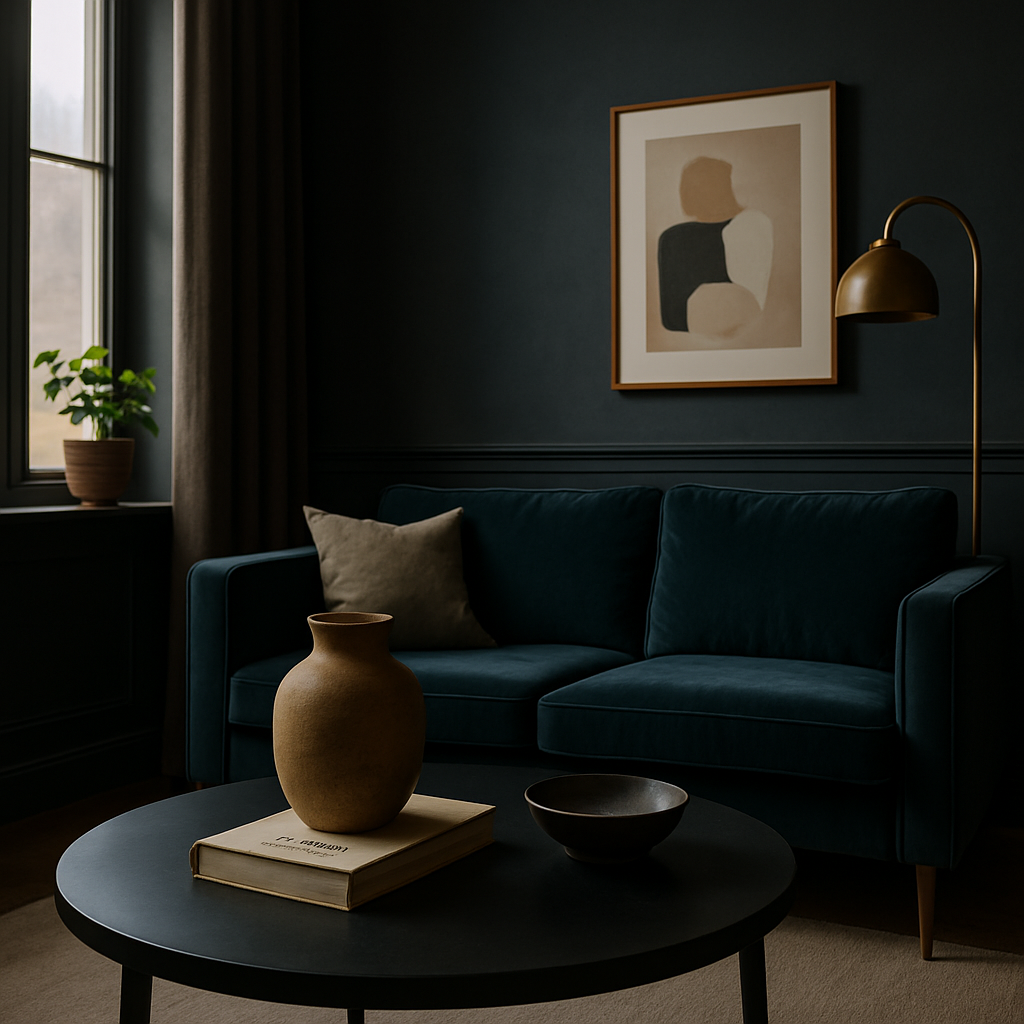
Have you ever stood in your living room, feeling overwhelmed by the sheer number of design possibilities? You're not alone. According to a survey by Houzz, a whopping 69% of homeowners find it challenging to articulate their design style. Enter Frida Ramstedt's Interior Design Handbook, a treasure trove of design wisdom that simplifies the complex world of interior design. This article distills the core principles from Ramstedt's guide, offering you foundational concepts, a deeper analysis with data, actionable strategies, expert-level detail, and additional depth. Ready to transform your space? Let's dive in.
Foundational Concepts: Understanding Frida Ramstedt's Approach
Frida Ramstedt's Interior Design Handbook emphasizes the importance of **functionality** and **personalization** in every design project. She argues that a well-thought-out space should not only be aesthetically pleasing but also serve the practical needs of its inhabitants. This echoes the sentiment of the American Society of Interior Designers (ASID), which stresses that effective design should enhance how people live, work, and play in their environments. Ramstedt's approach focuses on understanding the daily habits and routines of those who use the space, allowing for a design that truly fits their lifestyle.
Moreover, the handbook underscores the use of **natural materials** and **sustainable practices**, aligning with the growing trend of biophilic design. By integrating elements like wood, stone, and plants, homeowners can create spaces that not only look beautiful but also promote well-being. This concept is backed by the International Interior Design Association (IIDA), which highlights the positive impact of natural elements on mental health and productivity. Are you considering how to incorporate these elements into your home?
Ramstedt also introduces the idea of **timelessness** in design. Rather than chasing fleeting trends, she advises focusing on classic elements that endure. This philosophy is particularly valuable in today's fast-paced world, where design trends can change at lightning speed. By prioritizing longevity, homeowners can create spaces that remain stylish and functional for years to come. As we transition to the next section, consider how these foundational concepts could reshape your understanding of your own space.
Deeper Analysis: Data-Driven Design Decisions
When it comes to design, numbers can tell powerful stories. According to the National Council for Interior Design Qualification (NCIDQ), well-designed interiors can increase a property's resale value by 5-15%. This statistic underscores the tangible benefits of investing in quality design. Frida Ramstedt's handbook leverages data like this to emphasize the financial advantages of thoughtful interior design. Are you making design decisions with potential future sales in mind?
Furthermore, Houzz's annual survey data reveals that 78% of homeowners are satisfied with their design projects when they've involved professional interior designers. This satisfaction stems from the expert guidance provided, which can prevent costly mistakes. By understanding these statistics, homeowners can make informed decisions about whether to enlist professional help or tackle a project themselves. Ramstedt's handbook provides a middle ground, offering professional-level advice for DIY enthusiasts wanting to achieve a polished look.
Another significant data point from the ASID suggests that integrating **smart home technology** into design can significantly enhance functionality. For instance, automated lighting and climate control systems not only provide convenience but also contribute to energy efficiency. Ramstedt's handbook incorporates these tech-savvy solutions, providing a comprehensive guide on how technology can be seamlessly woven into traditional design elements. This blend of past and future sets the stage for our next section on actionable strategies.
Actionable Strategies: Bringing Ideas to Life
Frida Ramstedt's handbook isn't just about theory; it's a toolkit for action. To start, Ramstedt suggests conducting a **room-by-room audit** to identify how each space is currently used. This involves mapping out daily routines, such as where you drop your keys, where the family gathers, or where you unwind at day's end. This pragmatic approach ensures that design solutions are tailored to your specific lifestyle needs.
Next, Ramstedt advocates for the **layering of textures** to add depth and interest to a space. This can be achieved by combining different materials like wood, metal, and fabric. For instance, a velvet sofa paired with a reclaimed wood coffee table and metallic accents can create a visually captivating setting. Experienced professionals often note that this layering technique not only enhances aesthetic appeal but also contributes to a cozy, inviting atmosphere.
Another actionable tip from the handbook is the strategic use of **color**. Ramstedt recommends choosing a primary color palette and then incorporating accent hues through accessories like cushions, rugs, and artwork. This method allows for easy updates with minimal cost should your tastes change over time. As we explore expert-level details in the next section, think about how these strategies might be implemented in your own home.
Expert-Level Detail: Advanced Techniques
For those seeking to elevate their design game, Frida Ramstedt's handbook delves into advanced techniques such as **spatial planning**. This involves maximizing the utility of a room by considering furniture placement, traffic flow, and focal points. According to Architectural Digest's AD PRO network, effective spatial planning can significantly enhance both the functionality and aesthetic appeal of a space, making it a crucial step in any design process.
Ramstedt also explores the concept of **quiet luxury**, which emphasizes understated elegance and high-quality materials. This trend focuses on creating spaces that exude sophistication through subtle details rather than flashy elements. For example, a room might feature a neutral color palette with luxurious textures like cashmere and silk, paired with bespoke furniture pieces. This style resonates with the current trend towards minimalism and intentionality in design.
Finally, Ramstedt highlights the importance of **sustainable and reclaimed materials** in modern design. By choosing eco-friendly options, homeowners can reduce their carbon footprint while also enjoying unique and character-rich interiors. This aligns with the broader industry movement towards sustainability, as evidenced by the increasing availability of reclaimed wood flooring and recycled glass countertops. As we move to additional depth, consider how these expert techniques could further enhance your design efforts.
Additional Depth: Integrating Technology and Trends
Frida Ramstedt's handbook addresses the integration of **AR/VR room visualization tools** in the design process, a cutting-edge trend in the industry. These tools allow homeowners to visualize potential designs in a realistic, immersive way before committing to changes. This technology provides a significant advantage by eliminating guesswork and ensuring that the final outcome aligns with the homeowner's vision.
Another trend Ramstedt explores is **Japandi**, a fusion of Japanese minimalism and Scandinavian warmth. This style combines the clean lines and simplicity of Japanese design with the cozy textures and functionality of Scandinavian interiors. It's a perfect blend for those looking to create serene, yet welcoming environments. Ramstedt provides guidance on how to achieve this look with specific furniture and decor choices.
Lastly, the handbook emphasizes the importance of **ongoing education** in design. Staying informed about new materials, technologies, and trends is crucial for maintaining a fresh and relevant home environment. Platforms like Instagram and Pinterest are excellent resources for inspiration and keeping up with the latest in design aesthetics. As we conclude, think about how these additional insights can keep your home on the cutting edge of style and functionality.
Final Perspectives: The Ever-Evolving Nature of Design
Frida Ramstedt's Interior Design Handbook serves as a reminder that design is a dynamic, ever-evolving field. What works today might not resonate tomorrow, and that's perfectly fine. The key takeaway is to remain adaptable and open to change, allowing your home to evolve alongside you. This mindset not only ensures a stylish environment but also fosters a space that truly reflects your personal growth.
Moreover, Ramstedt emphasizes the value of **personal expression** in design. While trends provide a framework, the most successful interiors are those that tell the story of their inhabitants. By incorporating elements that hold personal significance, whether it's a vintage piece of furniture or artwork collected from travels, your home becomes a unique reflection of your personality and experiences.
As you consider these final perspectives, ask yourself: How can you infuse more of your personal story into your space? With the insights from Ramstedt's handbook, you're well-equipped to embark on a design journey that's both rewarding and reflective of who you are. In our conclusion, we'll distill these insights into a clear action plan for your next steps.
Conclusion: Transform Your Home with Frida Ramstedt's Guidance
In summary, Frida Ramstedt's Interior Design Handbook offers an invaluable resource for anyone looking to elevate their home. From foundational concepts to advanced techniques, Ramstedt provides a comprehensive guide to creating spaces that are both functional and beautiful. By integrating data-driven insights, actionable strategies, and expert-level details, this handbook equips you with the tools needed to transform your home.
Your next step? Start by browsing designer portfolios on platforms like Houzz and Instagram. Even dedicating just 20 minutes a week to research can sharpen your eye for design and inspire new ideas. Remember, the journey to a well-designed home is ongoing, and with Ramstedt's insights, you're well on your way to achieving a space that truly reflects your lifestyle and aspirations.

Comments
Post a Comment