Unlock Your Home's Potential with Frida Ramstedt's Interior Design Handbook
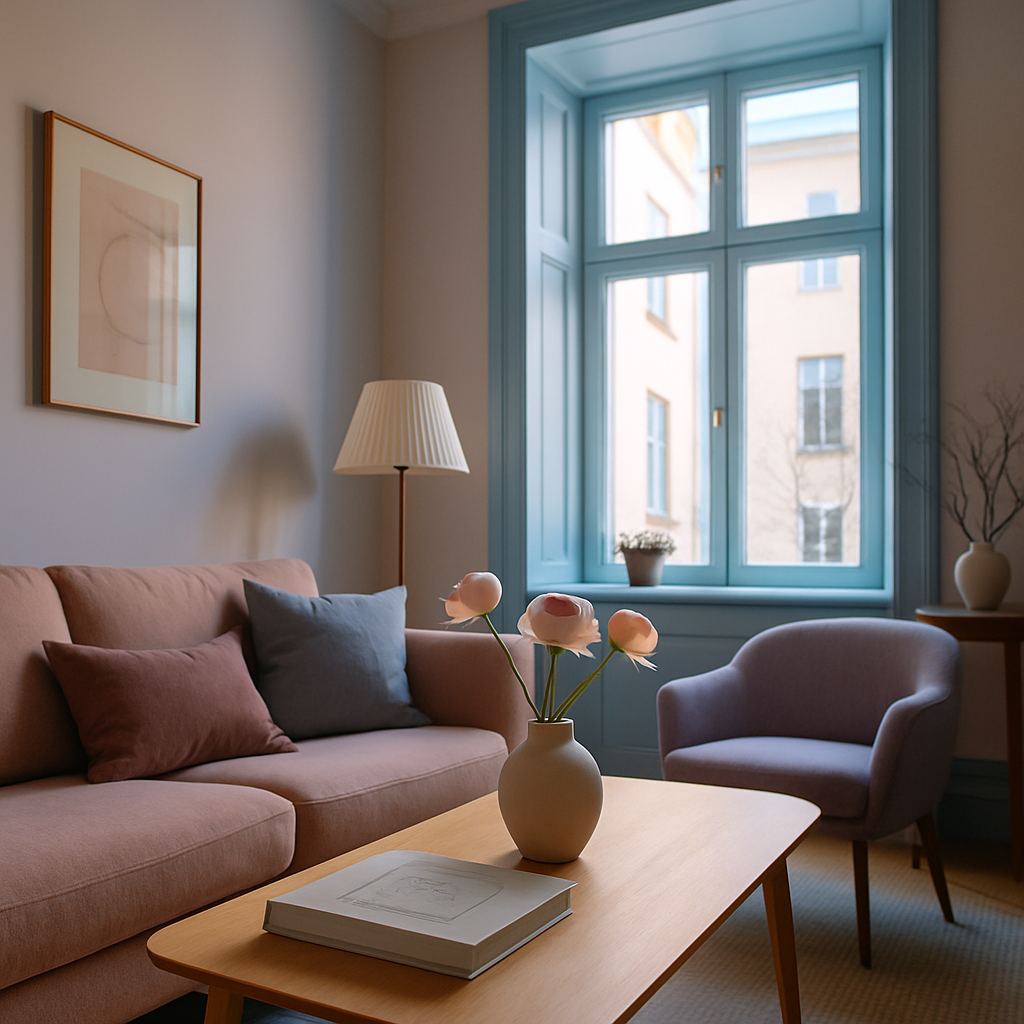
Have you ever walked into a room and felt an immediate sense of calm, as if every piece of furniture was exactly where it belonged? According to a survey by Houzz, 75% of homeowners believe that a well-designed interior boosts their overall happiness at home. Frida Ramstedt's "Interior Design Handbook" offers a roadmap to creating such harmonious spaces. This comprehensive guide delves into the art and science of interior design, providing readers with the tools they need to transform their homes. In this article, we'll explore the foundational concepts Ramstedt introduces, analyze her expert insights, and equip you with actionable strategies to apply her principles to your own space.
Understanding Foundational Concepts in Interior Design
Frida Ramstedt begins her "Interior Design Handbook" by demystifying the core principles of interior design. She emphasizes the importance of understanding the basic elements such as scale, proportion, and balance. These elements form the bedrock of any successful interior design project. For instance, Ramstedt explains that the scale of furniture should complement the size of the room. A large sectional in a small living room can overwhelm the space, while a tiny sofa in a grand room might feel lost. By getting the scale right, you ensure that each piece of furniture feels like a natural extension of the room.
Another key concept Ramstedt covers is the use of color and texture to create depth and interest. She advises using a cohesive color palette to unify the space and introduce texture through textiles, wood, and other materials. This approach not only enhances visual appeal but also adds tactile richness. Imagine a living room with a plush velvet sofa, a woven jute rug, and wooden accents. The combination of these textures creates a layered look that invites you to touch and explore.
Ramstedt also highlights the significance of lighting in interior design. Proper lighting can transform a space, creating mood and ambiance. She suggests layering different types of lighting-ambient, task, and accent-to achieve a well-lit room that serves multiple purposes. For example, a combination of ceiling lights, floor lamps, and table lamps can provide both functional and decorative illumination. As you delve deeper into her handbook, you'll find that these foundational concepts are pivotal to creating a home that feels both cohesive and inviting.
Analyzing Frida Ramstedt's Design Philosophy
Frida Ramstedt's approach to interior design is rooted in simplicity and functionality. According to the American Society of Interior Designers (ASID), 85% of successful design projects prioritize functionality without sacrificing style. Ramstedt advocates for a minimalist aesthetic, where every item has a purpose and contributes to the overall harmony of the space. She believes that clutter-free environments not only look better but also enhance mental clarity and well-being.
One of the standout aspects of Ramstedt's philosophy is her emphasis on sustainability. She encourages the use of sustainable and reclaimed materials, aligning with the growing trend towards environmentally conscious design. This approach not only reduces waste but also imbues spaces with a sense of history and character. Imagine a dining table crafted from reclaimed wood-each scratch and mark tells a story, adding depth to your home.
Ramstedt also addresses the psychological impact of design choices. She discusses how certain colors can evoke specific emotions and how the arrangement of furniture can influence social interaction. For instance, a room designed for relaxation might feature cool blues and greens, while a space intended for socializing could incorporate warmer tones like reds and oranges. Understanding these psychological nuances enables you to create environments that truly resonate with their intended purpose. As we move to the next section, consider how these insights might apply to your own design projects.
Actionable Strategies for Your Home
Applying the principles from Frida Ramstedt's "Interior Design Handbook" requires a strategic approach. Start by assessing your current space and identifying areas that feel out of balance. Are there rooms that seem cluttered or disjointed? Take the time to declutter and reorganize, focusing on creating open, breathable spaces. This initial step can dramatically alter the feel of your home, setting the stage for more detailed design work.
Next, consider the color scheme of your rooms. Ramstedt suggests choosing a neutral base and adding pops of color through accessories and art. This not only allows for flexibility but also makes it easier to refresh the space as trends change. For example, a neutral grey living room can be brought to life with vibrant throw pillows and a bold piece of artwork. What colors make you feel most at home? Use them strategically to create a personalized atmosphere.
Another actionable strategy is to invest in quality lighting. As Ramstedt notes, lighting is crucial in setting the mood of a room. Consider installing dimmer switches to adjust the brightness according to the time of day and the room's function. Additionally, explore smart home integration for lighting, which can offer convenience and energy efficiency. Imagine controlling your entire home's lighting from your smartphone-this modern innovation can enhance both the functionality and ambiance of your space. Transitioning to expert-level details, we delve deeper into the nuances of design choices.
Expert-Level Insights: Elevating Your Design
Experienced professionals often note that true mastery of interior design lies in the details. Frida Ramstedt emphasizes the importance of understanding the role of furniture placement in creating flow and functionality. She advises arranging furniture to facilitate movement and conversation. For instance, in a living room, seating should be arranged to encourage interaction. This might mean positioning chairs and sofas to face each other rather than the TV, fostering a more engaging environment.
Ramstedt also underscores the value of incorporating biophilic design elements, a 2026 trend that integrates natural materials and indoor-outdoor flow. According to Architectural Digest, biophilic design can increase well-being and productivity by bringing elements of nature into the home. Consider introducing indoor plants, natural wood finishes, and large windows that connect interior spaces with the outside world. How might these elements transform your rooms?
Additionally, Ramstedt discusses the importance of personal expression in design. While following principles and trends is essential, your home should ultimately reflect who you are. She encourages the inclusion of personal artifacts, artworks, and collections that tell your story. This personal touch not only adds character but also creates a space that feels uniquely yours. As we explore further, we'll delve into additional expert details that can refine your design approach.
Diving Deeper: Advanced Design Techniques
For those ready to take their design skills to the next level, Frida Ramstedt's handbook offers advanced techniques that can refine your approach. One such technique is the strategic use of mirrors to enhance natural light and create the illusion of space. By placing mirrors opposite windows, you can maximize sunlight, making rooms feel brighter and more expansive. This technique is particularly useful in smaller apartments or rooms with limited natural light.
Another advanced strategy involves the thoughtful layering of textiles. Ramstedt suggests using a mix of materials-such as linen, wool, and silk-to add depth and interest. Layering different textures can make a room feel more dynamic and inviting. Picture a bedroom with a soft wool blanket draped over a crisp linen duvet-this combination creates a tactile richness that invites relaxation.
Ramstedt also explores the use of technology in design, highlighting tools like AR/VR room visualization. These tools allow homeowners to experiment with different layouts and designs before making any physical changes. Imagine walking through a virtual model of your reimagined living room. Such technology can significantly reduce decision-making anxiety, ensuring that you are confident in your design choices. In our final section, we'll wrap up with overarching perspectives on implementing Ramstedt's insights.
Final Perspectives on Unlocking Your Home's Potential
Frida Ramstedt's "Interior Design Handbook" is more than just a guide-it's a comprehensive resource for anyone looking to elevate their home's aesthetic and functionality. By applying her foundational concepts, embracing her design philosophy, and implementing her actionable strategies, you can unlock the full potential of your living spaces. Have you considered how these insights might transform your home?
As you embark on your design journey, remember that the key to success lies in balancing form and function. By integrating Ramstedt's expert insights and allowing your personal style to shine through, you create a home that is not only beautiful but also deeply personal. Reflect on what truly resonates with you and let that guide your design decisions. As we conclude, consider taking the next step towards transforming your space.
Conclusion: Start Your Design Journey Today
Frida Ramstedt's "Interior Design Handbook" offers a treasure trove of insights that can transform any home into a well-designed sanctuary. By understanding foundational concepts, analyzing expert philosophies, and applying practical strategies, you can create spaces that are both functional and beautiful. Now is the time to start your design journey. Begin by browsing portfolios on platforms like Houzz and Instagram this week. Even 20 minutes of research can sharpen your eye for what you want. Embrace the journey of making your home a reflection of your unique taste and lifestyle.


Comments
Post a Comment