Revolutionize Your Space: How ChatGPT is Transforming Interior Design Trends
Revolutionize Your Space: How ChatGPT is Transforming Interior Design Trends
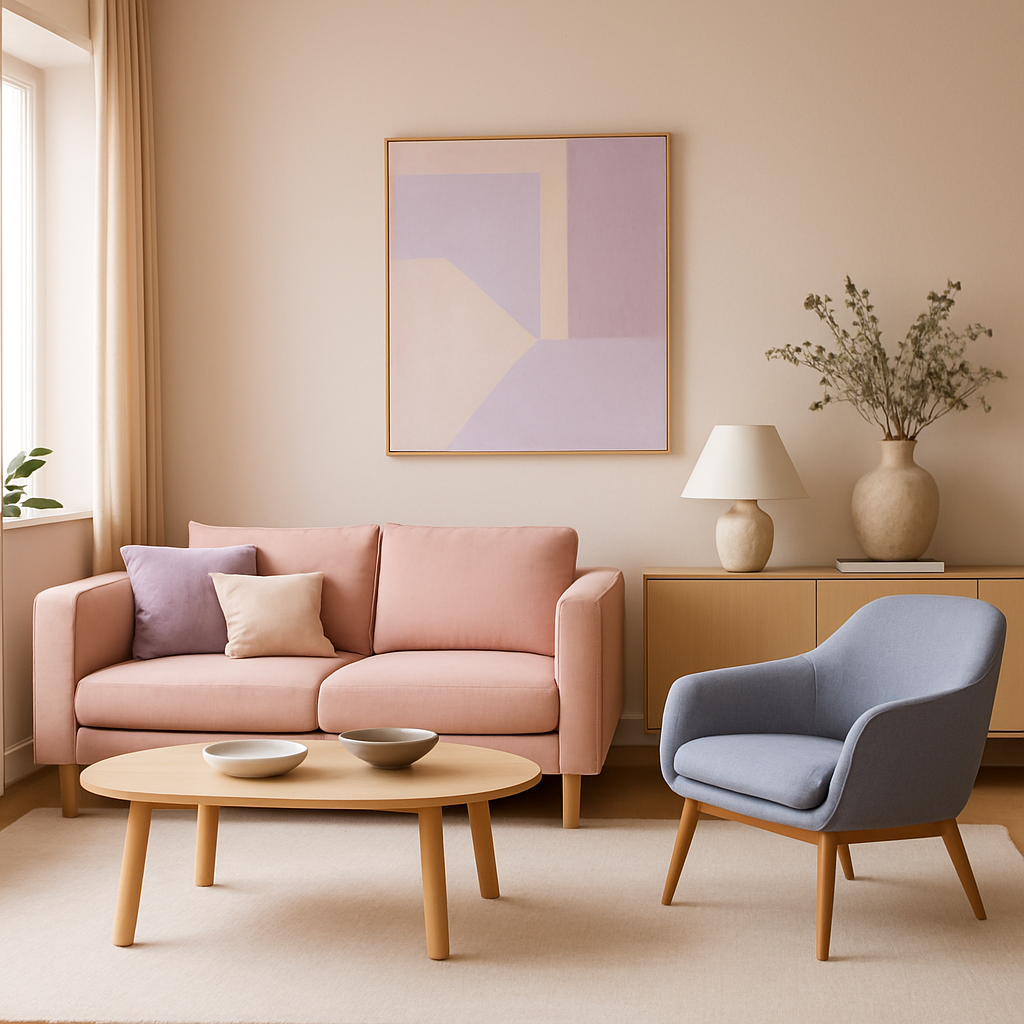
Imagine walking into a room that feels as if it was designed just for you, where every piece of furniture, color, and texture perfectly aligns with your taste and lifestyle. This is no longer a distant dream but a reality thanks to the convergence of technology and design. With the advent of AI-driven tools like ChatGPT, the interior design landscape is undergoing a significant transformation. This article explores how ChatGPT is influencing trends, offering deeper insights, and providing actionable strategies for both designers and homeowners alike. From foundational concepts to expert-level details, we'll guide you through the evolving world of AI in interior design.
Understanding the Role of AI in Interior Design
The integration of AI into interior design has opened up a new frontier for creativity and customization. At its core, AI technology, such as OpenAI's ChatGPT, serves as a powerful tool for generating design ideas tailored to individual preferences. By analyzing user inputs and drawing from vast databases of design knowledge, AI can suggest layouts, color schemes, and furniture arrangements that resonate with personal styles. For example, ChatGPT can assimilate your affinity for mid-century modern aesthetics with your love for sustainable materials, creating a harmonious blend that feels uniquely yours.
Moreover, AI's ability to process and learn from vast amounts of data allows it to predict emerging trends, such as the rise of biophilic design and Japandi style, by analyzing patterns in social media and design magazines. According to Houzz's annual survey data, there's been a noticeable increase in the incorporation of natural materials and minimalist aesthetics, trends that AI can help you explore and integrate seamlessly into your living spaces.
With AI's predictive capabilities, designers can stay ahead of the curve, offering clients innovative solutions that are not only trendsetting but also personalized. This shift towards data-driven design means that spaces can now be crafted with a level of precision and foresight previously unattainable. As we delve deeper into this topic, consider how these AI-driven insights might influence your next design project. Could AI help you discover a style you never knew you loved?
How AI is Enhancing Design Precision and Personalization
AI's contribution to interior design extends beyond mere trend prediction. It enhances precision and personalization, key elements in creating spaces that truly reflect the occupants' personalities and needs. Through machine learning, ChatGPT can analyze user data to refine design suggestions. This means that each recommendation becomes more tailored as the AI gains insights into your preferences, leading to design solutions that are both functional and aesthetically pleasing.
For instance, AI can assist in creating mood boards that capture your envisioned space's essence by pulling images and design ideas from platforms like Instagram and Pinterest. According to the American Society of Interior Designers (ASID), leveraging AI tools can reduce project timelines by up to 20%, as designers can quickly iterate on ideas and receive instant feedback. This efficiency not only benefits professional designers but also empowers homeowners undertaking DIY projects.
Furthermore, AI's integration into augmented reality (AR) and virtual reality (VR) applications allows users to visualize design changes in real-time. Imagine walking through a virtual rendition of your living room, experimenting with different layouts or color palettes, before committing to any physical changes. This technology-driven approach ensures that design decisions lead to satisfactory outcomes, minimizing the risk of costly mistakes. Are you ready to explore how AI could refine your design vision?
Actionable Strategies for Leveraging AI in Your Projects
To harness the full potential of AI in your interior design projects, start by utilizing AI-driven platforms that offer comprehensive design analytics. Tools like Planner 5D and Roomstyler leverage AI to provide detailed floor plans and 3D models, allowing you to experiment with different design elements virtually. These platforms often include AI chatbots that can assist in refining your ideas based on your feedback.
Consider employing AI for trend forecasting in your designs. By analyzing market data and social media trends, AI can guide you towards design elements that will keep your spaces contemporary and stylish. For example, incorporating smart home technology-another rising trend-can be seamlessly integrated into your plans with AI's help, ensuring that your home is not only beautiful but also future-ready.
Lastly, if you're working with a professional designer, inquire about their use of AI tools. Experienced professionals often note that AI can enhance collaboration by providing a common platform for discussing ideas and visualizing outcomes. This collaboration ensures that your vision aligns with the designer's expertise, resulting in a space that reflects your aesthetic aspirations while adhering to professional standards. How might AI-driven collaboration change the way you work with design professionals?
Expert-Level Insight: AI and the Future of Interior Design
As AI continues to evolve, its role in interior design will likely expand, offering even more sophisticated solutions for complex design challenges. Experts from the National Council for Interior Design Qualification (NCIDQ) suggest that AI will increasingly handle routine design tasks, freeing designers to focus on creative and strategic elements. This shift not only enhances efficiency but also elevates the quality of design output.
AI's ability to process environmental data could lead to more sustainable design practices. By analyzing factors such as sunlight exposure and air quality, AI can recommend materials and layouts that optimize energy use and enhance indoor air quality. Such insights are invaluable for creating eco-friendly spaces that are both beautiful and sustainable, aligning with the growing demand for environmentally conscious design.
The integration of AI into design education is another area of growth. As educational institutions incorporate AI into their curricula, future designers will enter the workforce equipped with knowledge of both traditional design principles and cutting-edge technology. This dual expertise will drive innovation and ensure that the next generation of designers is prepared to meet the evolving demands of clients and the industry. How might the rise of AI in design education influence the projects you undertake?
The Broader Impact of AI on Industry Standards
The influence of AI on interior design extends to industry standards and practices. Organizations like the International Interior Design Association (IIDA) are beginning to recognize the importance of integrating AI literacy into certification programs. As AI becomes a staple in design processes, understanding how to effectively use these tools will be essential for maintaining professional credentials and competitive edge.
AI's capabilities also challenge traditional perceptions of design by democratizing access to professional-level tools. This democratization allows a broader audience to engage with design processes, leading to more diverse and innovative outcomes. As AI-driven platforms become more accessible, they empower individuals to participate in design activities that were once exclusive to professionals.
Finally, the adoption of AI in interior design may influence project pricing models. As AI streamlines processes and reduces manual labor, cost structures could shift, potentially making high-quality design more affordable and accessible. This change represents a significant opportunity for both designers and clients to explore creative solutions without being constrained by traditional pricing models. Are you ready to embrace the possibilities that AI presents for transforming your space?
Final Perspectives on AI in Interior Design
As we reflect on the transformative impact of AI on interior design, it is clear that this technology is reshaping the industry in profound ways. By enhancing precision, personalization, and collaboration, AI is empowering both designers and homeowners to create spaces that are truly reflective of individual tastes and contemporary trends. The potential for AI to drive sustainability and innovation further underscores its value as a tool for the future.
While the integration of AI presents exciting opportunities, it also calls for a nuanced approach to design. Balancing technological capabilities with human creativity and intuition will be essential for achieving harmonious design solutions. As AI continues to evolve, staying informed about its applications and advancements will be crucial for anyone involved in interior design.
Ultimately, embracing AI in interior design offers the chance to revolutionize our spaces in ways we could not have imagined just a few years ago. As you consider your next project, think about how AI tools might enhance your creative process and lead to more informed design decisions.
Conclusion: Transform Your Space with AI
As we've explored, AI technology like ChatGPT is revolutionizing interior design by offering innovative, precise, and personalized solutions. By integrating AI into your projects, you can stay ahead of design trends, enhance your creative process, and achieve results that are both functional and aesthetically pleasing. Whether you're a homeowner looking to refresh a single room or a professional designer managing complex projects, AI has the potential to transform how you approach design.
To start leveraging AI in your design endeavors, explore platforms like Houzz and Roomstyler, which incorporate AI tools for visualization and planning. Engage with professionals who utilize AI to ensure that your projects benefit from the latest technological advancements. Begin by browsing portfolios on these platforms this week-even 20 minutes of research will sharpen your eye for what you want. Embrace the possibilities that AI offers and take the first step towards transforming your space today.


Comments
Post a Comment