Unlock Your Home's Potential: What Your Interior Design Style Says About You
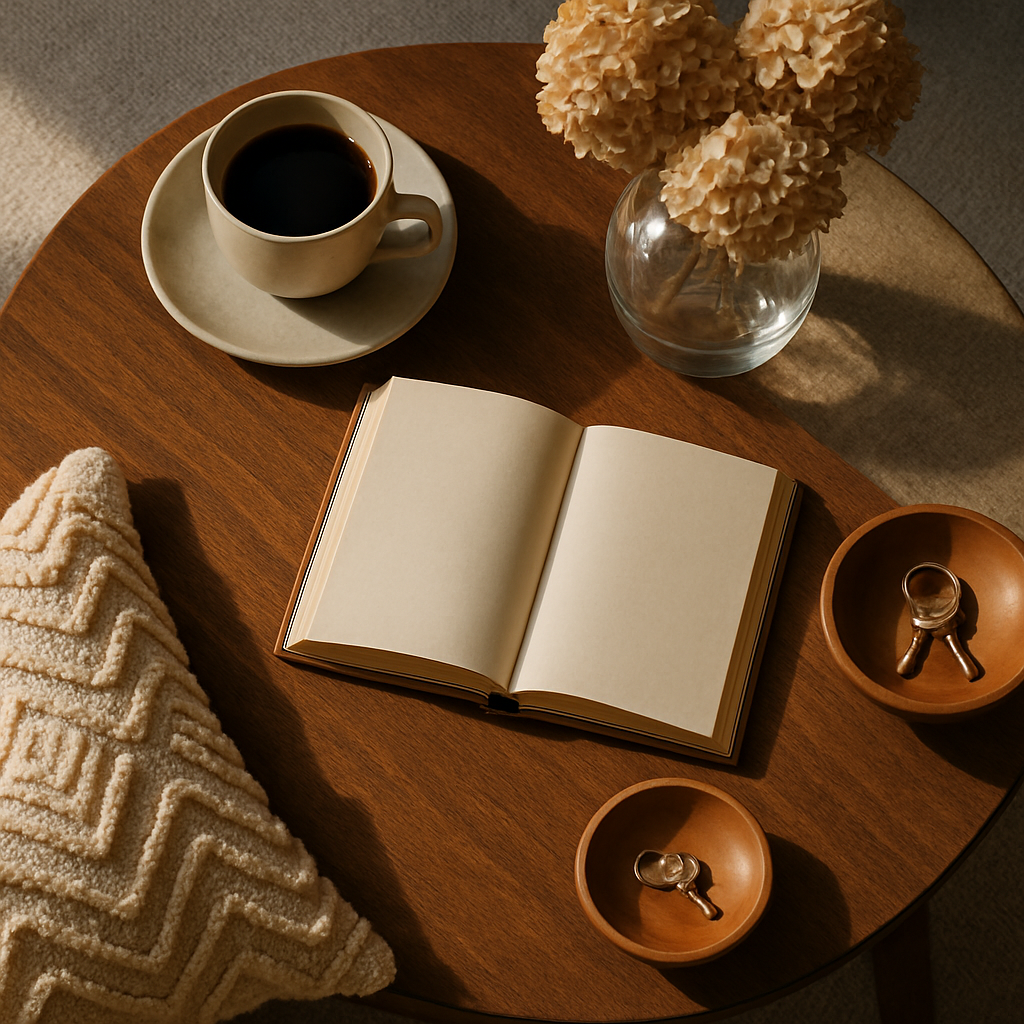
Have you ever walked into someone's home and instantly felt you understood a part of them? This phenomenon isn't just a coincidence; your interior design style can reveal much about who you are. From color choices to furniture arrangements, the way you style your home is a silent communicator of your personality and values. In this article, we'll explore the foundational concepts of interior design styles, delve into the data behind these styles, and offer actionable strategies to enhance your space. We'll also provide expert insights and additional depth into how the perfect style can elevate not just your home, but your daily life.
The Fundamentals of Interior Design Styles
Understanding the fundamentals of interior design styles is crucial for anyone looking to unlock their home's potential. At its core, design style is a visual and functional language that conveys personality and purpose. Common styles include traditional, contemporary, minimalist, and bohemian, each with unique elements and characteristics. For example, traditional design often features classic elements like rich woods and intricate detailing, indicating a preference for history and comfort. On the other hand, minimalist styles are defined by their clean lines and open spaces, reflecting a penchant for simplicity and order.
Colors play a pivotal role in defining these styles. According to Houzz, an online platform known for home renovation and design, color choices can significantly affect the mood and feel of a space. Warm tones like reds and oranges can create a cozy, inviting atmosphere, while cool tones such as blues and greens often evoke calmness and tranquility. Professionals in the field, such as those accredited by the ASID (American Society of Interior Designers), emphasize the importance of color psychology when designing a space that truly resonates with its occupants.
Furniture selection and placement further define a style's essence. For instance, the use of large, plush sofas in a traditional setting promotes a sense of welcome and comfort, while sleek, low-profile seating in contemporary settings accentuates modernity and efficiency. These choices are not just aesthetic; they're practical reflections of a homeowner's lifestyle and priorities. Understanding these fundamentals allows you to make informed decisions that align with your personal style and home functionality.
Analyzing the Impact of Style on Personal Expression
Your home's design style doesn't just stay within its walls; it projects outwards, influencing perceptions and interactions. According to research by the NCIDQ (National Council for Interior Design Qualification), the gold-standard credential for designers, well-designed spaces can increase a home's resale value by 5-15%. This statistic underscores how style choices go beyond personal satisfaction to impact financial outcomes. So, what does your design style say about you? Are you projecting luxury and sophistication, or comfort and approachability?
For instance, the rise of biophilic design, which integrates natural materials and elements into homes, reflects a growing desire for connection with nature and sustainability. This trend is particularly popular among individuals who prioritize environmental consciousness and wellness. According to Houzz's annual survey, 67% of homeowners who adopted biophilic elements reported increased satisfaction with their home environments, highlighting the profound impact of style on personal well-being.
Moreover, the integration of smart home technology into interior design is a testament to the modern homeowner's desire for convenience and control. Smart lighting, climate control, and even automated window treatments are not just about adding functionality; they reveal a penchant for innovation and efficiency. Professionals often note that these choices are indicative of a forward-thinking mindset, aligned with a tech-savvy lifestyle. As you consider your own space, ask yourself: What values do your design choices communicate?
Actionable Strategies to Enhance Your Design Style
Enhancing your interior design style is not just about selecting the right furniture or color palette; it's about creating a cohesive environment that reflects your personality and meets your needs. One effective strategy is to start with a clear vision. Visualize how each room should function and feel. Are you aiming for a serene retreat or a vibrant social hub? Mapping out your daily routines and considering the flow of your space can guide your design decisions.
Next, consider the power of contrast. Mixing different textures and materials can add depth and interest to any room. For example, pairing a sleek leather sofa with a soft, plush throw can balance modernity with comfort. Experienced professionals often advise using contrast to highlight focal points within a room, drawing attention to areas that reflect your style intentions. This technique not only enhances aesthetic appeal but also emphasizes your personal narrative within the space.
Finally, don't underestimate the importance of personalization. Incorporate elements that tell your story - artwork, heirlooms, or travel mementos can imbue your space with unique character. Platforms like Pinterest and Instagram offer endless inspiration, allowing you to curate ideas that resonate with your personal style. By combining these actionable strategies, you can transform your home into a true reflection of yourself, while also making it a more functional living space.
Expert Insights on Style and Functionality
Industry experts emphasize that a well-designed space balances style with functionality. While aesthetics are important, the ultimate goal is to create a space that serves your needs effectively. According to the IIDA (International Interior Design Association), the best designs seamlessly blend form and function, ensuring that beauty does not come at the expense of practicality. This balance is particularly crucial in high-traffic areas like kitchens and living rooms, where functionality is paramount.
One emerging trend that demonstrates this balance is the Japandi style, which combines Japanese minimalism with Scandinavian warmth. This style prioritizes simplicity and functionality, using natural materials and muted colors to create a calming environment. Professionals in the field often highlight Japandi as an example of how design can enhance both aesthetic appeal and usability. By focusing on essential elements, this style fosters a sense of peace and order.
The use of sustainable and reclaimed materials is another aspect where style meets functionality. With increasing awareness of environmental issues, more homeowners are choosing eco-friendly options that align with their values. This choice not only reduces environmental impact but also adds a unique, personalized touch to the home. As you explore different styles, consider how incorporating such elements can contribute to a more sustainable and functional living environment.
Exploring Additional Depth in Design Styles
For those looking to delve deeper into their design journey, understanding the nuances of different styles can offer new perspectives. Each style has its own set of characteristics that can be tailored to individual preferences. For example, the quiet luxury trend focuses on understated elegance, using high-quality materials and craftsmanship to create subtle yet sophisticated spaces. This style is ideal for those who appreciate refinement without ostentation.
Another design style gaining traction is the integration of virtual and augmented reality (AR/VR) tools in the design process. These technologies allow homeowners to visualize potential changes in their space before committing to them. By collaborating with designers who utilize AR/VR, you can experiment with different styles and layouts, ensuring that the final result aligns with your vision. This approach not only enhances creativity but also reduces the risk of costly mistakes.
Finally, engaging with professional organizations like the AIA (American Institute of Architects) can provide additional resources and guidance. These organizations offer access to expert advice, industry trends, and educational materials that can enrich your understanding of interior design. Whether you're redesigning a single room or embarking on a full-home renovation, tapping into these resources can provide invaluable support and inspiration.
Final Perspectives on Your Interior Design Journey
Your interior design style is a powerful tool for personal expression, offering insights into your values, lifestyle, and aspirations. By understanding and embracing your unique style, you can create a living environment that not only looks beautiful but also enhances your quality of life. As you've seen, design choices impact everything from mood and functionality to financial value, making them an integral part of your home's potential.
As you reflect on your design journey, consider how your style can continue to evolve with your changing needs and preferences. Whether you're drawn to the elegance of quiet luxury or the innovation of smart technology, your home should be a reflection of your personal growth and aspirations. What steps will you take next to unlock your home's full potential?
The journey of exploring and refining your interior design style is ongoing, offering endless opportunities for creativity and improvement. Remember, the ultimate goal is to create a space that feels authentic and fulfilling, one that truly embodies who you are.
Conclusion
In conclusion, unlocking your home's potential through interior design is a deeply personal endeavor that reflects who you are and what you value. By understanding foundational concepts, analyzing style impacts, and applying actionable strategies, you can transform your living space into a true reflection of yourself. Embrace expert insights and explore additional depths to continually refine your style.
Now is the time to take action. Start by browsing portfolios on Houzz or Pinterest this week - even 20 minutes of research will sharpen your eye for what you want. As you embark on this journey, remember that your home is more than just a physical space; it's a canvas for your personal expression and a key component of your well-being. What will your home say about you?



Comments
Post a Comment