Unlock Your Creativity with These Free Interior Design Apps
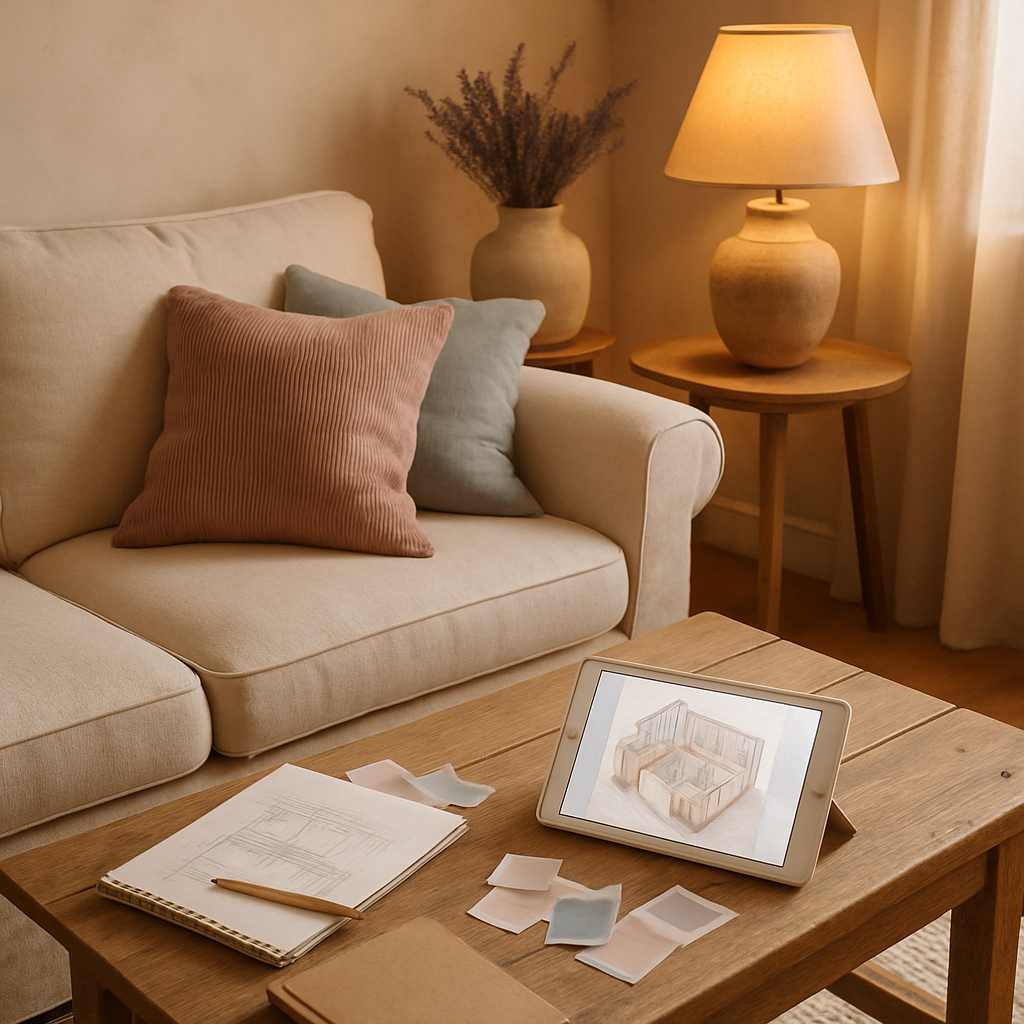
Imagine transforming your living space from drab to fab without spending a dime on design software. According to a survey by Houzz, nearly 75% of homeowners use online tools for their design projects, underscoring the shift towards digital solutions in interior design. With a plethora of free interior design apps now available, creativity is at your fingertips, allowing you to visualize and plan stunning interiors with ease. This guide explores how these apps can elevate your design game, offering foundational concepts, deeper analysis, actionable strategies, and expert-level detail. Whether you're a seasoned designer or a DIY enthusiast, these tools will help you unlock your creative potential.
Understanding the Basics: Free Tools for Interior Design
In the realm of interior design, foundational concepts are crucial for both beginners and experienced designers. Free interior design apps like Planner 5D and Roomstyler 3D Home Planner offer user-friendly interfaces that make it easy to create detailed floor plans and realistic room layouts. These apps serve as a digital sketchbook, allowing you to experiment with different styles and layouts without committing to any physical changes. This flexibility is particularly beneficial for those who may not yet have a firm grasp of what they want in their space.
Planner 5D, for example, allows users to create stunning 2D and 3D designs with an extensive library of furniture and decor items. This app is perfect for visualizing how different elements will look and fit in your space. Similarly, Roomstyler 3D Home Planner offers a vast array of customizable templates and an easy-to-use drag-and-drop feature, making it accessible for even the most novice designers. Both apps provide a sandbox where creativity can flourish without the fear of costly mistakes.
Moreover, these platforms often include community features where you can share your designs and gain feedback from other users. This community engagement can offer new perspectives and inspire fresh ideas, which is invaluable when you're stuck or unsure of your next step. By leveraging these free tools, you can refine your design skills and develop a more nuanced understanding of space planning and aesthetic balance.
As you become more comfortable with these basics, you'll find that these apps lay the groundwork for more advanced design projects. With a solid foundation, the transition to complex design tasks becomes seamless, paving the way for deeper exploration.
The Power of Visualization: Data-Driven Insights
Visualization is a powerful tool in interior design, and today's technology makes it more accessible than ever. According to research by the American Society of Interior Designers (ASID), clients are 60% more likely to commit to a design project when they can visualize the final outcome. Apps like Homestyler and SketchUp Free harness this power, allowing users to see potential designs in a virtual space before any physical changes are made.
Homestyler, for instance, offers a unique feature that lets you take a picture of your room and then decorate it virtually. This augmented reality approach helps you understand how different furniture pieces and decor will look in your actual space. Similarly, SketchUp Free provides robust 3D modeling capabilities that are perfect for more detailed projects. Its precision and versatility make it a favorite among professional designers and ambitious DIYers alike.
These apps not only enhance your ability to visualize designs but also empower you with data-driven insights. Many of these tools incorporate analytics that track trends and user preferences, helping you make informed decisions based on popular design choices. This integration of data and design is transforming how we approach interior spaces, making it easier to create environments that are both aesthetically pleasing and functional.
As you delve deeper into these visualization tools, you'll discover how they can significantly boost your confidence in design decisions. Understanding the impact of your choices before implementing them is a game-changer, leading us naturally into actionable strategies that further enhance your creative process.
Actionable Strategies for Effective Design
Once you've grasped the basics and understand the power of visualization, the next step is to apply actionable strategies to your design projects. These strategies are crucial in transforming your creative ideas into reality, ensuring that every element in your space serves a purpose and enhances the overall aesthetic.
Start by defining your design goals clearly. Are you aiming for a minimalist Japandi style, or does the biophilic design trend with its natural materials resonate more with you? Apps like Pinterest can be instrumental in this phase, offering a wealth of inspiration and helping you curate your personal style board. By collecting images that align with your vision, you create a reference point that guides your decisions throughout the design process.
Next, leverage the features of your chosen design app to experiment with different layouts and color schemes. For instance, using Planner 5D's color palette tool can help you visualize how various hues work together in your space. Experienced professionals often note that a well-coordinated color scheme can drastically alter the perception of a room's size and mood.
Finally, consider the practical aspects of your design. Does your layout allow for efficient movement and functionality? Will your selected materials stand the test of time? Apps like IKEA Place can simulate furniture placement in your room, helping you assess the practicality of your design choices. As you implement these strategies, you'll find that your designs not only look good but also feel right, leading to a more cohesive and satisfying living environment.
With these strategies in place, you're well on your way to creating a space that reflects your unique style and meets your practical needs, setting the stage for expert-level detail and advanced design techniques.
Expert Insights: Advanced Design Techniques
For those ready to take their design skills to the next level, mastering advanced techniques is key. Certified interior designers, often holding credentials like NCIDQ (National Council for Interior Design Qualification) or affiliations with ASID, emphasize the importance of understanding design principles such as scale, proportion, and balance. Free apps like SketchUp Free are invaluable for practicing these concepts in a virtual environment before applying them in real life.
Using SketchUp Free, you can experiment with different scales and proportions, ensuring that each piece of furniture fits harmoniously within the space. This app's precise measurements and 3D modeling capabilities make it easier to avoid common design pitfalls, such as overcrowding a room or disrupting the visual flow with mismatched elements.
Additionally, consider incorporating smart home technology into your designs. Platforms like Houzz provide insights into integrating smart lighting and automated climate controls, which not only enhance comfort but also elevate the sophistication of your space. These innovations align with the growing trend of quiet luxury, where understated elegance and functionality merge seamlessly.
As you refine these advanced techniques, you'll find that your design projects become more polished and professional. This expertise not only benefits your own living space but also positions you as a knowledgeable resource for others seeking design advice, leading naturally into additional depth and complexity in your projects.
Enhancing Your Design Toolkit: Additional Resources
Expanding your design toolkit with additional resources is essential for continuous improvement and creativity. Beyond apps, platforms like Architectural Digest's AD PRO network and the IIDA (International Interior Design Association) offer invaluable insights into the latest industry trends and professional practices.
For example, the AD PRO network provides access to exclusive content, including expert interviews, trend forecasts, and detailed case studies that can inspire and inform your design projects. Similarly, the IIDA offers educational resources and networking opportunities that connect you with other design professionals, fostering collaboration and innovation.
Social media platforms like Instagram and Pinterest also play a significant role in expanding your design repertoire. Following influential designers and engaging with design communities can spark new ideas and keep you abreast of emerging trends. This engagement not only enhances your creative abilities but also provides a platform for sharing your own work and building a personal brand in the design space.
As you integrate these additional resources into your toolkit, you'll develop a more holistic approach to interior design, equipping you with the knowledge and inspiration to tackle any project with confidence and creativity.
Final Perspectives on Creative Design
As you reflect on your journey with free interior design apps, consider how they've transformed your approach to creating beautiful spaces. These tools empower you to experiment, visualize, and execute designs that resonate with your personal style and functional needs. Have you noticed a shift in how you perceive your living space? Are there areas that still challenge your creativity?
By continuing to explore and apply new techniques, you can keep your designs fresh and innovative. Remember that the world of interior design is ever-evolving, with new trends and technologies emerging regularly. Staying informed and adaptable is key to maintaining a dynamic and engaging design process.
As you move forward, think about how you can further integrate these digital solutions into your design practice. Whether you're embarking on a new project or refining an existing space, these apps offer endless possibilities for creativity and expression. With the right tools and strategies, you're well-equipped to create interiors that are not only visually stunning but also deeply personal and functional.
Conclusion: Take Action Today
Having explored the world of free interior design apps, it's time to take action and apply what you've learned. Start by downloading a few of the apps mentioned and spend some time experimenting with their features. Which app resonates most with your design style? How can you use these tools to enhance your next project?
Begin by browsing designer portfolios on platforms like Houzz this week. Even dedicating 20 minutes to research can sharpen your eye for what you want in your space. Remember, the key to successful design is not just creativity but also the willingness to explore and adapt. As you embark on this exciting journey, keep your mind open to new ideas and possibilities. Unlock your creativity and transform your living space into a reflection of who you are. Happy designing!


Comments
Post a Comment