Unlock Your Creativity: The Ultimate Guide to Mood Boards in Interior Design
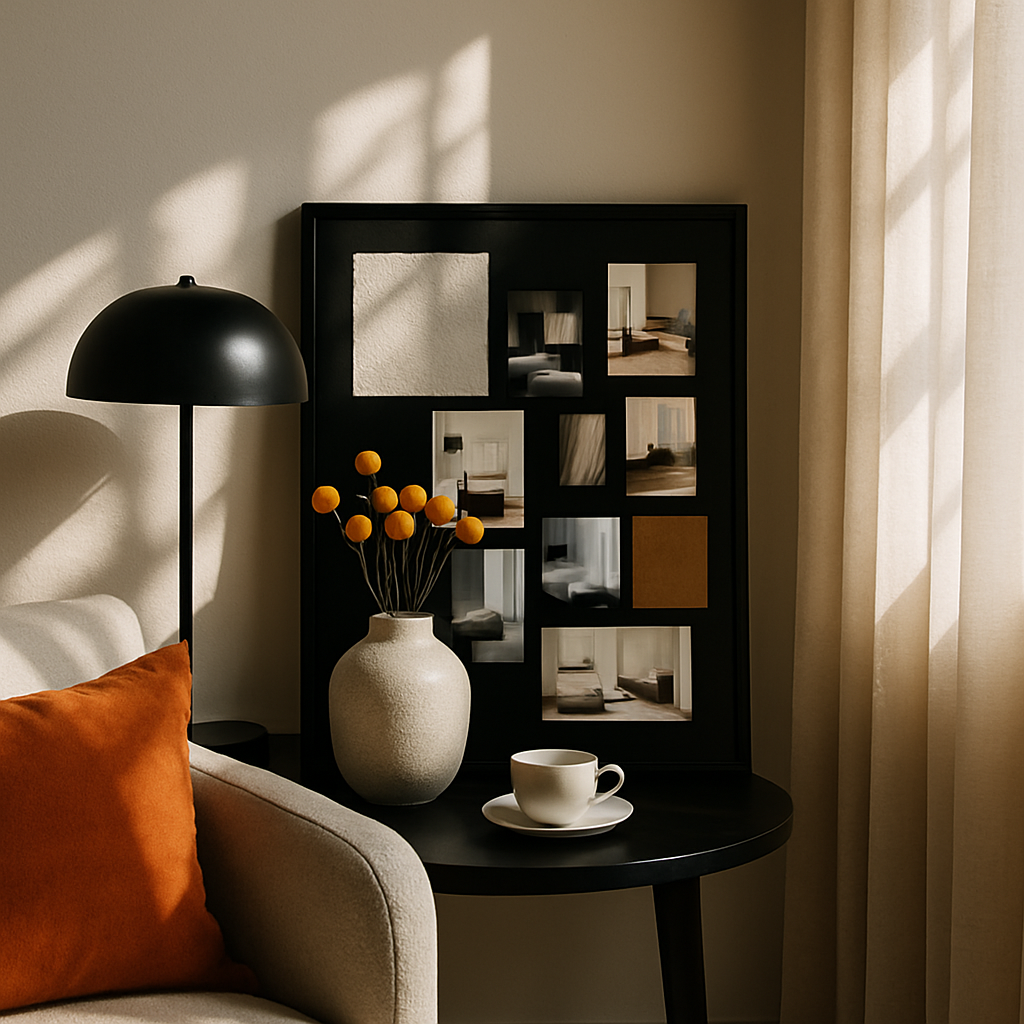
Have you ever found yourself overwhelmed by the endless possibilities when designing a space? According to a Houzz survey, over 50% of homeowners experience decision fatigue during renovation projects. This is where mood boards become invaluable. They are a powerful tool in interior design, enabling you to visualize concepts and keep your creative ideas organized. In this guide, we will explore the essential components of mood boards, delve into their strategic use, and provide expert advice on crafting the perfect board to inspire your next project. Whether you're a seasoned designer or a DIY enthusiast, mood boards can transform your design journey.
The Foundation of Mood Boards: What They Are and Why They Matter
Mood boards are a collection of images, materials, text, and other design elements that serve as a visual representation of a design concept. They act as a blueprint for your ideas, helping you to articulate the desired look and feel of a space. This tool is indispensable for interior designers as it communicates the creative vision to clients and collaborators effectively. By organizing your thoughts visually, mood boards ensure that all parties involved are aligned on the project goals.
Creating a mood board begins with gathering inspiration. This can include anything from magazine clippings and fabric swatches to digital images from platforms like Pinterest and Instagram. The goal is to capture the essence of the mood you want to evoke in the space. This process not only clarifies your vision but also helps to identify potential design elements that might not initially seem cohesive.
Why are mood boards so critical in the design process? They provide a tangible guide that keeps the project on track. By having a visual reference, you can avoid common pitfalls such as scope creep or mismatched elements. Moreover, mood boards are not static; they evolve as the project progresses, allowing for flexibility and creativity while maintaining a coherent design narrative.
The Science Behind Mood Boards: Data-Driven Design
While mood boards may seem purely artistic, they have a significant analytical component. According to research by the American Society of Interior Designers (ASID), projects that utilize mood boards see a 20% increase in client satisfaction. This is because mood boards help bridge the gap between abstract ideas and concrete plans. They provide a structured way to explore color theory, spatial relationships, and material compatibility.
By including swatches and samples, you can test combinations and see how they interact in real time. For instance, experimenting with the biophilic design trend, which emphasizes natural materials and connections with nature, can be effectively visualized on a mood board. The tactile experience of handling materials such as reclaimed wood or organic textiles can reinforce your design direction and ensure that sustainable elements are cohesively integrated.
Moreover, mood boards can incorporate digital tools like Adobe Spark or Canva, which offer templates and editing capabilities to refine your design digitally. These platforms enable you to play with layouts and dimensions, ensuring the final space is not only aesthetically pleasing but also functional. By leveraging data and technology, mood boards become a bridge between creativity and practicality.
Practical Steps to Create an Impactful Mood Board
Creating a mood board starts with setting a clear intention. Ask yourself: What is the primary purpose of this space? Are you designing for relaxation, productivity, or entertainment? Defining the function will guide your selection of images and materials. Begin by collecting inspiration from diverse sources. Architectural Digest's AD PRO network is an excellent resource for high-quality images and cutting-edge design trends.
Once you have gathered your materials, start arranging them on your board. Consider the balance of colors, textures, and shapes. Does the layout convey the mood you want to achieve? A well-composed board should communicate harmony and balance. Experienced professionals often note that the best mood boards tell a story, guiding the viewer through the design concept seamlessly.
Remember to include a variety of elements. Incorporate swatches, paint chips, photographs, and even personal items that resonate with the design theme. This eclectic mix will provide a comprehensive view of the intended aesthetic. As you refine your board, continuously ask yourself if each element serves the overall vision. This will ensure that your mood board remains a focused and effective tool.
Expert Insights: Tips for Professional-Level Mood Boards
What sets a professional mood board apart from an amateur one? According to the International Interior Design Association (IIDA), attention to detail and a clear narrative are key. Professionals often use mood boards to convey not just the visual aspects of a design but also the emotional and sensory experiences a space will evoke. This holistic approach is what truly captures a client's imagination.
One advanced technique is to use AR/VR room visualization tools. These allow designers to create 3D renderings of their mood boards, providing clients with an immersive experience of the proposed design. This technology can be particularly useful when working with large projects or complex spaces, as it offers a realistic preview of how elements will look and feel in situ.
Furthermore, certified interior designers, who hold credentials such as the NCIDQ (National Council for Interior Design Qualification), emphasize the importance of adaptability. A mood board should be flexible enough to incorporate feedback and evolve with the project. This dynamic quality ensures that the final design is not only beautiful but also functional and responsive to the client's needs.
Advanced Techniques: Enhancing Mood Boards with Modern Trends
To elevate your mood boards, consider incorporating current design trends. For example, the Japandi style, which merges Japanese minimalism with Scandinavian warmth, can add a unique aesthetic to your board. This style emphasizes simplicity, functionality, and the use of natural materials, which can be beautifully represented in a mood board through textures and color palettes.
Additionally, integrating smart home features into your design can be a game-changer. Mood boards can include elements like automated lighting systems or climate control, represented through imagery or digital displays. This not only showcases the design's modernity but also its practicality and efficiency.
Lastly, sustainability should be at the forefront of modern mood boards. Consider how reclaimed materials, energy-efficient designs, and eco-friendly practices can be woven into your project. Highlight these elements to demonstrate a commitment to environmentally responsible design. This approach not only enhances the aesthetic appeal but also adds significant value to the project, appealing to environmentally conscious clients.
Final Thoughts on Mood Boards and Creativity
In conclusion, mood boards are more than just a collection of pretty pictures. They are a strategic tool that guides the design process, ensuring clarity and coherence from concept to completion. By combining creativity with data-driven insights, mood boards can significantly enhance the quality and satisfaction of interior design projects.
As you embark on your next design journey, consider how mood boards can unlock new levels of creativity. What ideas have you been hesitant to explore? A well-crafted mood board might be just the catalyst you need to bring those concepts to life. With the right approach, mood boards can transform not only your projects but also your design practice as a whole.
Conclusion: Start Your Creative Journey Today
Mood boards are an essential tool for anyone serious about interior design. They provide a visual roadmap that can guide your project from an abstract idea to a concrete reality. By starting with inspiration and strategically organizing your ideas, you'll be able to create spaces that are not only beautiful but also functional and tailored to your needs.
Ready to begin? Start by browsing portfolios on Houzz this week - even 20 minutes of research will sharpen your eye for what you want. Dive into your creative process with confidence, knowing that a well-crafted mood board is your key to unlocking innovative design solutions. It's time to let your creativity shine.



Comments
Post a Comment