Unlock Your Creativity: Top 10 Free Interior Design Courses to Enroll In Today
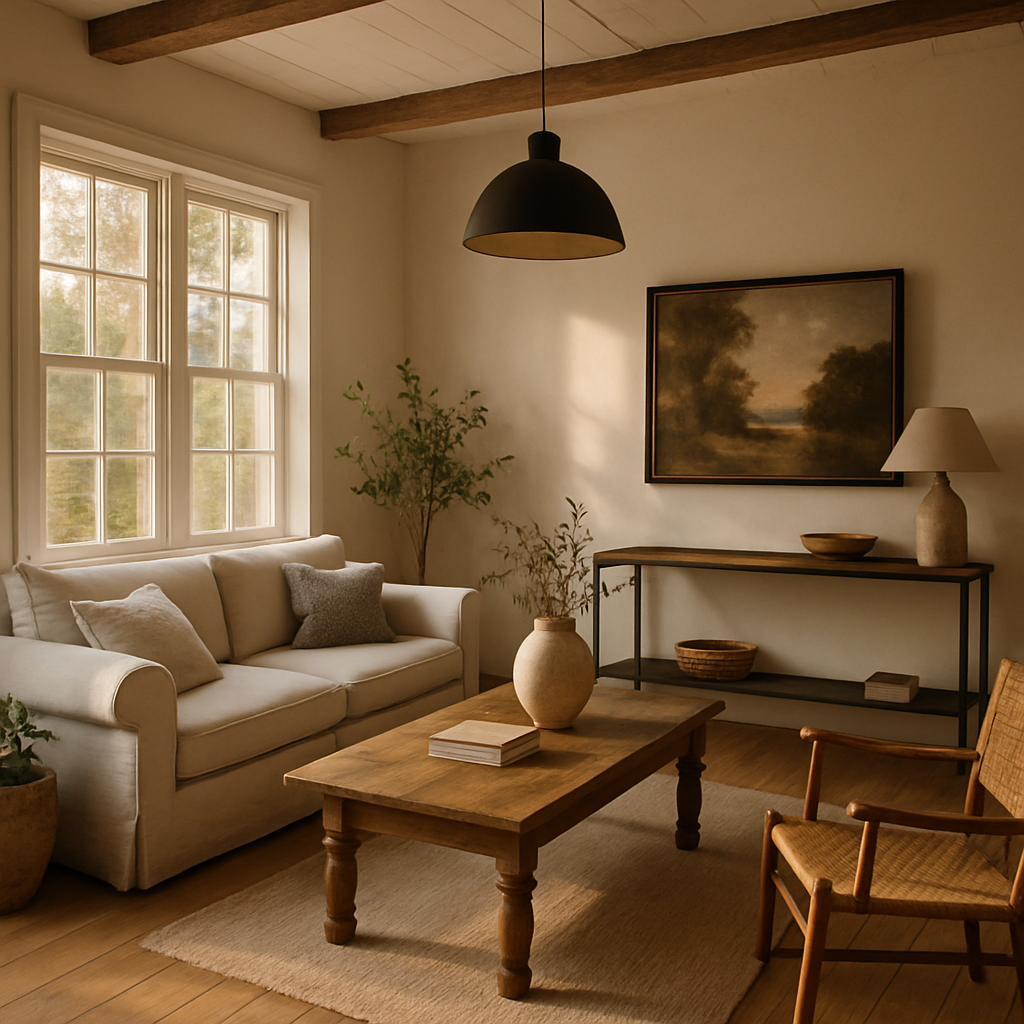
Have you ever looked around your living space and thought about how it could be transformed into something spectacular? You're not alone. According to a Houzz survey, nearly 70% of homeowners plan to redecorate or renovate their homes in the next two years. But where do you start if you're not yet a seasoned interior designer? The good news is that there are free online courses available to help you get started. This article will introduce you to the top 10 free courses that can elevate your design skills, provide foundational concepts, offer deeper analysis with data, give actionable strategies, and present expert-level insights. By the end, you'll have all the tools you need to begin your journey in interior design.
Foundational Concepts in Interior Design
Before diving into the world of interior design, it's essential to grasp the foundational concepts that form the backbone of the industry. Understanding these basics helps you appreciate the complexities and nuances involved in creating aesthetically pleasing and functional spaces. A critical aspect of interior design is the balance between form and function. This means that while a room should look visually appealing, it must also serve its intended purpose efficiently. Courses like "Introduction to Interior Design" on platforms like Coursera and Udemy offer a great starting point by teaching these core principles.
Another fundamental concept is the use of space. Space planning is the process of organizing furniture and functions to work together effectively within a room. The American Society of Interior Designers (ASID) emphasizes that well-planned spaces contribute significantly to a room's flow and usability. Free courses often include modules on space planning techniques, allowing beginners to understand how to optimize areas for both comfort and style.
Color theory is also vital in interior design. Understanding how colors interact and the emotions they evoke can dramatically alter the perception of a space. The National Council for Interior Design Qualification (NCIDQ) suggests that a strong grasp of color theory is essential for creating harmonious interiors. Many free courses provide comprehensive lessons on this topic, helping you make informed color choices that align with your design objectives.
Deeper Analysis with Data
As you delve deeper into interior design, it's crucial to understand how data can inform design decisions. Industry surveys suggest that incorporating data into design can lead to higher satisfaction rates among clients. For instance, Houzz has found that homeowners who educated themselves on design principles reported a 20% increase in project satisfaction. This insight underlines the importance of a data-informed approach to design.
Platforms like MIT OpenCourseWare offer courses that explore the intersection of design and data. Here, you can learn how to collect and interpret data to enhance your design projects. Understanding data analytics can also help you identify trends, such as the rising popularity of sustainable materials and smart home technology, which are integral to contemporary design practices.
Moreover, analyzing data from past projects can provide insights into what works and what doesn't. Experienced professionals often note that reviewing project data leads to improved design strategies and client outcomes. By enrolling in courses that highlight the role of data, you gain a competitive edge in identifying and implementing successful design solutions.
Actionable Strategies for Aspiring Designers
Once you've mastered the foundational concepts and understand the role of data, the next step is to implement actionable design strategies. A crucial strategy is the development of a mood board, which helps visualize and communicate your design ideas. Websites like Canva offer free tools to create digital mood boards, allowing you to experiment with different styles and themes before committing to a final design.
Another effective strategy is learning from real-world case studies. Platforms such as YouTube and Pinterest are treasure troves of design projects that showcase various approaches to interior design challenges. By studying these examples, you can glean insights into successful strategies and apply them to your projects. This approach not only enhances your creativity but also boosts your problem-solving skills.
In addition, networking with other aspiring designers can be invaluable. Joining online communities such as Houzz's discussion forums or Reddit's interior design subreddit can provide support, feedback, and new perspectives. Engaging with these communities allows you to exchange ideas, seek advice, and stay updated on the latest trends and techniques in interior design.
Expert-Level Detail: Moving Beyond Basics
For those who wish to take their design skills to the next level, understanding advanced concepts is key. One such concept is biophilic design, which integrates natural elements into interiors to enhance well-being. According to Architectural Digest, biophilic design is not only a trend but also a scientifically backed approach that improves the quality of life. Free courses on platforms like edX explore these advanced topics, helping you integrate nature into your projects effectively.
Another advanced area is smart home integration. With the rise of smart technology, learning how to incorporate automated systems into your designs is becoming increasingly important. Courses focusing on smart home technology offer insights into the latest innovations, such as automated lighting and climate control, which can be seamlessly integrated into modern design projects.
Moreover, sustainable design is a growing focus in the industry. Experienced professionals often emphasize the importance of using sustainable materials, which not only reduce environmental impact but also cater to a clientele increasingly concerned with eco-friendly solutions. Free courses exploring sustainability can guide you in selecting materials and design practices that align with this movement.
Additional Depth: Leveraging Technology in Design
Technology plays a pivotal role in modern interior design, offering tools that streamline and enhance the creative process. Augmented Reality (AR) and Virtual Reality (VR) tools are revolutionizing how designers present concepts to clients. These technologies allow clients to visualize spaces before any physical changes occur, leading to more informed decisions and fewer costly alterations. Coursera and other platforms offer courses that teach the basics of AR and VR in design.
Furthermore, design software like SketchUp and AutoCAD is essential for creating detailed plans and renderings. While these programs can be complex, many free tutorials and courses can help you learn the basics. Mastering these tools not only improves your technical skills but also enhances your ability to communicate ideas clearly and effectively to clients and contractors.
Another technological advancement is the use of social media for portfolio development. Platforms like Instagram and Pinterest allow designers to showcase their work to a global audience, attracting potential clients and collaborators. Free courses on digital marketing strategies can provide insights into building a strong online presence, ensuring your designs reach a wider audience.
Final Perspectives: Your Path Forward
As you explore these free interior design courses, consider how each one aligns with your personal goals and interests. Are you drawn to the artistic side of design, or do you prefer the technical aspects? Reflecting on these questions can help you select the courses that will most benefit your career and personal growth. Remember, the journey to becoming a skilled interior designer is as much about self-discovery as it is about acquiring technical skills.
Additionally, continuously updating your skills is crucial in this ever-evolving field. The trends and technologies that shape interior design are constantly changing, and staying informed will ensure you remain competitive. Make it a habit to revisit these courses or explore new ones periodically to keep your knowledge fresh and relevant.
Finally, take the time to practice what you learn. Whether by redesigning a room in your own home or volunteering to help a friend, applying your skills in real-world scenarios will solidify your understanding and build your confidence.
Conclusion: Take the First Step Today
In conclusion, the world of interior design is vast and full of opportunities for creativity and innovation. By enrolling in these top 10 free interior design courses, you can unlock your potential and begin transforming spaces in meaningful ways. Whether you're a budding designer or a passionate hobbyist, these courses offer valuable insights that can guide your journey.
So why wait? Start by exploring the courses mentioned here and see which ones resonate with your interests and goals. Investing time in your education will pay dividends as you develop your skills and confidence. Begin your journey by visiting platforms like Coursera, edX, or MIT OpenCourseWare today. Even dedicating just a few hours a week can make a significant difference. Your creative future awaits-take the first step now.



Comments
Post a Comment