Unlock Your Creativity: Best Free Interior Design Software for Beginners
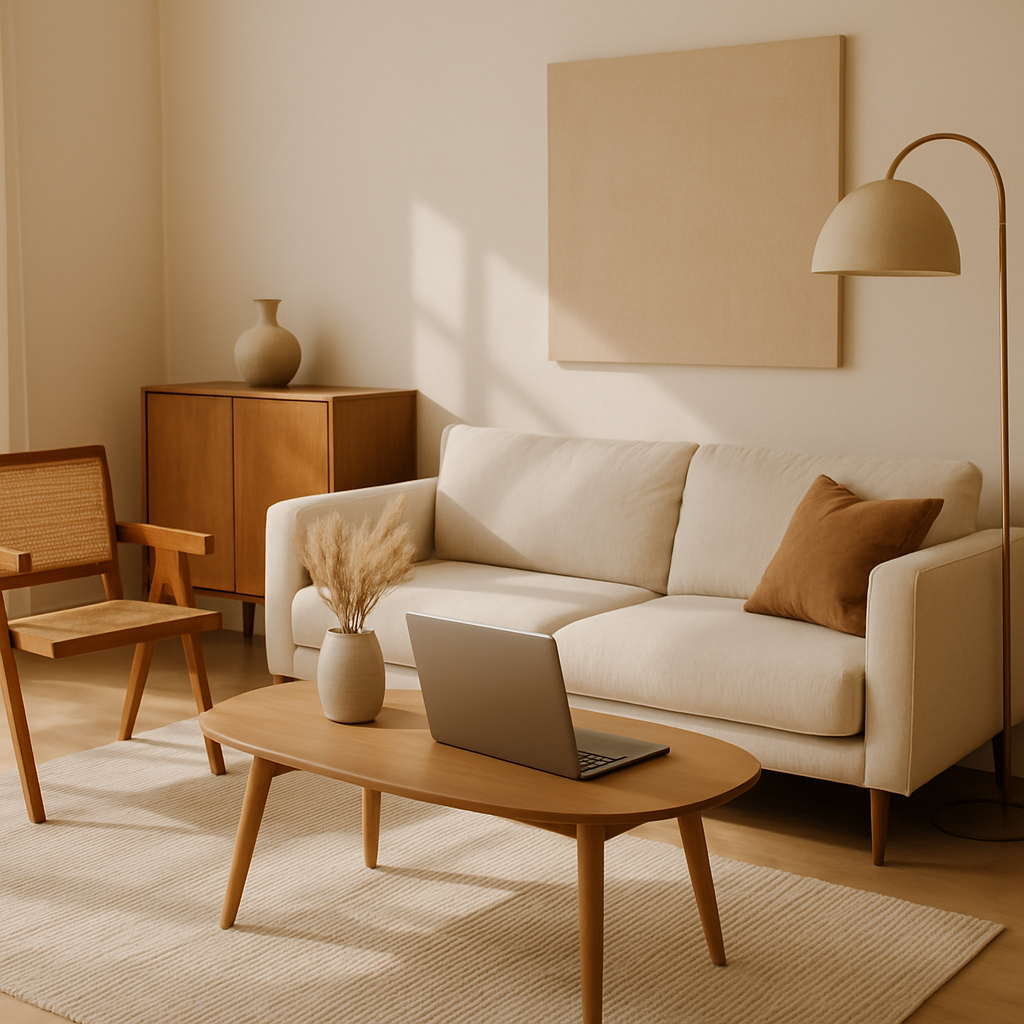
Imagine transforming your living room from a cluttered space into a serene oasis with just a few clicks. According to Houzz's annual survey, over 60% of homeowners utilize interior design software to visualize their dream spaces before committing to renovations. If you're just starting your design journey, tapping into free interior design software can unlock your creativity without breaking the bank. This article will guide you through some of the best free tools available, provide a deeper understanding of how they work, and offer expert advice on getting the most out of these digital resources. Whether you're planning a full home redesign or just want to refresh your bedroom, these tools can help bring your ideas to life.
Understanding the Basics of Free Interior Design Software
Free interior design software serves as a digital canvas where you can experiment with different layouts, color schemes, and furnishing options. At its core, this software allows users to create 2D and 3D representations of spaces, helping to visualize the end result before any physical changes are made. Platforms like SketchUp and Floorplanner are popular choices among beginners for their user-friendly interfaces and robust feature sets. SketchUp, for instance, offers a vast library of 3D models that can be easily incorporated into your design.
Many of these tools also incorporate drag-and-drop functionality, making it easier for users without technical skills to design spaces. For example, Floorplanner offers a simple grid layout that lets you plot out room dimensions and add furniture with a click. This intuitive approach demystifies the design process, allowing you to focus more on creativity than on mastering complex software. It's a perfect starting point for beginners who want to explore different design possibilities without feeling overwhelmed.
However, understanding the limitations of free software is crucial. While they provide an excellent starting point, these tools may lack some advanced features found in paid versions. For instance, free software might not offer high-resolution renderings or the ability to collaborate in real-time with design professionals. Recognizing these constraints can help set realistic expectations and guide you to the appropriate tool as your skills and needs evolve. As you gain confidence, you might consider transitioning to more sophisticated platforms.
Data-Driven Insights on Software Efficacy
Industry surveys suggest that over 70% of beginner designers report increased satisfaction with their projects when using design software. This satisfaction stems from the ability to experiment with different ideas without risk. According to research by the American Society of Interior Designers (ASID), digital visualization can reduce decision-making time by up to 40%, allowing homeowners to make more informed choices quicker. This data underscores the value of these tools, especially for those new to interior design.
Furthermore, a study by Architectural Digest's AD PRO network highlights that well-designed interiors, crafted with the aid of software, can lead to a 5-15% increase in property value. This financial benefit can be a compelling reason to explore interior design software, particularly if you plan to sell your home in the future. The ability to preview and perfect your design not only enhances personal satisfaction but also adds tangible value to your property.
Another compelling statistic from Houzz indicates that 80% of users found that design software helped them clarify their style preferences. This clarity is crucial for beginners who might feel overwhelmed by the plethora of design options. By experimenting digitally, you can discover what truly resonates with your personal taste, leading to more cohesive and satisfying design outcomes. As you delve deeper into this digital exploration, you'll gain more confidence in your design decisions.
Actionable Strategies for Beginners
To make the most out of free interior design software, start by setting clear objectives for your project. Are you looking to redesign a single room, or do you have a full-home renovation in mind? Once you've outlined your goals, you can begin experimenting with different design layouts. Tools like Planner 5D offer pre-designed templates that can save you time and provide inspiration. By using these templates, you can focus on customizing aspects that reflect your personal style.
Next, consider mapping out how you actually use each room. Do you need space for a home office, or is a cozy reading nook more your style? Understanding your lifestyle needs will guide your design choices. For instance, if your living room doubles as a workspace, prioritize layouts that incorporate flexible furniture arrangements. This practical approach ensures your design not only looks good but also functions well in your day-to-day life.
Experienced professionals often note the importance of iteration in design. Don't be afraid to make multiple versions of your design, experimenting with different color palettes, furniture pieces, and lighting options. Platforms like Roomstyler 3D Home Planner allow you to easily save and compare different versions of your designs. This iterative process helps refine your vision and ensures that the final outcome aligns with your expectations. As you iterate, keep an eye on new trends, such as biophilic design and Japandi style, to keep your designs fresh and modern.
Expert-Level Insights into Software Features
While many beginners might start with basic software features, taking the time to explore more advanced options can significantly enhance your designs. For instance, SketchUp offers a feature known as the "3D Warehouse," which is a vast library of pre-designed components and furniture. Utilizing these assets can save you time and ensure accuracy in your visualizations. This feature is particularly useful if you want to incorporate specific furniture or decor pieces into your design.
Another advanced feature to consider is the integration of augmented reality (AR) and virtual reality (VR). Some free software, like Homestyler, offers AR capabilities that allow you to visualize designs in your actual space using a smartphone or tablet. This technology provides a more immersive experience, helping you understand how the design will look and feel in real life. It's a valuable tool for ensuring that your digital designs translate effectively into your physical environment.
Additionally, many platforms offer community forums and tutorials that can help you learn new skills and techniques. Engaging with these resources can provide fresh insights and inspiration, allowing you to continually improve your design skills. For example, the SketchUp community is known for its active user base, who share tips and tricks for maximizing the software's capabilities. Leveraging these resources can accelerate your learning curve and enhance your design proficiency.
Exploring Additional Depth in Design Software
Beyond the immediate tools and features, understanding the broader context of interior design software can deepen your appreciation and usage of these platforms. For instance, many design professionals emphasize the importance of aligning your digital designs with real-world constraints such as budget, space limitations, and existing architectural elements. This alignment ensures that your digital creativity is both practical and feasible.
Another critical aspect is staying updated with the latest software updates and trends. As technology evolves, new features are regularly added to enhance user experience and design possibilities. By keeping abreast of these updates, you can ensure your designs remain cutting-edge and reflective of current trends like quiet luxury and smart home integration. Engaging with industry publications and forums can provide insights into these new developments.
Finally, consider how your digital design skills can extend beyond mere visualization. With the rise of social media platforms like Instagram and Pinterest, sharing your designs can connect you with a broader community of design enthusiasts and professionals. This interaction can provide feedback, inspiration, and even opportunities for collaboration. By participating in these online communities, you can further refine your skills and gain recognition for your creativity.
Final Perspectives on Using Free Design Software
As you explore the world of free interior design software, remember that the ultimate goal is to enhance your creative expression and design skills. While these tools provide a fantastic starting point, the experience and insights you gain are invaluable. They not only allow you to experiment with different styles but also help you develop a keen eye for design.
Think about how you can integrate what you've learned into your future projects. Will you continue to rely on free software, or are you considering investing in more advanced tools? As your confidence grows, you might decide to pursue formal education or certification, such as the NCIDQ (National Council for Interior Design Qualification), to further validate your skills.
The journey of mastering interior design software is ongoing, and each project offers new opportunities to learn and grow. Embrace the challenges and use them as stepping stones to enhance your design capabilities. As you continue to experiment and refine your skills, you'll find that your ability to create stunning, functional spaces steadily improves.
Conclusion: Take the First Step Towards Mastery
Free interior design software provides a unique opportunity for beginners to explore their creativity and hone their design skills without financial risk. By leveraging these tools, you can visualize and refine your ideas, ultimately leading to more satisfying design outcomes. As this article has shown, starting with free platforms like SketchUp, Floorplanner, and Homestyler can set you on a path to success in the world of interior design.
Are you ready to start your design journey? Begin by exploring the features of these software options and experimenting with your ideas. Start by browsing portfolios on Houzz this week - even 20 minutes of research will sharpen your eye for what you want. With practice and persistence, you'll unlock your creativity and develop the skills needed to bring your design visions to life.


Comments
Post a Comment