Unlock Your Creativity: A Beginner's Guide to Entering the Interior Design Field
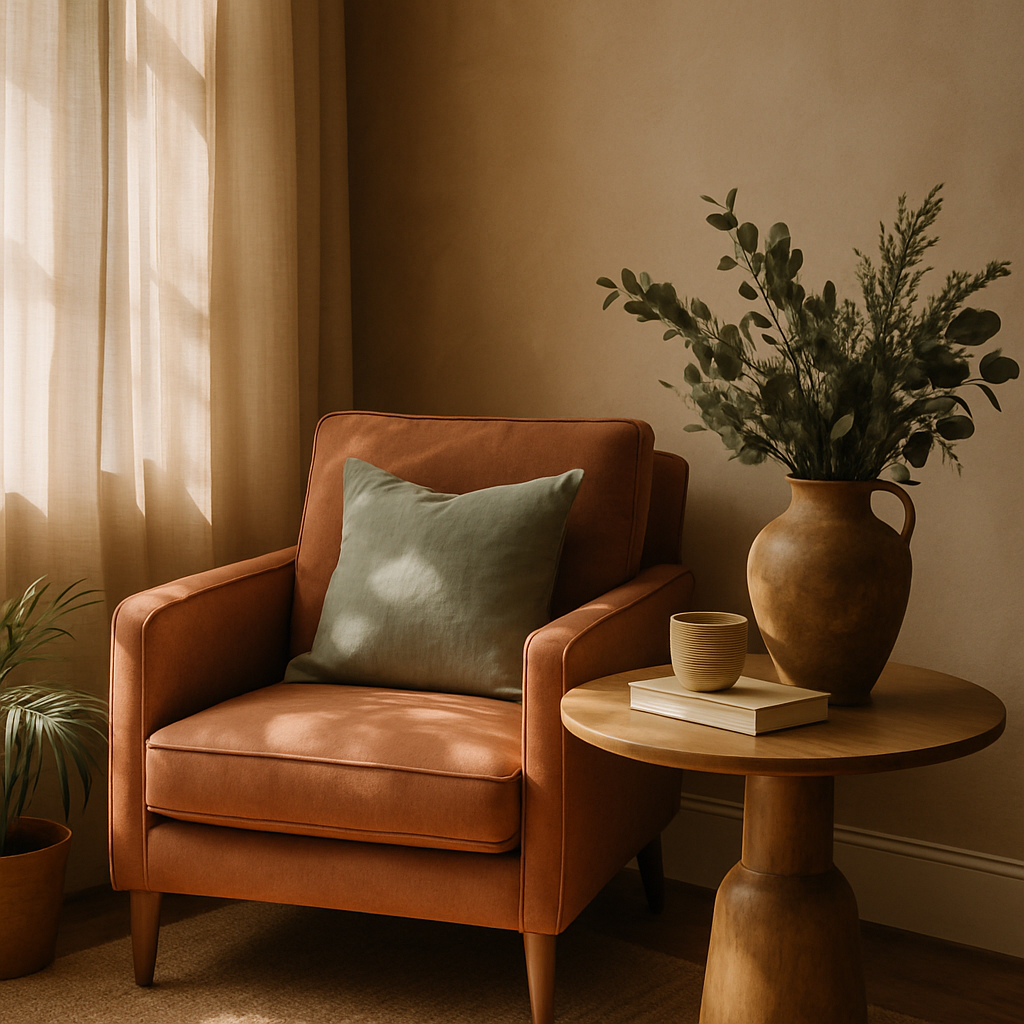
Have you ever walked into a room and immediately felt at ease, inspired, or energized? That's the power of effective interior design. According to industry surveys, well-designed interiors can enhance mood and productivity while increasing a property's resale value by 5-15%. If you're drawn to the idea of transforming spaces and want to unlock your creative potential, entering the interior design field may be the perfect path for you. This guide will explore foundational concepts, delve into industry norms, and provide actionable strategies to help you embark on your interior design journey. Whether you're dreaming of redesigning homes or crafting innovative commercial spaces, this comprehensive guide will equip you with the essential knowledge to get started.
Understanding the Foundations of Interior Design
Before diving into the world of interior design, it's crucial to understand its foundational elements. Interior design is more than just decorating a space; it involves a harmonious blend of aesthetics, functionality, and safety to enhance the quality of living. The process usually begins with concept development, which involves understanding the client's needs and preferences. Here, you brainstorm ideas that align with their lifestyle, taste, and budget. This stage sets the tone for the entire project and is critical for delivering a successful design.
Once the concept is established, the next phase is design presentation. This involves creating visual representations of your ideas, often using tools like AR/VR room visualization, which allows clients to virtually tour the proposed spaces. This technology has become a staple in modern interior design, offering a realistic glimpse into potential outcomes and ensuring client satisfaction. After approval, the procurement and installation phases follow, where materials and furnishings are selected and the design is brought to life.
Are you aware of the value that certified designers bring to a project? Holding credentials such as NCIDQ (National Council for Interior Design Qualification) ensures a designer's expertise and adherence to industry standards. Certification can be a distinguishing factor in the competitive field of interior design, signaling a commitment to excellence and professionalism.
Exploring Industry Trends and Data
To thrive in the interior design field, staying abreast of current trends and data is essential. The industry is dynamic, with trends evolving based on cultural, technological, and environmental changes. For instance, the 2026 design forecast highlights the rise of biophilic design, which integrates natural elements to create soothing environments. Incorporating elements like living walls and natural lighting not only enhances aesthetic appeal but also promotes sustainability.
According to the American Society of Interior Designers (ASID), sustainability is not just a trend but a growing demand. The use of sustainable and reclaimed materials is becoming a standard practice, responding to consumer consciousness about environmental impact. Designers who prioritize eco-friendly solutions are likely to stand out in the marketplace, as clients increasingly seek to minimize their carbon footprint.
What about the financial aspect? Houzz's annual survey data reveals that homeowners are willing to invest significantly in redesign projects, with single-room makeovers costing between $5,000 and $15,000, and full-home projects reaching beyond $150,000. Such data points underscore the potential for a lucrative career in interior design, provided you can deliver on both creativity and client expectations.
Developing Actionable Strategies for Success
Starting a career in interior design requires more than just passion; it demands strategic planning and execution. Begin by building a strong portfolio that showcases your skills and versatility. Use platforms like Houzz and Pinterest to curate your work and attract potential clients. These platforms are not just for inspiration but serve as vital tools for networking and exposure.
Next, consider pursuing formal education or certification. Programs accredited by organizations such as the International Interior Design Association (IIDA) offer comprehensive training that covers both theoretical and practical aspects of design. While certification is not mandatory, it can enhance your credibility and open doors to higher-level opportunities.
Networking is another crucial strategy. Engage with local AIA (American Institute of Architects) chapters or attend industry events to meet fellow designers and potential clients. The relationships you build can provide invaluable support and insights as you navigate the interior design landscape. Remember, every connection is a stepping stone toward establishing your reputation and growing your business.
Gaining Expert-Level Insight
Experienced professionals often note that one of the keys to success in interior design is understanding your client. This involves more than just listening to their preferences; it requires interpreting their unstated needs and translating them into a cohesive design. Developing strong communication and empathy skills will enable you to create spaces that truly resonate with your clients.
Another expert tip is to stay informed about technological advancements in the industry. Smart home integration, including automated lighting and climate control, is increasingly in demand. Familiarize yourself with these technologies to offer clients cutting-edge solutions that enhance their living experience.
Furthermore, consider the financial aspects of your projects. Fee structures in interior design can vary widely, from flat fees to hourly rates or a percentage of the project cost. Understanding these models and setting clear expectations with clients will help prevent misunderstandings and ensure smooth project execution. Would you prefer a transparent pricing model or one that allows for flexibility based on project demands?
Delving Deeper into Design Principles
Interior design is an art form grounded in specific principles that guide every project. Understanding these principles can elevate your designs from good to exceptional. Key concepts include balance, contrast, rhythm, and harmony. These elements work together to create aesthetically pleasing and functional spaces.
Balance involves distributing visual weight evenly throughout a space, which can be achieved through symmetry or asymmetry. Contrast adds interest and focus, often through color, texture, or form. Rhythm, created through repetition and pattern, guides the eye throughout the space, while harmony ensures all elements work together seamlessly.
These principles are not just theoretical; they have practical applications that influence how a space is perceived and used. For example, creating a focal point in a room can draw attention to a particular feature, such as a fireplace or an art piece, enhancing the room's overall impact. Applying these principles thoughtfully can transform spaces and leave a lasting impression on your clients.
Final Perspectives on Your Interior Design Journey
Embarking on a career in interior design is an exciting opportunity to blend creativity with functionality. As you grow in this field, remember to continually seek inspiration from various sources, including art, nature, and architecture. This will keep your designs fresh and innovative.
The journey to becoming a successful interior designer is filled with learning and adaptation. Embrace each project as a chance to refine your skills and expand your knowledge. Are you ready to transform your passion for design into a fulfilling career?
As you reflect on this guide, consider which aspects of interior design excite you the most. Is it the creative process, the client interactions, or the technical challenges? Identifying your strengths and interests will help you carve out a niche and build a rewarding career.
Conclusion: Take the First Step Toward a Creative Career
In summary, entering the interior design field is a journey that combines passion, knowledge, and strategy. By understanding foundational concepts, staying informed about industry trends, and developing actionable strategies, you can unlock your creativity and build a successful career. The key is to keep learning, networking, and adapting to the ever-changing landscape of design.
Ready to take the first step? Start by browsing portfolios on platforms like Houzz this week - even 20 minutes of research will sharpen your eye for what you want. And don't forget to connect with local design communities to expand your network and gain insights from seasoned professionals. Your journey into the world of interior design awaits!


Comments
Post a Comment