Unlock Your Creative Potential: Top Interior Design Certificate Programs of 2023
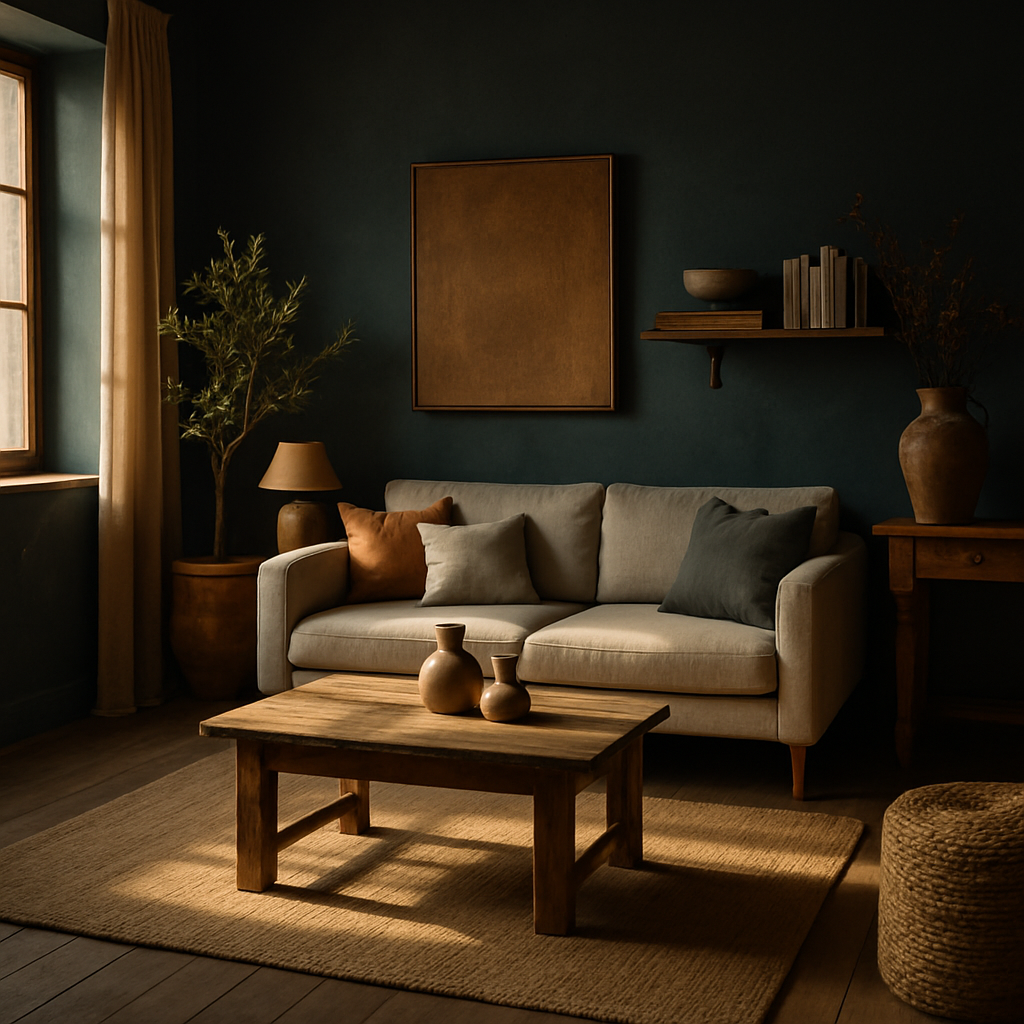
Have you ever walked into a room and felt completely transformed by its ambiance? According to a survey by Houzz, 83% of homeowners believe that a well-designed interior significantly impacts their mood and productivity. This insight underscores the growing demand for skilled interior designers who can turn a space into a sanctuary. If you're passionate about design and eager to carve out a niche in this exciting field, earning a certificate from a top interior design program in 2023 could be your first step. This article will explore foundational concepts of interior design education, analyze key programs, offer actionable strategies for choosing the right certificate, and provide expert insights into the industry's future. Whether you're a budding designer or a seasoned decorator, this guide will illuminate the path to unlocking your creative potential.
Understanding Interior Design Certificate Programs
Before diving into the specifics of certificate programs, it's crucial to understand what they offer and why they matter. Interior design certificate programs are structured educational courses aimed at providing foundational knowledge and skills in design principles, color theory, spatial arrangements, and more. These programs are typically shorter than degree programs, making them an attractive option for those looking to quickly enter the field or enhance their existing skills.
Designed for flexibility, most certificate programs can be completed online or in person, accommodating different learning styles and schedules. This flexibility is particularly appealing to working professionals or individuals with family commitments. Moreover, the curriculum often includes hands-on projects and case studies, allowing students to apply theoretical knowledge in practical scenarios. Such experiential learning is invaluable in honing one's design intuition and problem-solving abilities.
Furthermore, many of these programs are endorsed by reputable organizations such as the American Society of Interior Designers (ASID) and the International Interior Design Association (IIDA). These endorsements not only ensure curriculum quality but also enhance the program's credibility, which can be a significant advantage when entering the competitive job market. As we delve into specific programs, consider how these elements align with your career aspirations and learning preferences.
Analyzing the Top Programs of 2023
When evaluating interior design certificate programs, several factors come into play, including cost, duration, and industry reputation. According to the latest data from ASID, the most sought-after programs are those that balance comprehensive content with accessible pricing. Programs typically range from $2,000 to $10,000, depending on their length and depth. For instance, the New York School of Interior Design offers an esteemed certificate program that combines rigorous coursework with flexible scheduling options.
Another notable program is the UCLA Extension's Certificate in Interior Design, which has consistently ranked high in student satisfaction surveys. The program emphasizes both residential and commercial design, equipping students with a versatile skill set. With a curriculum that includes sustainable design practices and smart home technology, graduates are well-prepared to meet contemporary design challenges.
Interestingly, a survey by Houzz revealed that nearly 60% of interior design students consider program reputation as a critical deciding factor. This highlights the importance of choosing a program that is well-regarded by industry professionals and past graduates. As you consider your options, weigh the program's reputation against your personal career goals and financial investment.
Strategies for Selecting the Right Program
Choosing the right certificate program requires a strategic approach. Start by defining your career objectives: Are you looking to specialize in residential design, commercial interiors, or perhaps sustainable design? Knowing your focus will help narrow down programs that align with these interests. It's also essential to consider the program's teaching format. Do you prefer in-person classes, or does an online setup suit your lifestyle better?
Experienced professionals often note that networking opportunities can significantly enhance the educational experience. Programs affiliated with organizations like NCIDQ (National Council for Interior Design Qualification) frequently offer networking events and industry connections. These can be invaluable for launching your career and finding mentorship opportunities. Additionally, some programs provide job placement assistance, which can ease the transition from education to employment.
Finally, consider the program's curriculum and faculty. Researching the instructors' backgrounds and industry experience can provide insights into the quality of education you will receive. Look for programs that feature a mix of theoretical coursework and practical experience. This balance ensures you not only learn the principles of design but also how to apply them effectively in real-world scenarios. As you assess these factors, remember that the right program is one that fits both your professional goals and personal circumstances.
Expert Insights into the Future of Interior Design
As the interior design industry evolves, staying ahead of trends is crucial for aspiring designers. One prominent trend is the integration of technology in design processes. AR/VR room visualization tools, for example, are becoming standard in client presentations, offering immersive experiences that can dramatically improve project planning and client satisfaction. Programs that incorporate these technologies into their curriculum are often more aligned with the future needs of the industry.
Moreover, the rise of sustainable and biophilic design reflects a growing consumer demand for eco-friendly and nature-inspired spaces. According to a report by Architectural Digest, incorporating natural materials and sustainable practices can enhance a property's value by 5-15%. As such, programs that emphasize these trends provide students with a competitive edge in the job market.
In addition, the concept of quiet luxury-characterized by understated elegance and quality materials-is gaining traction. This trend requires a keen eye for detail and a deep understanding of materials, both of which are crucial for creating sophisticated designs. As you explore potential programs, consider how they address these emerging trends and prepare students for the challenges and opportunities of modern interior design.
Additional Considerations for Prospective Students
Beyond curriculum and trends, prospective students should also consider the long-term benefits of earning a certificate. A well-chosen program can open doors to various career paths, from working in established design firms to starting your own business. According to IIDA, certified interior designers often command higher salaries and have better job prospects compared to non-certified peers.
It's also worth noting that many programs offer continuing education opportunities. These courses allow you to stay current with industry developments and expand your expertise over time. Lifelong learning is a hallmark of successful designers, enabling them to adapt to changing trends and technologies.
Lastly, consider the support systems available to students and alumni. Robust mentorship programs, active alumni networks, and career counseling services can provide ongoing support as you transition from education to professional practice. As you evaluate your options, keep these additional factors in mind to ensure you select a program that offers long-term value and support.
Final Thoughts on Pursuing an Interior Design Certificate
Embarking on a journey to earn an interior design certificate is an investment in your future. By selecting a program that aligns with your goals and interests, you set the stage for a fulfilling career in a dynamic and creative field. Whether you're looking to specialize in residential spaces, explore commercial design, or focus on sustainable practices, the right program can provide the knowledge and skills needed to succeed.
As you move forward, remember that the journey doesn't end with earning a certificate. The interior design industry is ever-evolving, and staying abreast of trends and innovations is crucial. Engage with professional organizations, attend industry events, and continuously refine your skills to maintain a competitive edge.
Are you ready to take the next step in your interior design career? With the right education and determination, you can unlock your creative potential and make a lasting impact in the world of design.
Conclusion
In conclusion, choosing the right interior design certificate program in 2023 can be a transformative step in your creative journey. By understanding the foundational concepts, analyzing top programs, and applying strategic selection criteria, you'll be well-equipped to make an informed decision. As you consider your options, remember the expert insights and industry trends that can guide your path toward success.
Now is the time to explore the possibilities. Start by researching programs that catch your interest and reach out to current students or alumni for firsthand experiences. Browsing portfolios on platforms like Houzz can also offer inspiration and clarity. Even a brief session of focused research can significantly sharpen your vision for your future in interior design. Embrace this opportunity to unlock your creative potential and make your mark in the world of design.


Comments
Post a Comment