Understanding Interior Design: A Comprehensive Guide for Beginners
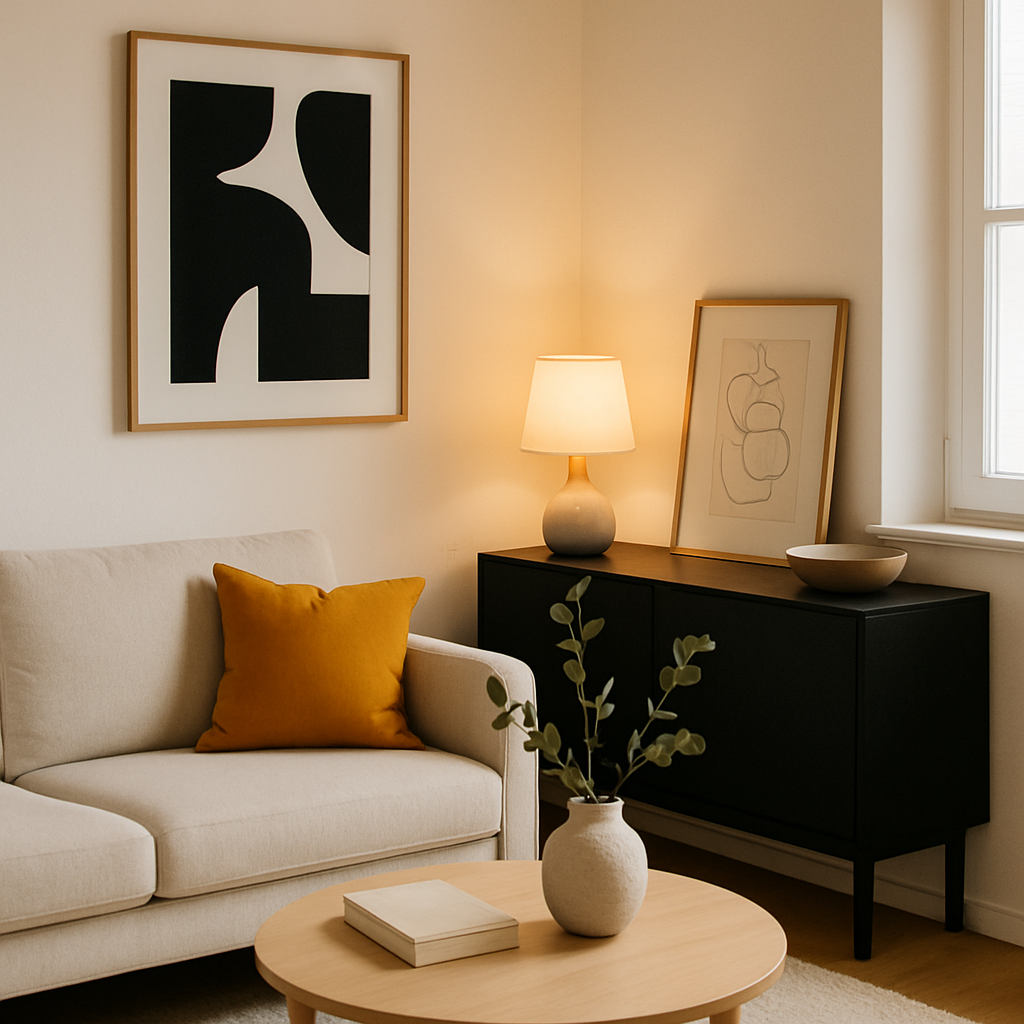
The world of interior design is vast and varied, offering endless possibilities for transforming spaces. According to a survey by the American Society of Interior Designers (ASID), a well-designed interior can increase a home's resale value by 5-15%. This statistic underscores the tangible benefits of quality design, beyond just aesthetics. This guide will unpack the foundational concepts of interior design, delve into deeper analyses, and provide actionable strategies for beginners. We'll also explore expert-level details and additional nuances to ensure you have a comprehensive understanding by the end.
Foundational Concepts of Interior Design
Interior design is more than just arranging furniture; it's a complex discipline that combines aesthetics, functionality, and psychology. At its core, interior design is about creating spaces that enhance the quality of life and culture of the occupants. It involves understanding spatial dynamics, light, color theory, and materials. A successful design must consider the balance between form and function, ensuring that the space is both beautiful and practical.
One of the foundational concepts in interior design is the principle of balance. Balance in design can be symmetrical, asymmetrical, or radial. Symmetrical balance mirrors elements on either side of a central axis and is often found in traditional interiors. Asymmetrical balance, on the other hand, involves different elements that are not identical but still achieve a harmonious feel. Radial balance is when elements are arranged around a central point, like the spokes of a wheel, often seen in circular dining settings.
Another key principle is the use of color. Color can dramatically impact the mood and perceived size of a room. The color wheel, a tool used by designers, helps in selecting complementary or contrasting color schemes. For instance, cool colors like blues and greens are calming and can make a room feel larger, while warm colors like reds and oranges are energizing and can make a space feel cozier. Understanding these basic principles sets the stage for more complex design decisions.
The Science Behind Interior Design
Interior design is not just an art; it also involves a significant amount of science. Research conducted by the International Interior Design Association (IIDA) highlights the psychological effects of design elements on human behavior. For example, the layout of a room can influence social interactions and the productivity of its occupants. Open-plan areas encourage communication and collaboration, while private, enclosed spaces can boost focus and concentration.
Data from Houzz's annual survey reveals that 75% of homeowners believe a well-designed kitchen improves their daily life. This statistic emphasizes the importance of thoughtful planning and execution in high-use areas. Designers often use ergonomics to ensure that spaces promote comfort and efficiency. For instance, the ideal kitchen layout follows the work triangle principle, which minimizes movement between the sink, stove, and refrigerator.
Lighting is another critical aspect of interior design that blends art with science. Natural light is preferred, but when it isn't available, layered lighting strategies are employed. This includes ambient, task, and accent lighting to enhance functionality and aesthetics. Experienced professionals often note that good lighting design can transform a space, making it feel more inviting and dynamic. How might improved lighting change your home environment?
Actionable Strategies for Beginners
For those new to interior design, starting small and focusing on one room at a time can make the process more manageable. Begin by mapping out how you use the space daily. Is there a particular room that feels cluttered or uncomfortable? Consider rearranging the furniture to improve flow and functionality. Use painter's tape to outline new furniture arrangements before committing to changes.
Another effective strategy is to create a mood board. Platforms like Pinterest and Houzz are excellent resources for collecting inspiration and visualizing your ideas. Curate images, color swatches, and textures that resonate with your personal style. This visual guide will help streamline decision-making and ensure a cohesive design.
Budgeting is crucial when embarking on a redesign. Establish a clear budget and prioritize spending on impactful elements like quality furniture or professional-grade lighting. According to industry experts, allocating 10-20% of your home's value to interior improvements can yield a significant return on investment. What specific elements in your home could benefit from a budget allotment?
Expert-Level Insights into Interior Design
For those looking to deepen their understanding, learning about the credentials and roles of interior designers can be beneficial. Certified interior designers, holding credentials like the NCIDQ (National Council for Interior Design Qualification), have undergone rigorous training and examinations, ensuring they possess the necessary skills and knowledge. Understanding these credentials can help you choose the right professional for your project.
The design process typically involves several phases: concept development, design presentation, procurement, installation, and styling. Each phase requires careful coordination and communication between the designer and client. During concept development, designers create initial sketches and layouts, which are then refined into detailed plans during the design presentation stage.
Emerging trends in 2026, such as biophilic design and smart home integration, offer exciting opportunities for enhancing interior spaces. Biophilic design emphasizes natural elements and outdoor connections, while smart home technology can automate lighting, climate, and even window treatments. These trends highlight the evolving nature of interior design and the importance of staying informed about new developments.
Additional Depth and Nuances
One of the often-overlooked aspects of interior design is the environmental impact of materials and processes. Sustainable design is now a major focus, with many designers opting for reclaimed or eco-friendly materials. This shift not only benefits the environment but also adds a unique character to the design. Have you considered the ecological footprint of your design choices?
Another critical consideration is understanding the different fee structures used by interior designers. These can include flat fees, hourly rates, and percentages of the total project cost. On average, hourly rates can range from $150 to $500, while project-based fees might constitute 10-25% of the total budget. Being aware of these structures can help you plan financially and make informed decisions.
Finally, the use of virtual tools like AR/VR for room visualization is becoming increasingly popular. These tools allow clients to "walk through" their future spaces, making it easier to visualize and adjust designs before implementation. Such technology enhances client-designer collaboration and ensures satisfaction with the final outcome. Virtual reality might just be the tool you need to bring your vision to life.
Final Perspectives on Interior Design
Interior design is a dynamic field that combines creativity, technical skills, and an understanding of human behavior. As you continue exploring, remember that patience and flexibility are key. Designs evolve over time, reflecting changes in lifestyle and preferences. By staying informed and open-minded, you can create spaces that truly resonate with your personal style and needs.
As you embark on your design journey, it's essential to engage with professional communities and resources. Platforms like Architectural Digest's AD PRO network and local AIA (American Institute of Architects) chapters offer valuable insights and networking opportunities. These connections can provide ongoing inspiration and support as you refine your design skills.
The world of interior design is waiting for you to explore its depths. With the right tools, knowledge, and resources, you can create environments that enhance both aesthetics and functionality. What will your first design project look like?
Conclusion
Understanding the intricacies of interior design requires a blend of foundational knowledge, practical application, and ongoing exploration. By delving into the principles of balance, color, and light, and leveraging tools like mood boards and virtual visualization, even beginners can achieve professional results. Engaging with certified professionals and embracing emerging trends will further enhance your design journey.
Now is the perfect time to apply what you've learned. Start by browsing portfolios on Houzz or Instagram this week-spending even 20 minutes can sharpen your eye for styles and preferences. As you explore, remember that each design choice is a step towards creating a space that truly reflects you. Ready to transform your space?



Comments
Post a Comment