Transforming Interior Design: The Impact of Mobile App Design on User Experience
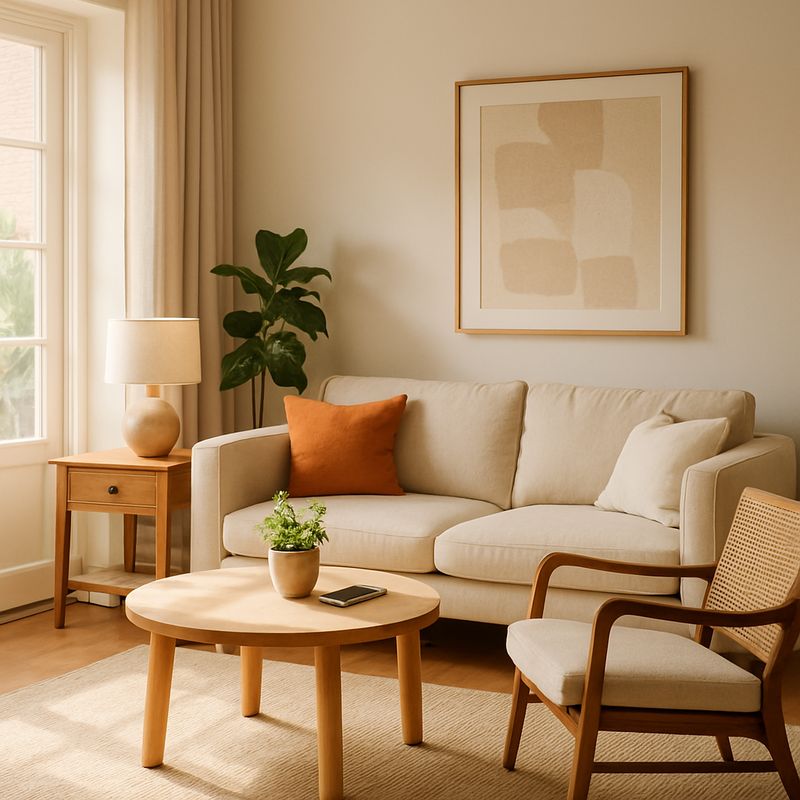
Imagine redesigning your living space without lifting a single paintbrush, relying instead on the sleek interface of your smartphone. According to recent data, over 70% of homeowners are now using mobile apps to streamline their interior design projects. But how exactly are these apps reshaping the user experience? This article delves into the transformative role of mobile app design in the interior design industry, providing a roadmap of foundational concepts, deeper analyses, actionable strategies, and expert insights. By exploring these facets, you'll gain a clearer understanding of how digital tools are not only changing design workflows but also enhancing client satisfaction and project efficiency.
The Foundation of Mobile App Design in Interior Design
Mobile app design has become a cornerstone of modern interior design, revolutionizing how designers and clients interact with spaces. At the heart of this transformation is the integration of user-friendly interfaces that allow clients to visualize design concepts with unprecedented ease. Applications such as Houzz and Pinterest enable users to browse thousands of design ideas and inspirations, effectively changing the way initial design concepts are developed. The intuitive nature of these apps helps bridge the gap between abstract ideas and tangible design plans, making it easier for clients to articulate their vision.
Moreover, mobile apps often incorporate augmented reality (AR) features, allowing users to superimpose digital furniture and decor into their physical spaces. This capability not only enhances the visualization process but also empowers clients to make informed decisions about color schemes, furniture placement, and overall aesthetics. According to a study by Houzz, 73% of users found that using AR tools improved their confidence in design decisions, leading to higher satisfaction with the completed project.
These foundational elements set the stage for more advanced functionalities that continue to evolve with technology. As mobile app design becomes more sophisticated, it integrates with emerging trends such as smart home technology, which further personalizes the user experience. In the following sections, we will explore how data-driven insights and user feedback shape these applications, enhancing their effectiveness and relevance in the interior design industry.
Data-Driven Insights and Their Impact on User Experience
As mobile app design evolves, data has emerged as a pivotal factor in enhancing user experience. The collection and analysis of user data allow developers to tailor apps to meet the specific needs and preferences of interior design enthusiasts. For instance, platforms like Houzz and ASID (American Society of Interior Designers) routinely gather feedback through user interactions, which informs subsequent updates and feature enhancements. This data-driven approach ensures that apps remain relevant and user-centric.
Statistical insights from these platforms reveal that users spend an average of 30 minutes per session exploring design ideas, which underscores the importance of engaging and functional app interfaces. Moreover, ASID research indicates that apps with personalized content recommendations see a 25% increase in user satisfaction. By leveraging this data, developers can identify trending design styles, such as Japandi and biophilic design, and incorporate them into app features, keeping users engaged and informed.
The impact of data extends beyond user satisfaction; it also influences project outcomes. Designers who utilize data-driven apps can anticipate client preferences more accurately, streamlining the design process and reducing the likelihood of costly revisions. This synergy between data and design not only enhances user experience but also contributes to the broader goal of creating functional and aesthetically pleasing interiors. Up next, we'll discuss actionable strategies for integrating mobile apps into your interior design projects.
Actionable Strategies for Integrating Mobile Apps
Integrating mobile apps into your interior design process can significantly enhance efficiency and client satisfaction. One effective strategy is to utilize apps for initial consultations, allowing clients to visually explore different design possibilities. Tools like SketchUp and Planner 5D provide interactive 3D models that clients can manipulate, fostering a more collaborative design approach. Experienced professionals often note that involving clients in this way reduces misunderstandings and aligns expectations from the outset.
Additionally, incorporating project management apps like Trello or Asana can streamline communication and task delegation throughout the design process. These platforms offer features that track project timelines, manage client feedback, and document every step of the design journey. By keeping all stakeholders informed and engaged, these apps help ensure that projects are completed on time and within budget, enhancing overall client satisfaction.
Finally, consider using apps like Instagram and Pinterest for inspiration and mood board creation. These platforms not only provide a wealth of design ideas but also allow clients to share their preferences with designers visually, ensuring a more personalized and tailored design outcome. As you integrate these strategies, remember that the goal is to enhance, not replace, the human touch that is so vital to successful interior design. Next, we'll explore the expert-level details that differentiate certified designers from hobbyists in the context of app usage.
Expert-Level Details: Certified Designers and App Usage
In the realm of interior design, the distinction between certified designers and hobbyists can significantly influence how mobile apps are utilized. Certified designers, such as those holding an NCIDQ (National Council for Interior Design Qualification) certification, bring a level of professionalism and expertise that enhances app usage. These credentials ensure that designers are well-versed in building codes, human-centered design principles, and project management, allowing them to leverage apps more effectively in creating safe and functional spaces.
Certified designers often use advanced apps like AutoCAD and Revit for precise space planning and technical drawings, which are crucial for ensuring that design plans comply with safety standards and client requirements. These tools enable designers to produce detailed schematics that can be shared with contractors and clients, facilitating smoother project execution. The integration of these apps into the design process not only enhances accuracy but also elevates the quality of the final outcome, distinguishing professional services from amateur attempts.
Furthermore, certified designers have access to industry networks such as the IIDA (International Interior Design Association) and local AIA (American Institute of Architects) chapters, where they can collaborate and share insights on the latest app technologies. This professional engagement ensures that designers remain at the forefront of industry developments, continuously refining their skills and app usage to deliver superior design solutions. In the next section, we'll delve deeper into additional aspects that influence the effective use of mobile apps in interior design.
Additional Depth: Enhancing App Effectiveness in Design
To maximize the effectiveness of mobile apps in interior design, it's essential to consider the broader context of their usage. One key factor is the alignment of app features with contemporary design trends. For example, apps that incorporate sustainable and reclaimed materials resonate with the growing demand for eco-friendly designs. By staying attuned to trends like quiet luxury and understated elegance, apps can provide users with relevant design options that reflect current preferences.
Another factor is the seamless integration of smart home technology within design apps. As the demand for smart home solutions grows, apps that offer features for automating lighting, climate control, and window treatments become increasingly valuable. This integration not only enhances the user experience but also adds a layer of convenience and functionality to the design process, making it easier for clients to envision and execute their ideal spaces.
Finally, the use of AR/VR room visualization tools in apps can significantly enhance the design experience. By allowing users to virtually walk through their redesigned spaces, these tools provide a level of immersion that traditional 2D designs cannot match. This capability not only boosts client confidence but also reduces the risk of dissatisfaction with the final outcome. As we approach the conclusion, consider how these elements come together to create a more cohesive and satisfying user experience in interior design.
Final Perspectives on Mobile App Design in Interior Design
The impact of mobile app design on the interior design industry is profound, offering new possibilities for both designers and clients. By integrating user-friendly interfaces, data-driven insights, and advanced visualization tools, these apps have redefined the design process, making it more accessible and engaging. This digital transformation is not without its challenges, but the benefits far outweigh the drawbacks, particularly when apps are used to enhance, rather than replace, the traditional design experience.
As you explore mobile apps in your interior design journey, consider how they can complement your creative vision and professional expertise. Are there specific apps that align with your design goals? Have you explored the latest features that could streamline your process? By reflecting on these questions, you can make informed decisions about how best to integrate technology into your practice. In conclusion, let's summarize the key takeaways and outline actionable steps for embracing mobile app design in your next project.
Conclusion: Embracing Mobile App Design in Your Projects
In summary, mobile app design has become an integral part of the interior design landscape, offering innovative solutions that enhance user experience and project outcomes. From foundational concepts to advanced tools, these apps provide a wealth of opportunities for both designers and clients to explore and realize their creative visions. By leveraging data insights, expert-level tools, and contemporary design trends, you can elevate your projects and achieve greater satisfaction.
Are you ready to integrate mobile app design into your interior projects? Start by exploring platforms like Houzz, Pinterest, and ASID to discover new ideas and tools that align with your design philosophy. This week, dedicate at least 20 minutes to researching these apps - you'll be amazed at how they can inspire and streamline your process. Embrace this digital evolution and transform your design approach for the better.

Comments
Post a Comment