Transform Your Workspace: Creative Office Interior Design Trends for 2024
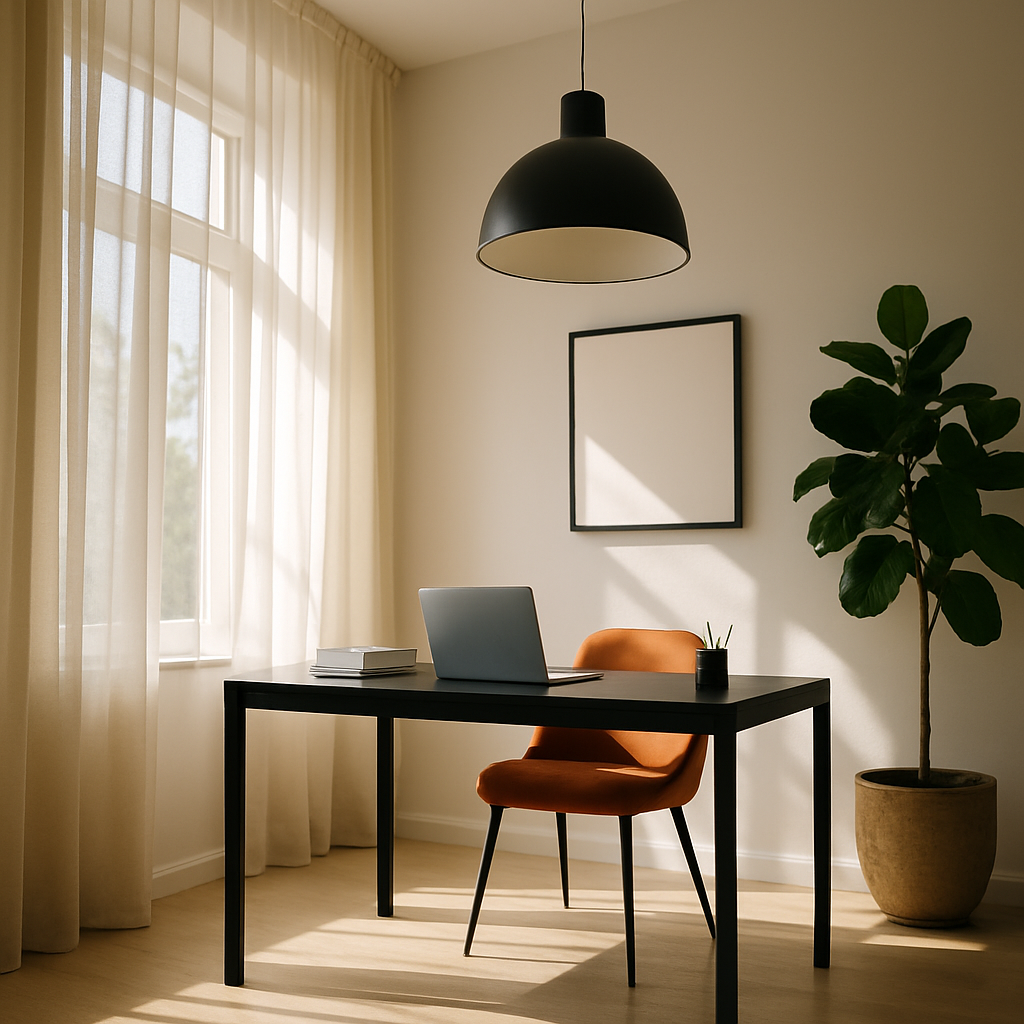
What if the key to boosting workplace productivity was as simple as a redesign? Recent studies suggest that well-designed office spaces can increase productivity by up to 20%. As we move deeper into the 2020s, the world of office interior design is undergoing a significant transformation. In this article, we'll explore the creative trends that are reshaping workspaces, making them more functional, stylish, and conducive to creativity. We'll delve into foundational design principles, analyze current trends with real data, and provide actionable strategies to implement in your own office. Whether you're redesigning a corporate headquarters or a home office, these insights will help you create a workspace that inspires.
Understanding the Foundations of Modern Office Design
Before diving into the trends, it's essential to understand the foundational concepts of modern office design. One pivotal idea is the integration of biophilic design, which emphasizes the use of natural elements such as plants, natural light, and organic materials. According to the International Interior Design Association (IIDA), biophilic elements not only enhance aesthetic appeal but also improve employee well-being and productivity. This is particularly relevant as more companies recognize the importance of mental health in the workplace.
Another critical concept is the shift towards flexible workspaces. Traditional rigid office layouts are giving way to adaptable environments that can be reconfigured easily to suit different tasks and team dynamics. This flexibility is supported by modular furniture solutions that allow spaces to transform quickly and efficiently. The American Society of Interior Designers (ASID) notes that flexibility in design is crucial for accommodating the increasingly diverse needs of the modern workforce.
Finally, the rise of minimalism in office design cannot be overlooked. Minimalist spaces emphasize clean lines, order, and simplicity, which can help reduce distractions and promote focus. This design philosophy is particularly suited to smaller office spaces where maximizing functionality without clutter becomes paramount. As we transition into the next section, we'll see how these foundational ideas manifest in current design trends.
Current Trends in Office Interior Design
Among the most notable trends is the incorporation of quiet luxury into office spaces. Quiet luxury refers to understated elegance and high-quality materials rather than ostentatious displays. This trend is gaining traction as businesses aim to create sophisticated environments that reflect their brand values subtly. According to industry surveys, such designs can significantly boost client and employee perceptions of a company's professionalism.
Another trend reshaping office interiors is the move toward sustainable design. This involves using eco-friendly materials, energy-efficient lighting, and sustainable furniture options. The National Council for Interior Design Qualification (NCIDQ) underscores that sustainability is not just about the environment but also about creating spaces that support human health. Offices designed with sustainability in mind often report higher employee satisfaction and lower operating costs.
Technology integration is also pivotal, with smart office solutions becoming more prevalent. These include automated lighting, climate control systems, and even AI-driven workspace management tools. The seamless integration of technology into office design is essential for enhancing both efficiency and the user experience. As we explore actionable strategies in the next section, consider how these trends might influence your own workspace redesign.
Actionable Strategies for Your Office Redesign
Are you ready to transform your workspace but not sure where to start? Begin by assessing your current office environment and identifying areas for improvement. Consider conducting a survey with your team to gather feedback on what works and what doesn't. This data can provide valuable insights into the specific needs and preferences of your workforce, guiding your design decisions.
Next, prioritize the integration of flexible workspaces. Invest in modular furniture that can be easily reconfigured. This not only supports dynamic work styles but also future-proofs your office against changes in team size and function. Experienced professionals often note that the ability to adapt quickly is crucial in today's fast-paced business environment.
Finally, incorporate technology that enhances productivity and comfort. Implement smart lighting systems that adjust based on natural light availability, and consider installing ergonomic furniture that promotes healthy postures. These changes may seem minor, but they can have a significant impact on employee wellness and efficiency. As we move into expert-level details, you'll gain deeper insights into optimizing your office design.
Expert Insights into Office Design
For those looking to delve deeper, collaborating with certified interior designers who hold credentials from organizations like NCIDQ or ASID can be incredibly beneficial. These experts bring a wealth of knowledge and experience, ensuring that your office design not only meets aesthetic goals but also adheres to industry standards and best practices. They can provide tailored solutions that address specific challenges unique to your workspace.
Another expert recommendation is to focus on acoustic design. In open-plan offices, managing noise levels is crucial for maintaining concentration and reducing stress. Acoustic panels, soundproofing materials, and strategic layout planning can mitigate noise pollution, creating a more conducive environment for focused work. According to the American Institute of Architects (AIA), well-considered acoustic design can enhance overall workplace satisfaction.
Finally, consider the psychological impact of color and lighting in your office design. Colors can influence mood and productivity, with blues and greens often cited for their calming effects, while yellows can stimulate creativity. Similarly, lighting should be optimized for the tasks at hand; for example, warmer tones for relaxation areas and cooler, brighter lights for meeting rooms. As we look at additional details in the next section, these expert insights will help you refine your design approach.
Additional Depth: The Role of Personalization
One of the most impactful ways to enhance your workspace is through personalization. Allowing employees to personalize their workspaces can increase job satisfaction and foster a sense of ownership. This could be as simple as letting employees choose their desk plants or customize their digital workspaces with preferred software tools and desktop backgrounds.
Furthermore, consider the role of artwork and decor in your office. Art can be a powerful tool for expressing company culture and values. It can also serve as a conversation starter and a source of inspiration. When selecting art, opt for pieces that resonate with your brand and can be rotated periodically to keep the environment fresh and engaging.
Lastly, don't overlook the importance of communal spaces. These areas should encourage collaboration and relaxation, offering a break from the traditional desk setup. Comfortable seating, coffee stations, and interactive whiteboards can transform these spaces into hubs of creativity and innovation. As we conclude, consider how personalization and communal areas can enhance your office design.
Final Perspectives on Office Design Trends
Embracing the latest office design trends requires a balance between aesthetics, functionality, and employee well-being. As you consider a redesign, think about how these elements can coexist to create a harmonious workspace. Whether you're integrating biophilic design or smart technology, the goal is to craft an environment that supports your team's needs and reflects your company's ethos.
Ultimately, the success of your office design will depend on how well it meets the needs of your employees while aligning with your business objectives. Experienced professionals often emphasize the importance of ongoing evaluation and adaptability. Regularly seek feedback and be willing to make adjustments as necessary to ensure your office remains a productive and inspiring space.
Conclusion: Taking the Next Steps
In summary, transforming your workspace with creative office interior design trends can profoundly impact productivity, employee satisfaction, and brand perception. From understanding foundational concepts to implementing expert strategies, there are numerous ways to enhance your office environment. As you embark on this journey, remember that the most successful designs are those that evolve and adapt over time.
Are you ready to start your office transformation? Begin by browsing designer portfolios on platforms like Houzz or consulting with certified interior designers. Even a brief exploration can provide fresh ideas and insights. Start planning your redesign today-every step you take brings you closer to a workspace that truly works for you.


Comments
Post a Comment