The Future of Interior Design: Trends Every Designer Should Know
The Future of Interior Design: Trends Every Designer Should Know
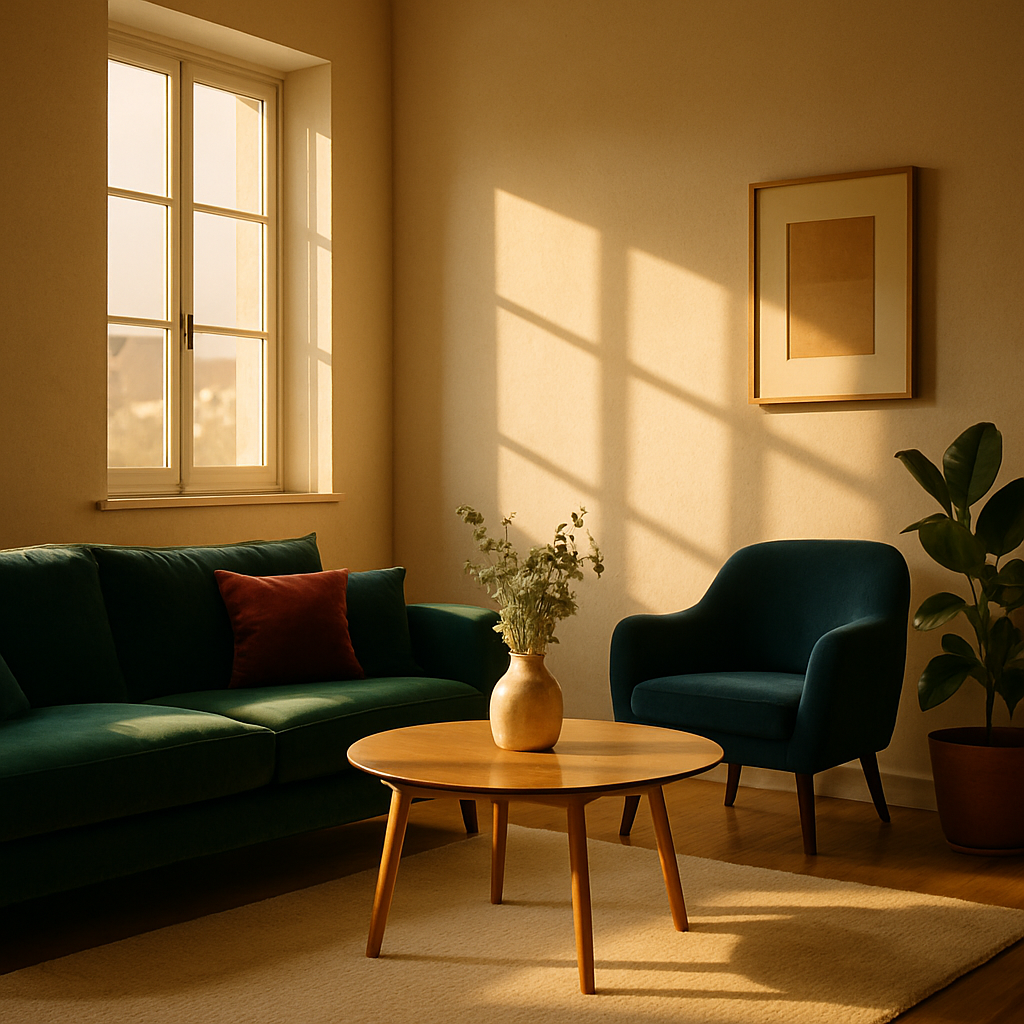
Have you ever walked into a space and felt an immediate sense of calm and inspiration? This reaction isn't just by chance-it's the result of carefully curated interior design. As we look forward, the future of interior design is evolving rapidly, driven by technological advancements and changing consumer preferences. In this article, we delve into the latest trends reshaping the industry, from biophilic design to smart home integration. We'll explore how these trends can enhance your projects and provide actionable strategies to implement them effectively.
Foundational Concepts in Modern Interior Design
To appreciate where interior design is headed, it's vital to understand the foundational concepts driving this evolution. One of the most prominent trends is **biophilic design**, which emphasizes the connection between indoor spaces and the natural environment. This approach is gaining traction as people increasingly seek harmony and tranquility within their homes. Elements such as natural materials, living walls, and an indoor-outdoor flow are becoming staples in modern design, reflecting a broader desire for sustainability and wellness.
Another key concept is the integration of **smart home technology**. As homes become more connected, the seamless incorporation of technology into design is no longer optional but essential. Automated lighting, climate control, and even window treatments can now be controlled via smartphone apps, offering unprecedented convenience and energy efficiency. This trend is not just about gadgets; it's about creating a cohesive, intelligent environment that enhances daily life.
Lastly, the rise of **Japandi style**, a blend of Japanese minimalism and Scandinavian warmth, highlights a shift towards simplicity and functionality. This design philosophy embraces clean lines, neutral palettes, and natural textures, promoting a sense of calm and balance. As you consider incorporating these concepts into your designs, ask yourself: how can you create spaces that not only look beautiful but also improve the quality of life for those who inhabit them?
Deeper Analysis: The Data Behind Design Trends
Understanding the data behind these trends can offer invaluable insights. According to a Houzz survey, homeowner spending on renovations has been steadily increasing, with a notable emphasis on design elements that enhance sustainability and smart technology. This aligns with findings from the ASID (American Society of Interior Designers), which reported that homes with smart technology and eco-friendly features can see a resale value increase of 5-15%.
The **demand for sustainable materials** is also supported by data. A report by the IIDA (International Interior Design Association) found that over 70% of designers have seen increased client interest in sustainable and reclaimed materials. This shift is not just a trend but a reflection of a broader societal move towards environmental responsibility. As designers, incorporating these materials helps meet client expectations and contributes to a more sustainable future.
Moreover, the integration of advanced visualization tools like AR/VR in the design process is changing how projects are conceptualized and presented. These tools allow clients to virtually "walk through" their redesigned spaces before any physical changes occur, enhancing satisfaction and reducing costly revisions. How might incorporating such technology improve your client interactions and project outcomes?
Actionable Strategies for Designers
So, how can you effectively implement these trends in your projects? Start by incorporating biophilic elements. Use natural materials such as wood, stone, and plants to create spaces that feel alive and rejuvenating. Consider installing large windows or skylights to maximize natural light, creating a seamless indoor-outdoor experience that promotes well-being.
When it comes to smart technology, begin with the basics. Integrate smart lighting solutions that allow for customizable ambiance settings-ideal for transforming spaces from work environments to relaxation havens at the touch of a button. Additionally, smart thermostats can regulate temperature efficiently, reducing energy consumption and enhancing comfort.
For those interested in Japandi style, focus on decluttering and functionality. Choose furniture that is not only aesthetically pleasing but also practical, with hidden storage or multi-functional uses. Stick to a neutral color palette with occasional pops of color through accessories, ensuring a cohesive and soothing design. How can you blend these elements to create a space that is both stylish and functional?
Expert-Level Detail: Navigating Design Certifications and Credentials
As you navigate these trends, understanding the importance of design certifications can set you apart in a competitive field. **Certified interior designers**, those who hold credentials like the NCIDQ (National Council for Interior Design Qualification), ASID, or IIDA, have undergone rigorous training and testing. These certifications assure clients of a designer's competence and adherence to industry standards.
Furthermore, understanding fee structures can enhance your client relationships. Projects can be billed using a flat fee, hourly rate (typically ranging from $150 to $500 per hour), or as a percentage of the total project cost, usually between 10-25%. It's crucial to communicate these options clearly to clients, ensuring transparency and trust. How does your fee structure align with industry standards, and could adjustments improve client satisfaction?
Experienced professionals often note the importance of staying current with continuing education. Attending design expos, workshops, and webinars hosted by organizations like the AIA (American Institute of Architects) can keep your skills sharp and your knowledge up-to-date. This commitment to professional development not only enhances your design capabilities but also positions you as a leader in the industry.
Additional Depth: The Role of Visualization Tools
Visualization tools like AR (Augmented Reality) and VR (Virtual Reality) have revolutionized how designers present ideas. These technologies allow clients to experience a virtual tour of their future space, providing a realistic sense of scale, color, and texture. This immersive experience can significantly enhance client confidence and engagement.
Platforms such as Pinterest and Instagram serve as powerful tools for visual inspiration and portfolio building. These platforms enable designers to showcase their work to a broader audience, attract potential clients, and stay inspired by the latest trends. Maintaining an active presence on these platforms can be a game-changer in how you market your services.
As you integrate these tools into your practice, consider how they can enhance your design process. Can virtual walkthroughs reduce client hesitations? Will a strong social media presence expand your reach? By leveraging technology, you can offer an unparalleled design experience that resonates with modern clients.
Final Perspectives on the Future of Interior Design
The future of interior design is a dynamic and exciting landscape, shaped by innovation and evolving client expectations. As trends like biophilic design, smart home integration, and Japandi continue to gain momentum, designers must adapt and incorporate these elements to remain relevant. The ability to balance aesthetics with functionality will define successful projects in the coming years.
As you look to the future, consider how these insights can shape your approach to design. Are there opportunities to enhance your current projects with these trends? How can you position yourself as a forward-thinking designer ready to meet the demands of tomorrow's clients? The answers to these questions will guide your growth and success in this ever-evolving field.
Conclusion: Embrace the Trends and Lead the Way
In summary, the future of interior design is rich with opportunities for those willing to embrace change. By understanding and implementing the latest trends, you can create spaces that are not only beautiful but also functional and future-proof. Whether it's through sustainable materials, smart technology, or innovative visualization tools, the potential for transformation is immense.
Start by browsing portfolios on platforms like Houzz this week-spending even 20 minutes on research can sharpen your eye for emerging styles. Embrace the trends that resonate with you and your clients, and don't hesitate to incorporate them into your next project. By staying informed and adaptable, you can lead the way in shaping the future of interior design.


Comments
Post a Comment