Transform Your Space with Julie Jones' Innovative Interior Design Tips
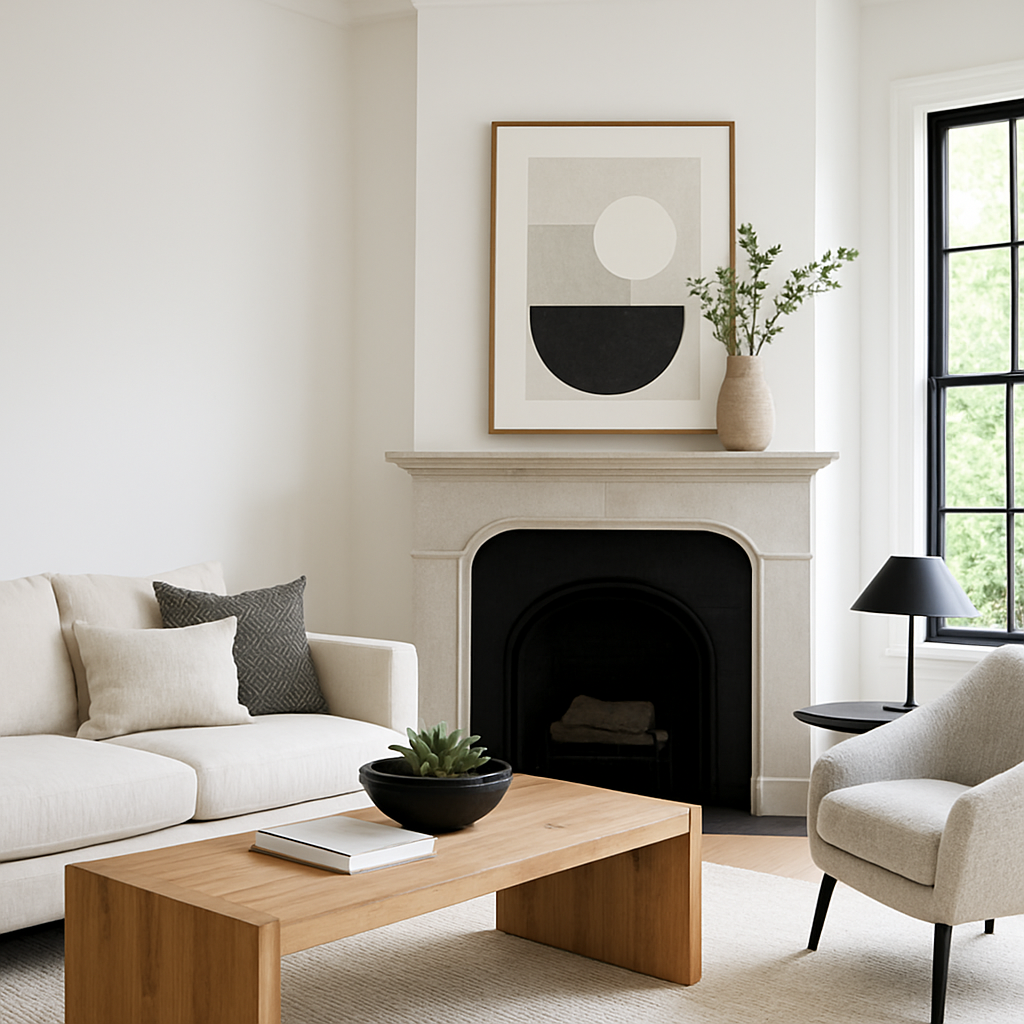
Imagine walking into a room that instantly feels like home-every piece of furniture perfectly placed, colors harmonizing effortlessly, and natural light accentuating every detail. This isn't just a dream; it's the reality Julie Jones helps her clients achieve with her innovative interior design tips. As trends evolve, so does the need for adaptable yet stylish design solutions. With a focus on creating both beautiful and functional spaces, Julie Jones offers insights that cater to homeowners eager to elevate their living environments. In this article, we delve into foundational design concepts, examine industry data, and explore actionable strategies, all while cushioning these insights with expert-level detail and additional depth. By the end, you'll be equipped with the knowledge to transform your own space.
Understanding Foundational Design Concepts
Before diving into specific tips and tricks, it's essential to grasp some foundational interior design concepts. One of the first principles Julie Jones emphasizes is the importance of spatial awareness. Understanding how space functions and how people move within it can dramatically affect the design outcome. Whether it's an open-plan living area or a compact studio apartment, mapping out spatial flow is crucial. Experienced professionals often note that a well-thought-out floor plan can make a room feel larger and more inviting.
Color theory is another cornerstone in the design process. Julie often advises her clients to consider the psychology of color when selecting a palette. Colors can evoke emotions and set the tone for a space. For instance, blues and greens are calming, making them ideal for bedrooms, whereas vibrant reds and oranges can energize a space like a kitchen or living room. According to research from the American Society of Interior Designers (ASID), 60% of people report feeling significantly impacted by the color schemes in their environments.
Lastly, the concept of "scale and proportion" should never be overlooked. Julie stresses the balance between different elements in a room. A large sofa in a small room can dominate the space, whereas too many small pieces can make a large room feel cluttered. Understanding this balance ensures that every piece of furniture and decor item complements rather than competes with each other. These foundational concepts set the stage for more detailed insights and strategies that follow.
Analyzing Design Trends and Data
Design trends are constantly evolving, and staying updated can be a challenge. However, understanding these trends can significantly enhance your home's aesthetic and value. According to Houzz's annual survey data, homeowners increasingly favor biophilic design-a concept that integrates natural elements like living walls and indoor-outdoor flow to create a serene environment. This trend not only enhances aesthetic appeal but also contributes to mental well-being by bringing the outdoors in.
Another noteworthy trend is the rise of smart home integration. From automated lighting and climate control to advanced security systems, smart technology is becoming a staple in modern homes. A study by the National Association of Home Builders found that 58% of homeowners are interested in smart home technologies that can enhance both security and convenience. Julie Jones often incorporates these technologies into her designs, ensuring that the homes she creates are both forward-thinking and functional.
The concept of sustainable design is also gaining traction, with more homeowners seeking eco-friendly materials. Julie utilizes reclaimed wood and repurposed metals to minimize environmental impact. The International Interior Design Association (IIDA) supports this movement, highlighting that sustainable design not only benefits the environment but can also increase a property's value. Understanding these trends allows homeowners to make informed design choices that are both stylish and sustainable.
Implementing Actionable Design Strategies
With foundational concepts and trends in mind, it's time to explore actionable design strategies that Julie Jones swears by. One of her top recommendations is to start with a mood board. Platforms like Pinterest and Instagram are excellent resources for gathering inspiration and defining your style. Curating images of spaces, colors, and textures that resonate with you can help streamline the design process. Are you currently using these platforms to refine your design vision?
Next, consider the practicality of your space. Julie advises homeowners to analyze how they actually use each room. Is the kitchen primarily for cooking, or is it a family gathering spot? Do the kids do homework in the dining area? By understanding the functionality of each space, you can make design decisions that enhance its usability. For instance, incorporating multi-functional furniture can be a game-changer in smaller spaces.
Lighting is another critical aspect that can transform any room. Julie often layers different types of lighting-ambient, task, and accent-to create a dynamic and inviting atmosphere. According to the American Institute of Architects (AIA), well-executed lighting design can enhance a home's appeal and increase its value by up to 20%. Investing in quality lighting fixtures is a strategy that pays off both aesthetically and financially.
Delving into Expert-Level Insights
For those seeking a deeper understanding, Julie Jones provides expert-level insights that go beyond basic design principles. One such insight is the importance of texture in creating a cohesive space. Mixing different materials such as wood, metal, and fabric can add depth and interest to a room. Julie often combines smooth and rough textures to create visual contrast, a technique that adds sophistication and complexity to her designs.
Incorporating statement pieces is another advanced strategy. Julie emphasizes that a bold piece of art or a unique piece of furniture can serve as a focal point in a room, drawing attention and sparking conversation. This technique is particularly effective in minimalistic designs, where a single statement piece can elevate the entire space. She often sources these pieces from local artisans, ensuring they are both unique and meaningful.
Finally, Julie recommends personalizing your space with elements that reflect your personality and lifestyle. Whether it's a gallery wall of family photos or a collection of travel souvenirs, personal touches make a space truly yours. The National Council for Interior Design Qualification (NCIDQ) professionals highlight that personalization not only enhances comfort but also fosters a deeper connection to the space. These expert insights enable homeowners to create spaces that are not only aesthetically pleasing but also deeply personal.
Exploring Additional Design Layers
To add even more depth to your design strategy, consider layering various design elements. Julie Jones suggests starting with a neutral base and gradually incorporating layers of color, texture, and pattern. This approach allows flexibility, enabling you to update your space easily as trends change or as your taste evolves. Have you considered how layering can add dimension and interest to your home?
Julie also recommends experimenting with different styles to create a unique aesthetic. Combining elements of Japandi-a fusion of Japanese minimalism and Scandinavian warmth-can result in a tranquil yet inviting space. This style emphasizes clean lines, natural materials, and a muted color palette, offering a serene backdrop for everyday life. Mixing styles can create a harmonious blend that feels both modern and timeless.
Finally, Julie underscores the importance of regular design maintenance. Keeping your space fresh and functional requires occasional updates and rearrangements. This could be as simple as swapping out seasonal decor or as involved as refreshing paint colors. The key is to remain adaptable, ensuring your space continues to meet your needs and reflect your personal style. This proactive approach to design ensures your home remains a true reflection of you.
Final Perspectives on Transformative Design
As we reach the culmination of Julie Jones' design insights, it's clear that transforming your space is an ongoing journey rather than a one-time project. The ideas discussed here provide a framework for creating environments that are not only stylish but also deeply functional. Julie emphasizes that staying informed about current trends and being open to new strategies is crucial for maintaining a dynamic and inviting home.
It's also important to remember that design is deeply personal. What works for one person might not work for another. Julie encourages homeowners to trust their instincts and make choices that resonate with their individual preferences and lifestyles. After all, your home should be a reflection of who you are and what you value. Have you identified the elements that make your space uniquely yours?
Ultimately, the goal of interior design is to enhance your quality of life. By applying Julie's innovative tips, you can create a space that not only looks beautiful but also supports your daily activities and well-being. With a thoughtful approach, your home can become a sanctuary that nurtures and inspires.
Conclusion
In conclusion, transforming your space with Julie Jones' innovative interior design tips involves a blend of foundational concepts, actionable strategies, and expert insights. By understanding spatial dynamics, embracing current trends, and incorporating personal touches, you can create a home that is both functional and aesthetically pleasing. As you embark on your design journey, remember to stay curious and open to new ideas.
Are you ready to take the first step towards transforming your space? Start by browsing portfolios on platforms like Houzz and Instagram this week-spending even 20 minutes on research can sharpen your eye for what you truly want. With Julie's guidance, your dream home is within reach. Embrace the process, and watch as your space transforms into a true reflection of your style and personality.


Comments
Post a Comment