Transform Your Space: The Ultimate Guide to Modern Interior Design Trends
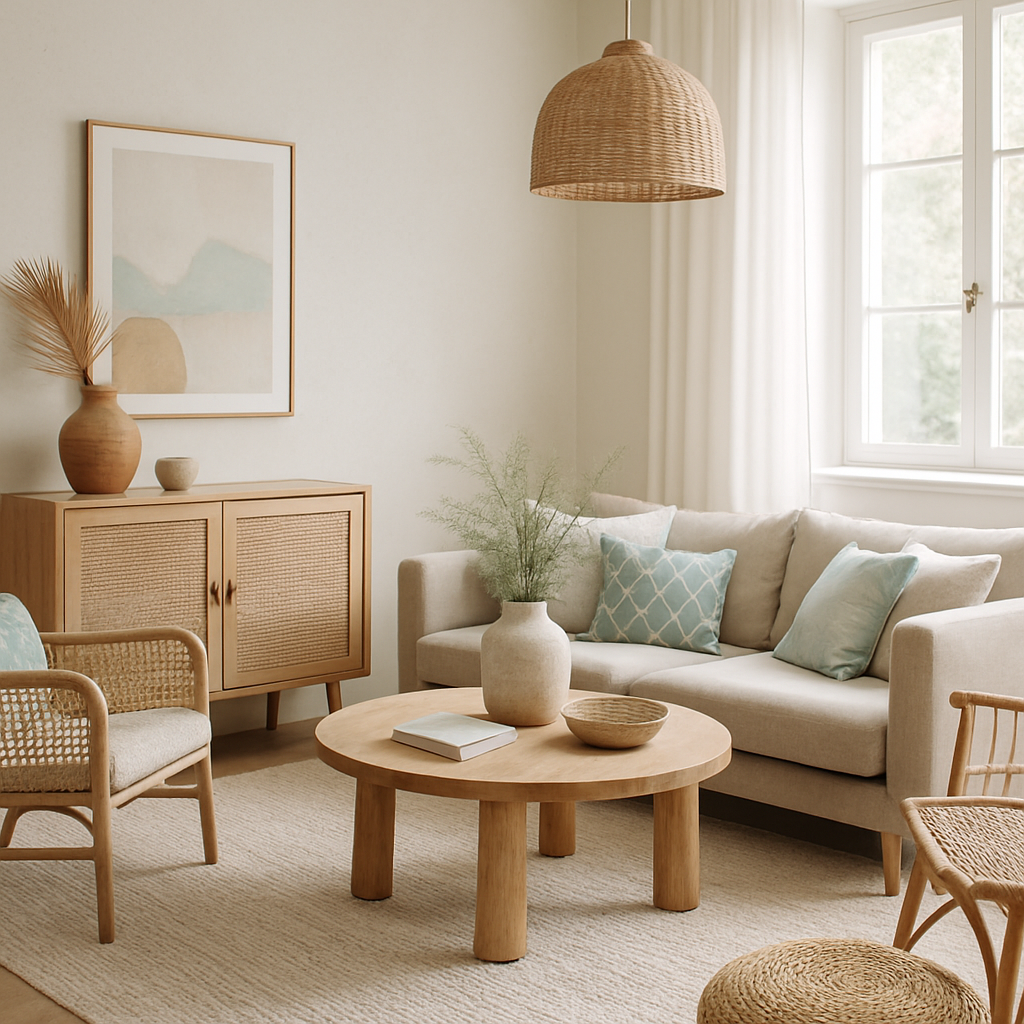
Have you ever walked into a room and immediately felt a sense of calm or excitement? That transformative power is the essence of modern interior design, a field that continues to evolve with new trends each year. As we step into 2026, the interior design landscape is seeing a blend of technology, sustainability, and understated elegance. This guide will explore the foundational concepts of these trends, offer deeper analysis backed by data, and provide actionable strategies to help you transform your space. Whether you're updating a single room or embarking on a full-home redesign, understanding these modern trends is key to creating an environment that reflects your style and meets your functional needs.
Foundational Concepts of Modern Interior Design
At its core, modern interior design emphasizes simplicity, functionality, and the use of clean lines. The philosophy is rooted in the idea that less is more, focusing on the quality of materials and minimalist aesthetics. The use of open spaces, large windows, and neutral color palettes is prevalent, creating an airy and inviting atmosphere. This approach not only maximizes the natural light but also enhances the overall mood of a space, making it more livable and pleasant.
One of the primary trends in 2026 is the integration of biophilic design, which leverages natural materials and elements to create a connection with nature. This can include the use of living walls, indoor plants, and natural fibers, promoting mental well-being and environmental sustainability. According to the American Society of Interior Designers (ASID), spaces that incorporate natural elements have been shown to increase productivity and reduce stress levels among occupants.
Another foundational concept is the adoption of smart home technology, which allows for greater control and customization of living environments. From automated lighting and climate control to smart window treatments, these technologies offer convenience and energy efficiency. As these technologies become more affordable, their integration into modern design is becoming a standard rather than a luxury. Moving forward, these foundational concepts set the stage for a deeper exploration of how these elements can be applied in practice.
The Data Behind Modern Design Trends
Understanding the current trends in modern interior design requires a look at the data driving these changes. The annual Houzz survey indicates that homeowners are increasingly investing in sustainable and energy-efficient upgrades, with 47% planning to use sustainable materials in their renovations. This shift is not only environmentally conscious but also financially prudent, as sustainable upgrades can lead to significant cost savings over time.
Moreover, industry surveys suggest that homes with well-designed interiors can achieve a resale value increase of 5-15%. This statistic is a compelling reason for homeowners to invest in professional design services. Certified designers, particularly those with credentials from the NCIDQ (National Council for Interior Design Qualification), bring a wealth of expertise and can significantly enhance a property's aesthetic and market value.
Another trend highlighted by the data is the rise of Japandi design, a fusion of Japanese minimalism and Scandinavian warmth. This style offers a clean, uncluttered look that appeals to those seeking simplicity and comfort. The International Interior Design Association (IIDA) notes that this trend has gained traction due to its timeless appeal and the way it balances form and function. With these data points in mind, let's explore how you can apply these insights in your own home.
Actionable Strategies for Transforming Your Space
Are you ready to bring these trends into your home? Start by assessing your current space and identifying areas that could benefit from a modern update. Consider creating a mood board using platforms like Houzz or Pinterest to visualize ideas and gather inspiration. This step can help clarify your vision and highlight specific elements you wish to incorporate.
Once you have a clear vision, prioritize your updates by focusing on high-impact areas. For instance, the kitchen and living room often serve as focal points in a home. Investing in these spaces can yield the most significant return on investment. Consider integrating smart home technologies such as voice-activated lighting or a smart thermostat to enhance functionality and convenience.
If you're working with a designer, inquire about their experience with sustainable materials and smart technology integration. Experienced professionals often note that these elements not only modernize a space but also improve its long-term sustainability and efficiency. By collaborating with a certified designer, you can ensure that your updates are both stylish and practical. Now that you have actionable strategies, let's delve into some expert-level details for a deeper understanding.
Expert-Level Insights into Modern Design
When pursuing modern interior design, aligning with industry standards and certifications can greatly enhance your project's outcome. Working with certified designers who hold NCIDQ or ASID credentials ensures a level of professionalism and adherence to best practices. These designers have passed rigorous examinations and possess a comprehensive understanding of design principles, building codes, and project management.
Additionally, understanding the fee structures involved in hiring a professional can help you manage your budget effectively. Designers may charge a flat fee, an hourly rate (typically ranging from $150 to $500 per hour), or a percentage of the total project cost. Some may also apply procurement markups on furniture and materials, which can range from 10-25%. Thoroughly discussing these aspects upfront can prevent misunderstandings and ensure a smooth collaboration.
Another expert insight involves leveraging technology such as AR/VR room visualization tools. These tools allow you to virtually walk through designs before implementation, making it easier to make informed decisions. Architectural Digest's AD PRO network often highlights how these technologies are enhancing client-designer collaborations, leading to more satisfactory project outcomes. With these expert insights in mind, let's explore additional layers of depth in modern design.
Additional Depth: Embracing Emerging Trends
Embracing emerging trends can keep your space feeling fresh and relevant. One such trend is the concept of quiet luxury, which focuses on understated elegance and high-quality materials. This approach is gaining popularity among those who appreciate subtle sophistication and timeless appeal. Incorporating materials like marble, cashmere, and walnut can elevate a space without overwhelming it.
The movement towards sustainable and reclaimed materials is another area where modern design is evolving. Utilizing reclaimed wood or recycled textiles not only supports environmental sustainability but also adds character and history to your home. These materials often come with unique textures and colors that contribute to a distinctive aesthetic.
Finally, consider the growing trend of indoor-outdoor flow, which blurs the lines between interior and exterior spaces. This design approach can be achieved through large sliding doors, indoor gardens, or outdoor living areas that mirror interior styles. By embracing these trends, you can create a space that is not only modern but also deeply personal. As we wrap up, let's consider the final perspectives on achieving your ideal design.
Final Perspectives on Achieving Modern Design
As you embark on your journey to transform your space, remember that modern interior design is about more than just aesthetics. It's about creating a harmonious environment that reflects your personal style while incorporating the latest trends and innovations. Whether you are drawn to the simplicity of Japandi or the elegance of quiet luxury, there is a modern design approach that can elevate your home.
It's essential to remain open to new ideas and technologies that can enhance your living space. Smart home integrations, sustainable materials, and innovative design tools are all resources that can help you achieve a modern look. By staying informed and working with experienced professionals, you can ensure that your design choices are both stylish and functional.
Ultimately, the goal is to create a space that you love and that enhances your quality of life. With the insights and strategies discussed in this guide, you're well-equipped to embark on your interior design project. Ready to get started? Let's conclude with a call to action that will help you take the next step.
Conclusion
In conclusion, modern interior design trends for 2026 offer a diverse array of options to transform your space into a stylish and functional haven. By understanding foundational concepts, leveraging data insights, and applying actionable strategies, you can create an environment that truly reflects modern sensibilities. Whether you're integrating biophilic elements or embracing smart home technologies, the possibilities are vast.
Are you ready to take your first step in transforming your space? Start by browsing designer portfolios on platforms like Houzz this week. Even 20 minutes of research will sharpen your eye for what you want and connect you with professionals who can bring your vision to life. With the right guidance and inspiration, your modern interior design project awaits its transformation.


Comments
Post a Comment