How to Blend Functionality and Aesthetics in Modern Interior Design
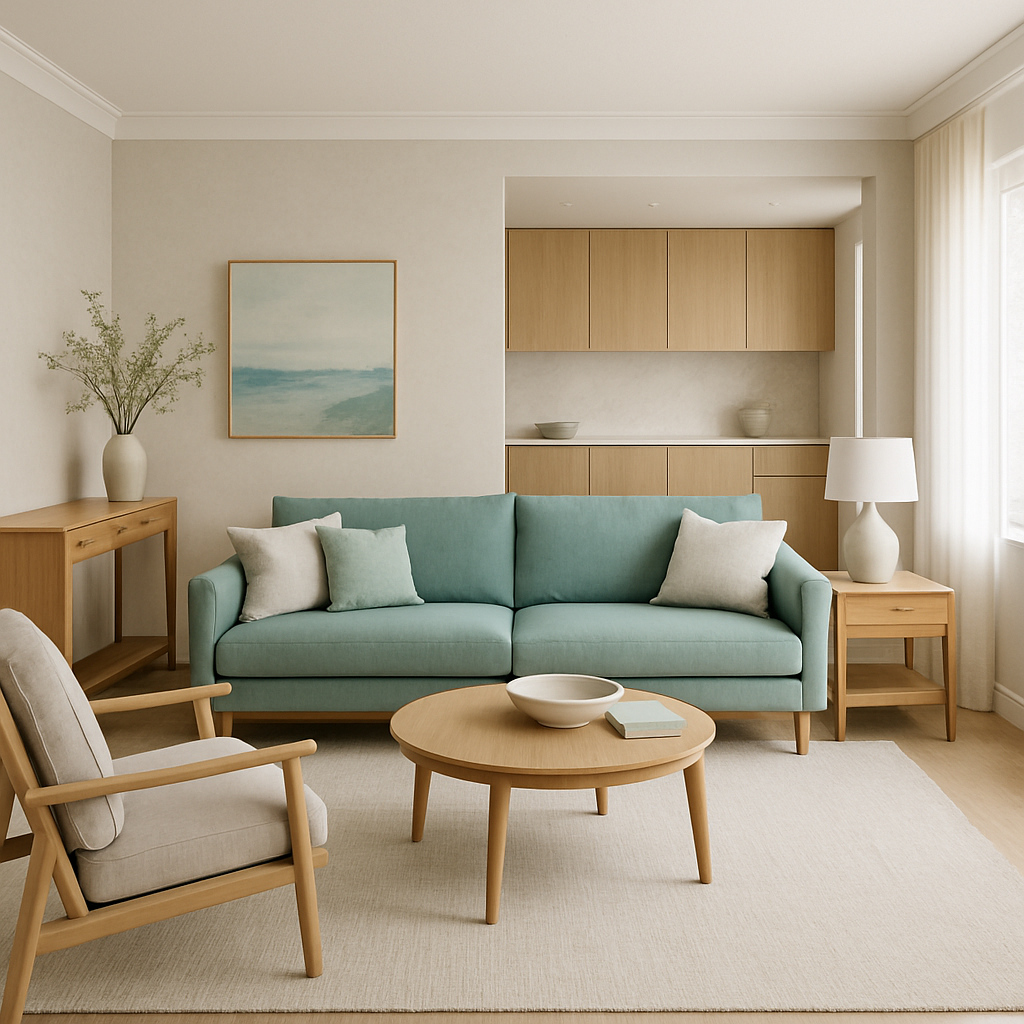
Imagine walking into a space that is not only visually stunning but also perfectly suited to your daily routines. According to recent surveys by Houzz, over 70% of homeowners prioritize functionality when redesigning their interiors, yet aesthetics remain a close second. This dual focus on function and form is at the heart of modern interior design, where the challenge lies in balancing these two crucial elements. In this article, we'll explore foundational concepts, dive into data-driven insights, and provide actionable strategies to help you achieve a harmonious blend of functionality and aesthetics in your home. From expert tips to the latest industry trends, you'll gain the knowledge needed to transform your living spaces into environments that are both beautiful and practical.
Understanding the Foundations of Modern Interior Design
At the core of modern interior design lies the seamless integration of functionality and aesthetics. This design philosophy emerged in the early 20th century, influenced by the Bauhaus movement, which emphasized the marriage of art and industry. The goal was to create spaces that were not only visually appealing but also served a practical purpose. Today, this ethos continues to resonate, particularly as living spaces become more compact and multifunctional.
One of the key principles in modern design is minimalism, which promotes simplicity and the use of clean lines. This approach not only enhances aesthetic appeal but also maximizes space efficiency. For instance, incorporating multifunctional furniture like a sofa bed or a dining table with built-in storage can significantly enhance the utility of a room without compromising on style. Do you often find yourself struggling to maintain a clutter-free home? Adopting minimalistic design strategies could be the solution.
Moreover, the use of neutral color palettes is a staple in modern design. These colors provide a versatile backdrop that can easily accommodate personal accents and seasonal decor changes. When combined with natural lighting, they create an inviting atmosphere that feels both open and serene. As you consider your design choices, think about how color and light can influence the mood and functionality of your space. This foundational understanding sets the stage for more advanced design considerations.
Data-Driven Insights: What Homeowners Value Most
Recent data from the American Society of Interior Designers (ASID) indicates a growing trend towards spaces that prioritize health, wellness, and sustainability. In fact, over 80% of surveyed homeowners expressed a desire for interiors that support a healthy lifestyle. This statistic underscores a shift towards biophilic design, which integrates natural elements like plants, water features, and organic materials to enhance well-being.
Furthermore, a Houzz annual survey reveals that homeowners are willing to invest significantly in their interiors, with average project budgets ranging from $5,000 to $15,000 for single-room redesigns. This financial commitment highlights the importance of making informed decisions that align with both aesthetic desires and functional needs. Are you considering a redesign? Understanding these spending trends can help you set realistic expectations and priorities.
Technology also plays a pivotal role in modern interior design. The integration of smart home systems, such as automated lighting and climate control, is becoming increasingly popular. These innovations not only enhance convenience but also contribute to energy efficiency, a key consideration for environmentally-conscious homeowners. By leveraging such technologies, designers can create spaces that are both cutting-edge and sustainable.
Actionable Strategies for Blending Form and Function
To successfully blend functionality and aesthetics, start by assessing your lifestyle needs. Consider how you use each room daily and identify any pain points. For example, if your kitchen doubles as a workspace, prioritize storage solutions that keep countertops clear while maintaining easy access to essentials. Experienced professionals often note that mapping out usage patterns is a crucial first step in effective design planning.
Next, focus on selecting versatile furniture that serves multiple purposes. A well-chosen piece can transform a space, offering both comfort and utility. Look for items with clean lines and neutral tones, which can adapt to various decor styles over time. For instance, a modular sofa can be reconfigured to suit different occasions, from family gatherings to solo relaxation.
Lighting is another critical element that impacts both function and aesthetics. Layered lighting, which combines ambient, task, and accent lighting, can dramatically alter the perception of a room. Use dimmable fixtures to adjust the mood according to the time of day or activity, ensuring that your space is as functional as it is inviting. Each of these strategies builds upon foundational knowledge and data insights, guiding you towards a cohesive design.
Expert Insights: Navigating Design Challenges
Certified interior designers, particularly those with NCIDQ (National Council for Interior Design Qualification) credentials, emphasize the importance of a holistic design approach. This involves considering not just individual elements but how they interact within a space. For example, the placement of furniture affects traffic flow, which in turn influences both usability and visual appeal.
Another common challenge is balancing personal style with broader design trends. While it's tempting to follow popular aesthetics, such as the current Japandi trend-which merges Japanese minimalism with Scandinavian warmth-it's crucial to ensure that these choices align with your practical needs. Professionals often recommend incorporating trends in small, adaptable ways, such as through accessories or accent walls, to avoid costly overhauls as styles evolve.
The procurement phase is also a point where functionality and aesthetics must align. Designers frequently work with suppliers to source materials and furnishings that meet both design specifications and budget constraints. By understanding the nuances of this process, you can better communicate your vision and achieve a successful outcome. Each of these expert insights provides valuable guidance as you navigate the complexities of interior design.
Expanding Your Design Knowledge
In addition to foundational knowledge and expert advice, expanding your design knowledge can further enhance your ability to blend functionality and aesthetics. Platforms like Houzz and Pinterest offer a wealth of resources, from designer portfolios to user-generated content that can spark inspiration and provide practical examples.
Attending workshops or webinars hosted by organizations like the International Interior Design Association (IIDA) can also deepen your understanding of current trends and techniques. These events often feature presentations from industry leaders who share their insights on emerging practices, such as the integration of AR/VR tools for room visualization. Have you explored these resources to refine your design skills?
Finally, consider networking with local professionals through AIA (American Institute of Architects) chapters. Engaging with experienced designers can offer new perspectives and advice tailored to your specific projects. By continuously learning and adapting, you'll be well-equipped to tackle any design challenge with confidence and flair.
Final Perspectives on Design Integration
Ultimately, the goal of modern interior design is to create spaces that are both beautiful and functional. By understanding the foundational principles, leveraging data-driven insights, and applying actionable strategies, you can achieve a harmonious balance in your home. Remember that design is an evolving process, one that benefits from ongoing learning and adaptation.
As you embark on your design journey, remain open to new ideas and be willing to experiment with different approaches. Whether you're redesigning a single room or an entire home, the ability to blend form and function will result in spaces that truly enhance your quality of life. Reflect on how these principles can be applied to your own projects, and consider the impact on your daily routines and overall well-being.
Conclusion: Next Steps in Your Design Journey
Blending functionality and aesthetics in modern interior design requires a thoughtful approach and a willingness to embrace new ideas. By applying the strategies and insights discussed here, you'll be well on your way to creating spaces that are not only visually appealing but also enhance your everyday life. Have you identified the key areas in your home that need improvement?
As a next step, start by browsing portfolios on Houzz or Pinterest this week. Even 20 minutes of research will sharpen your eye for what you want and help you gather ideas that resonate with your personal style. Remember, the journey to a beautifully functional home is ongoing, and each step brings you closer to a space that reflects both your needs and your aesthetic vision.



Comments
Post a Comment