Transform Your Space: The Ultimate Guide to Interior Design Online
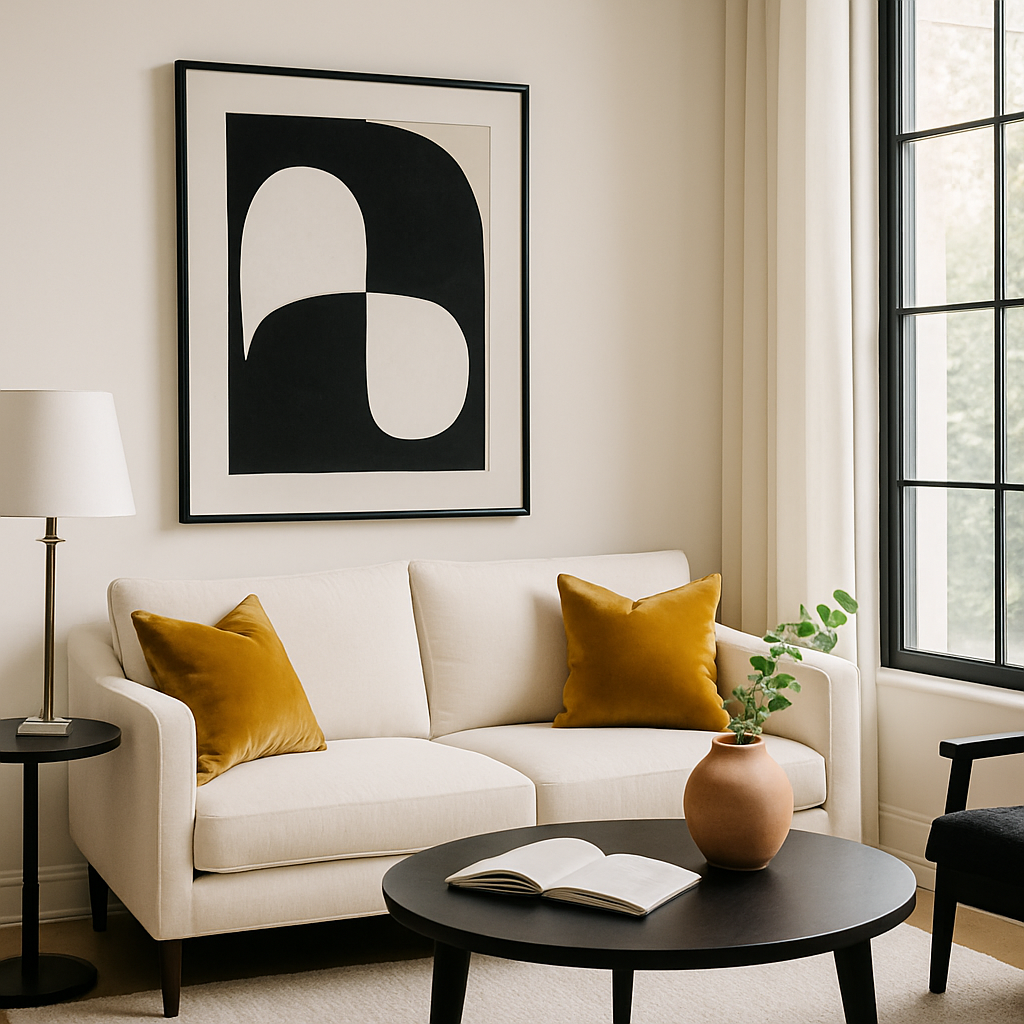
Imagine walking into a room that feels like it was designed just for you-a space that not only looks stunning but also serves your lifestyle seamlessly. This is the power of effective interior design, and, thanks to technology, it's now more accessible than ever. According to a survey by Houzz, 85% of homeowners reported that their home design was closely aligned with their personal style after consulting online design platforms. This guide will walk you through the process of transforming your space through online interior design, offering foundational concepts, deeper analyses, actionable strategies, expert insights, and more. Whether you're looking to revamp a single room or your entire home, this comprehensive resource is your key to success.
Understanding the Basics of Online Interior Design
The first step in transforming your space online is understanding the foundational concepts of interior design. Traditionally, interior design was a hands-on, in-person process requiring numerous meetings, site visits, and extensive paperwork. However, with the advent of digital platforms, this has changed dramatically. Online interior design platforms like Houzz and Decorilla now offer a streamlined, virtual alternative that connects you with professional designers from the comfort of your home. These platforms provide tools for concept development, design presentation, and even procurement, making the process more convenient and cost-effective.
Online interior design services typically begin with a detailed consultation. This stage involves discussions about your style preferences, functional needs, and budget constraints. The information gathered here forms the basis for your design plan. Experienced professionals often note that clarity at this stage is crucial for successful outcomes. It's essential to communicate your vision clearly and consider how each room's design will integrate with the rest of your home, creating a cohesive and harmonious living environment.
Once the consultation is complete, designers use a combination of mood boards, 3D renderings, and even augmented reality (AR) tools to present their ideas. These digital tools allow you to visualize the proposed changes in your actual space before any physical work begins. This stage is not just about aesthetics; it's where functionality meets style. After all, what good is a beautiful room if it doesn't cater to your everyday needs? With this understanding, we can delve deeper into how these platforms operate and what they offer.
The Digital Transformation of Interior Design
The shift to online interior design has been driven by several factors, one of which is the growing demand for personalized yet scalable solutions. According to a report by the American Society of Interior Designers (ASID), 75% of clients now prefer interactive, online consultations over traditional methods. This trend is fueled by digital efficiency and the ability to work with designers from across the globe, expanding your options beyond local talent. Platforms like Modsy and Havenly offer packages that cater to various budgets, providing everything from DIY design templates to full-service design with personalized consultations.
These platforms operate on a fee structure that varies significantly depending on the level of service. For instance, Modsy offers basic packages starting at $89, which include a single-room design with two style concepts. Meanwhile, comprehensive packages that include custom floor plans and detailed shopping lists can range from $299 to $499. This flexibility in pricing allows you to choose a service that best fits your needs and financial constraints. As you explore these options, it's important to remember that well-designed interiors can boost your home's resale value by 5-15%, making it a worthwhile investment.
Another compelling feature of online design platforms is their integration of smart home technology. From automated lighting solutions to climate control systems and smart window treatments, these advancements are shaping the future of home design. As you consider your design options, think about how smart technologies could enhance your living experience. Ready to take the next step? Let's look at how you can begin implementing these strategies in your home.
Practical Steps to Launch Your Online Design Journey
Before diving into online interior design, it's essential to prepare adequately. Start by evaluating your current space and identifying areas that require change. Are there rooms that feel cramped or underutilized? Is there a lack of cohesion in your home's overall aesthetic? Answering these questions will help you develop a clear vision for your project. Next, research various online platforms and their offerings. Each has unique strengths, so selecting the right one for your needs is crucial. Look for platforms with strong user reviews, an extensive portfolio, and a client-friendly interface.
Once you've chosen a platform, the design process begins with creating a detailed profile. This includes uploading photos of your space, sharing dimensions, and discussing your design preferences and budget. Houzz, for example, allows you to browse thousands of designer portfolios, offering inspiration and helping you identify styles that resonate with you. This stage is where your vision starts to take shape, guided by the expertise of a professional designer.
After the initial design proposal, you'll engage in a collaborative process to refine and finalize the plan. This often involves reviewing 3D renderings, selecting materials, and making adjustments to ensure the design aligns with your expectations. It's vital to maintain open communication with your designer throughout this phase, providing feedback and asking questions to clarify any uncertainties. Are you ready to engage with cutting-edge design techniques? Let's explore how you can leverage expert insights to refine your project further.
Elevating Your Design with Expert Insights
Working with certified interior designers, who hold credentials like the NCIDQ (National Council for Interior Design Qualification), can dramatically elevate your project. These professionals bring a wealth of knowledge and practical experience to the table, ensuring that every aspect of your design is executed to the highest standard. The NCIDQ credential, recognized as the gold standard in the industry, signifies a designer's proficiency in key areas such as building codes, design theory, and project management.
Experienced professionals often emphasize the importance of considering both aesthetics and functionality when designing a space. For instance, a biophilic design approach, which incorporates natural elements like living walls and organic materials, is currently trending. This style not only enhances visual appeal but also promotes well-being by creating a calming environment. It's a perfect example of how thoughtful design can improve quality of life while adding value to your home.
Another trend gaining traction is the integration of sustainable materials. Designers are increasingly turning to reclaimed wood, recycled metal, and eco-friendly fabrics to create beautiful, environmentally conscious interiors. This approach aligns with the growing demand for sustainable living and can be a unique selling point if you ever decide to sell your home. As you consider these expert insights, think about how they align with your design goals and budget. Are you curious about additional ways to deepen your understanding of interior design? Let's delve into some advanced concepts.
Exploring Advanced Design Concepts
Diving deeper into interior design, it's crucial to understand the various phases of a project. Typically, these include concept development, design presentation, procurement, installation, and styling. Each phase plays a critical role in bringing your vision to life, especially when managed through an online platform. Concept development is where your ideas begin to take shape, evolving into a cohesive plan that guides the rest of the project.
Design presentation involves showcasing the proposed plans through visual aids like mood boards and 3D renderings. This stage is crucial for assessing the feasibility of your ideas and making necessary adjustments. Procurement follows, during which designers source furniture, materials, and accessories. Online platforms often provide procurement services, streamlining the process and ensuring that all elements align with your design vision. Installation and styling are the final steps, where your space is transformed into the beautiful, functional area you envisioned.
For those looking to master these concepts, platforms like AD PRO from Architectural Digest offer in-depth resources and networking opportunities with industry professionals. Engaging with such communities can enhance your understanding of advanced design principles and keep you updated on the latest trends. As we wrap up this section, consider how these advanced concepts can refine your design approach. Ready to put it all together? Let's conclude with some final perspectives.
Final Thoughts on Your Design Journey
Embarking on an online interior design project is an exciting opportunity to transform your space while leveraging modern technology and expert insights. By understanding the foundational concepts, utilizing digital platforms, and applying practical strategies, you're well-equipped to create a home that reflects your personal style and meets your functional needs. As you continue this journey, remember the importance of staying open to new ideas and embracing current trends that resonate with you.
Designing a space online offers the flexibility to experiment and refine your vision until it aligns perfectly with your aspirations. Whether you're incorporating biophilic elements, integrating smart home technologies, or exploring sustainable materials, the possibilities are endless. As you move forward, keep these considerations in mind and remain proactive in seeking ways to enhance your design experience.
Conclusion: Your Next Steps in Interior Design
In summary, transforming your space through online interior design is a powerful way to create a personalized, functional home. By leveraging digital tools, engaging with certified professionals, and exploring advanced design strategies, you can achieve remarkable results. As you embark on this journey, take time to explore portfolios on platforms like Houzz and Modsy. Even dedicating just 20 minutes a week to research can sharpen your eye for what you want.
Are you ready to transform your space? Start today by mapping out your design goals and researching the platforms that best align with your needs. The possibilities are vast, and the potential for a beautifully designed home is just a few clicks away.



Comments
Post a Comment