Transform Your Space: Top Online Interior Design Trends for 2023
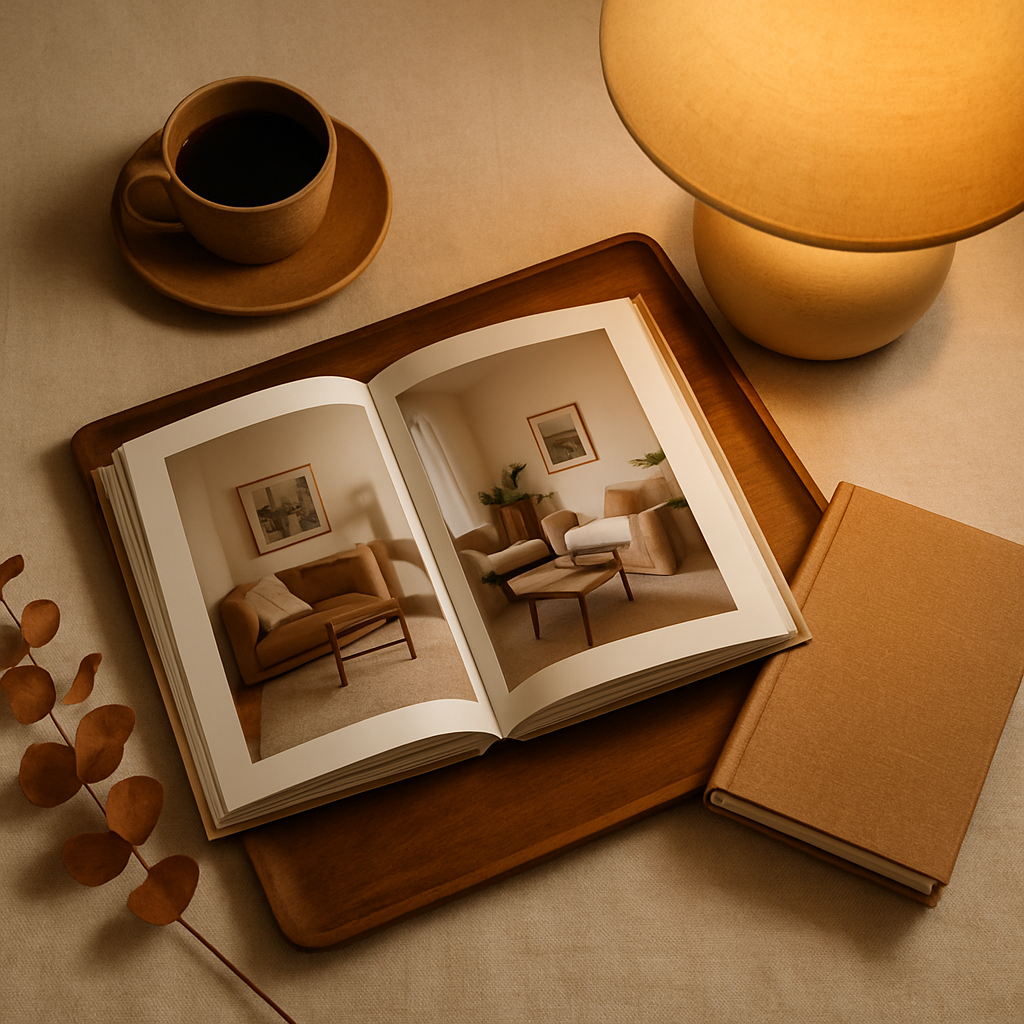
Have you ever walked into a room and felt an immediate sense of tranquility or excitement? That's the power of thoughtful interior design. According to the American Society of Interior Designers (ASID), a well-designed space can boost productivity by up to 25% and create a more harmonious environment for its occupants. The year 2023 is shaping up to be a transformative one in the world of interior design, with online trends leading the charge. In this article, we'll explore foundational concepts, delve into the latest data, and offer actionable strategies to help you transform your space. We'll also share expert-level insights and additional depth on the topic. Ready to elevate your living environment?
Foundational Concepts: Setting the Stage for Transformation
To begin your journey into transforming your space, it's essential to understand the foundational concepts of interior design. At its core, interior design balances functionality and aesthetics, creating environments that are both practical and visually appealing. This year, the emphasis is on biophilic design, a concept that integrates natural elements into indoor spaces to promote well-being and connection to the environment. Think living walls, natural light, and the use of organic materials like wood and stone.
Another foundational trend is the rise of quiet luxury, which combines understated elegance with high-quality materials. This approach focuses on subtle sophistication rather than ostentatious displays, aligning with a broader cultural shift towards sustainability and mindfulness. As consumers become more environmentally conscious, the demand for sustainable and reclaimed materials has surged, driving designers to innovate with eco-friendly solutions.
Lastly, the integration of technology, particularly smart home features, is becoming a staple in modern interior design. Automated lighting systems, climate control, and even smart window treatments are not only convenient but also contribute to energy efficiency. As you consider these foundational concepts, think about how they can be adapted to suit your personal style and the functional needs of your space.
Deeper Analysis: Data-Driven Insights into Design Trends
Understanding the current landscape of interior design requires a closer look at the data driving these trends. According to a recent Houzz survey, 58% of homeowners plan to implement smart technology in their home renovations this year, highlighting the growing importance of tech-savvy solutions. This trend is not just about convenience; it also reflects a desire for more energy-efficient homes as utility costs continue to rise.
Moreover, the demand for biophilic design is supported by research from the International WELL Building Institute, which found that access to natural elements can reduce stress and improve overall mental health. This is particularly relevant as more people work from home and seek ways to enhance their home office environments. Incorporating elements like indoor plants, natural light, and water features can create a more serene and productive workspace.
In terms of budget, the Houzz survey indicates that homeowners are increasingly willing to invest in their living spaces, with average renovation costs ranging from $5,000 for single-room updates to upwards of $50,000 for comprehensive home revamps. This willingness to invest underscores the value placed on creating living environments that not only meet functional needs but also enhance quality of life. As we transition to the next section, consider how these data points might influence your own design choices.
Actionable Strategies: Bringing Trends to Life
Now that you're equipped with foundational knowledge and data-driven insights, let's explore actionable strategies to transform your space. Start by conducting a thorough assessment of your home. Map out how you actually use each room - where you drop your keys, where the kids do homework, where you relax. This exercise will help identify areas that could benefit from a design overhaul.
Next, consider incorporating Japandi elements into your space. This fusion of Japanese minimalism and Scandinavian warmth emphasizes clean lines, neutral palettes, and functional furniture. Not only is this aesthetic visually appealing, but it also promotes a calm and clutter-free environment. You could start small by introducing minimalist storage solutions or neutral-toned textiles.
Finally, explore the use of AR/VR room visualization tools, which are becoming increasingly popular among interior designers. These tools allow you to experiment with different layouts, colors, and textures before making any physical changes. Platforms like Houzz and Pinterest offer virtual design tools that can help you envision your space in new and exciting ways. As you experiment with these strategies, think about how each element can enhance the overall harmony and functionality of your home.
Expert-Level Detail: Insights from the Pros
Experienced professionals often note that the most successful design projects are those that reflect the unique personality and lifestyle of their inhabitants. According to the National Council for Interior Design Qualification (NCIDQ), certified interior designers possess the expertise to tailor spaces that are both aesthetically pleasing and functionally sound. If you're considering a major redesign, consulting with a certified designer can provide invaluable guidance.
When working with a designer, it's important to understand the typical project phases: concept development, design presentation, procurement, installation, and styling. Each phase plays a crucial role in ensuring the final result aligns with your vision. During the concept development stage, for instance, designers will often create mood boards and sketches to capture the essence of your desired aesthetic.
Another aspect to consider is the fee structure. Designers may charge a flat fee, an hourly rate ranging from $150 to $500, or a percentage of the total project cost, typically 10-25%. Understanding these financial aspects upfront can help you budget effectively and avoid surprises. As you explore these expert insights, reflect on how professional guidance can elevate your project to new heights.
Additional Depth: Exploring More Design Dimensions
Beyond the primary trends discussed, several other dimensions are shaping the interior design landscape in 2023. The concept of indoor-outdoor flow is gaining traction, especially in regions with mild climates. By using large glass doors and natural materials, you can seamlessly blend your interior spaces with the outdoor environment, creating a cohesive and expansive feel.
Furthermore, sustainable design continues to be a key focus. From energy-efficient appliances to recycled materials, there are numerous ways to reduce your environmental footprint while enhancing your home's aesthetic appeal. Designers are increasingly sourcing furniture and decor from ethical brands committed to sustainable practices, ensuring that your home is as kind to the planet as it is beautiful.
Finally, consider the growing trend of multi-functional spaces. With many people working from home, creating areas that serve dual purposes - like a guest bedroom that doubles as an office - is becoming essential. Investing in versatile furniture pieces, such as fold-out desks or modular seating, can maximize space without compromising style. As we wrap up this exploration, think about how your space can adapt to meet your evolving needs.
Final Perspectives: Wrapping Up the Design Journey
As we conclude our journey through the top online interior design trends for 2023, it's clear that the possibilities for transforming your space are vast and varied. From embracing biophilic and smart home elements to leveraging professional expertise, the tools and strategies at your disposal are more advanced than ever before. The key is to approach design with an open mind and a willingness to experiment.
Remember, the ultimate goal of interior design is to create environments that enhance your lifestyle and well-being. Whether you're making small updates or embarking on a full-scale renovation, the choices you make can have a profound impact on your daily life. As you reflect on the insights shared here, consider taking the next step towards creating a home that truly resonates with you.
Conclusion: Taking Action Towards Transformation
In summary, 2023 presents a unique opportunity to transform your space with cutting-edge design trends. From biophilic elements to smart home technology, there are countless ways to elevate your living environment. As you embark on your design journey, remember to consider both aesthetic and functional elements, and don't hesitate to seek professional guidance when needed.
So, what's your first step? Start by browsing portfolios on platforms like Houzz this week - even 20 minutes of research will sharpen your eye for what you want. Whether you're planning a minor refresh or a major overhaul, the time to act is now. With the right approach, your home can become a sanctuary that reflects your personal style and enhances your quality of life.


Comments
Post a Comment