Transform Your Space: Top Interior Architecture Trends to Watch in 2023
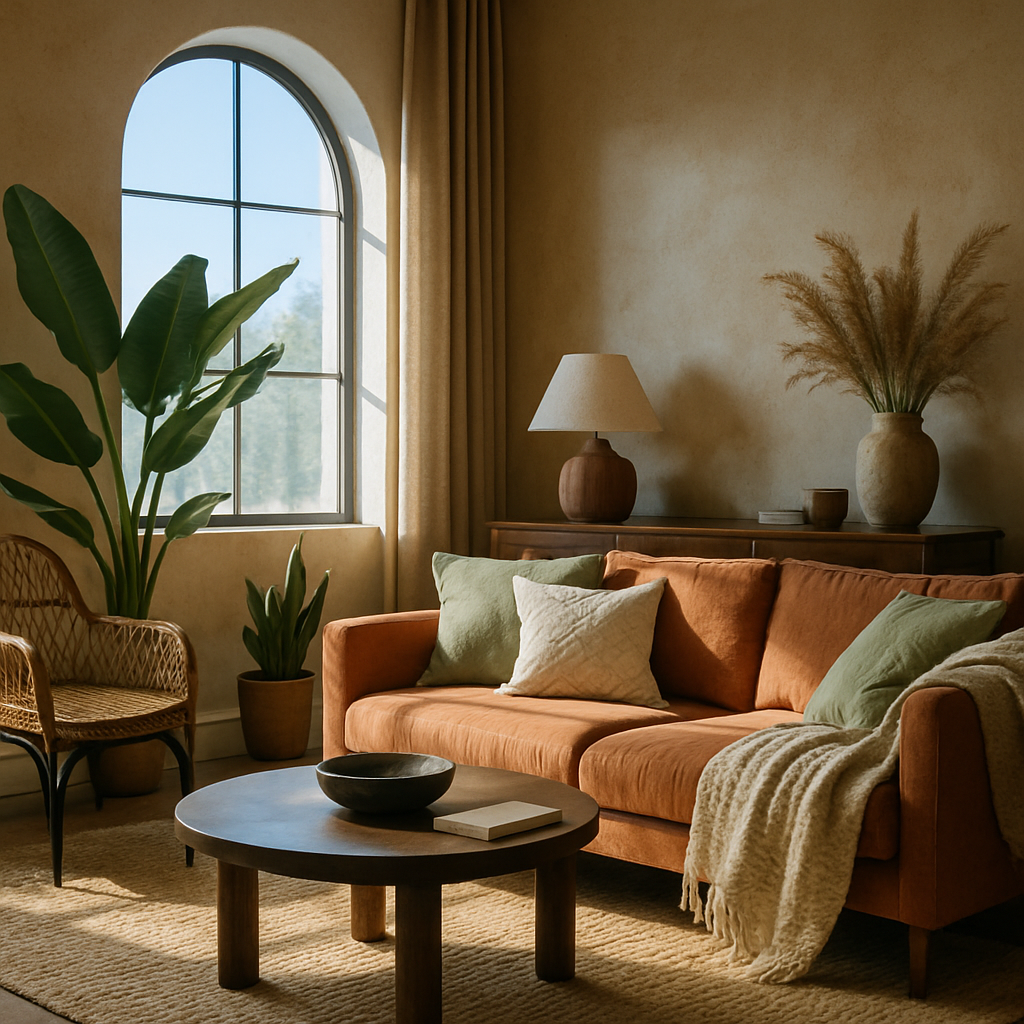
Did you know that a well-designed interior can increase your home's resale value by 5-15%? This insight highlights the power of interior architecture to transform not just spaces but also real estate value. As 2023 unfolds, we're witnessing a fascinating evolution in design trends that promise to redefine how we engage with our environments. From the allure of biophilic design to the seamless integration of smart home technology, the year ahead is set to challenge conventions and inspire innovation. This article will delve into these transformative trends, offering in-depth analysis and practical advice for those eager to refresh their spaces with the latest in design innovation.
Foundational Concepts in Interior Architecture
Before diving into the latest trends, it's crucial to understand the foundational concepts that underpin successful interior architecture. At the heart of any design project lies the principle of functionality. This involves mapping out how you use each room daily-identifying where you drop your keys or where the kids do homework. Functionality ensures that spaces not only look appealing but also serve the needs of those who inhabit them. Experienced professionals often note that a space that marries form and function is more likely to stand the test of time.
Another core concept is the balance between aesthetics and practicality. Aesthetic appeal draws you into a space, while practicality ensures it remains livable. This balance is particularly relevant as trends evolve, such as the rise of Japandi design, which combines the minimalist elegance of Japanese design with the cozy simplicity of Scandinavian style. This trend exemplifies how aesthetic refinement can harmonize with practical design elements.
The third foundational concept is sustainability. With increasing awareness of environmental impact, sustainable design is more important than ever. This involves the use of reclaimed materials, energy-efficient lighting, and eco-friendly finishes. The American Society of Interior Designers (ASID) has been at the forefront, encouraging designers to prioritize sustainability in their projects. As you consider updating your space, how might you incorporate sustainable materials into your design?
Deeper Analysis: Data-Driven Trends
The latest Houzz annual survey underscores a significant trend: homeowners are investing more in their interiors, with spending on renovations up by 15% from the previous year. This data suggests a growing recognition of the value of well-designed spaces. Among the top trends is the shift towards biophilic design-a response to the increasing desire to connect indoor spaces with nature. This trend emphasizes natural materials, indoor plants, and designs that promote a sense of well-being. Are you considering bringing more of the natural world into your home?
Smart home integration is another trend gaining momentum, with industry surveys indicating that over 60% of new homes in 2023 feature some form of smart technology. From automated window treatments to climate control systems, these innovations enhance convenience and efficiency. Platforms like Houzz provide endless inspiration, showcasing homes that seamlessly incorporate technology without sacrificing aesthetic appeal. The challenge lies in ensuring technology complements rather than overwhelms the design.
Finally, the concept of quiet luxury has taken center stage. This trend focuses on understated elegance, characterized by high-quality materials and subtle design elements that exude sophistication without ostentation. The International Interior Design Association (IIDA) notes that this trend reflects a broader cultural shift towards appreciating quality and craftsmanship over flashy displays. As you explore these trends, consider how subtle design choices can make a profound impact on your space.
Actionable Strategies for Implementing Trends
Integrating these trends into your home effectively requires thoughtful planning and execution. Start by assessing your space and identifying areas that could benefit from a design refresh. For instance, if you're drawn to biophilic design, consider incorporating elements like natural wood finishes or a living wall. Companies like Plant the Future offer innovative solutions for integrating greenery into interior spaces, bringing the benefits of nature indoors.
When it comes to smart home technology, begin with small, manageable changes. Installing smart lighting systems or smart thermostats can significantly enhance your home's functionality without necessitating a full-scale renovation. Platforms like AD PRO provide access to a network of professionals who can guide you through the process, ensuring seamless integration tailored to your lifestyle.
For those interested in quiet luxury, focus on materials and craftsmanship. Invest in high-quality, timeless pieces that add value to your space. This might include handcrafted furniture or artisanal textiles that offer both beauty and durability. Remember, the key to quiet luxury is subtlety-choose pieces that whisper elegance rather than shout opulence. How might a few carefully chosen items transform the atmosphere of your home?
Expert-Level Insight: The Role of Professionals
Engaging a certified interior designer can be invaluable when navigating these trends. Professionals with credentials such as the NCIDQ (National Council for Interior Design Qualification) bring a wealth of knowledge and experience to the table. They can help translate your vision into reality, ensuring every element of the design aligns with your goals and needs. The ASID directory is an excellent resource for finding qualified designers in your area.
Designers not only offer creative solutions but also manage the logistical aspects of a project. From procurement to installation, they ensure that every phase is executed smoothly. This comprehensive approach is particularly beneficial when incorporating complex elements like smart home systems or sustainable materials. A designer's expertise can also be instrumental in navigating budget constraints, helping you maximize your investment for the greatest impact.
Moreover, collaborating with a professional can provide access to exclusive resources and trade-only products. This access can elevate your project, introducing unique pieces and materials that are not readily available to the public. As you consider hiring a professional, think about how their expertise and resources could enhance your design process and outcome.
Additional Depth: Budgeting and Project Phases
Understanding the financial aspects of a design project is crucial for success. Projects can range from $5,000 to $15,000 for a single-room redesign to $50,000-$150,000 for comprehensive home transformations. Fees typically include a flat fee, hourly rate, or a percentage of the total project cost, with designers charging between $150 to $500 per hour. Being informed about these costs helps in setting realistic expectations and planning accordingly.
Design projects generally progress through several key phases: concept development, design presentation, procurement, installation, and styling. Each phase requires careful coordination and collaboration. By understanding these stages, you can better appreciate the complexity of transforming a space and the value that professional guidance brings. Platforms like Houzz offer insights into project timelines and what to expect at each stage, helping you feel more prepared.
As you embark on your design journey, remember that flexibility and communication are paramount. Design is an iterative process, and being open to adjustments can lead to the best outcomes. How can you ensure that each phase of your project aligns with your vision and goals?
Final Perspectives on Interior Architecture Trends
The trends we're seeing in 2023 represent more than just aesthetic shifts-they reflect broader changes in how we live and interact with our environments. As biophilic design, smart home integration, and quiet luxury become more prevalent, they offer opportunities to create spaces that are not only beautiful but also deeply personal and functional. These trends encourage us to think critically about the environments we inhabit and how they impact our well-being.
As you explore these trends, consider how they align with your lifestyle and values. Whether you're drawn to the calming effects of nature-inspired elements or the convenience of smart technology, the key is to create a space that resonates with you personally. The International Interior Design Association (IIDA) suggests that the most successful designs are those that reflect the unique character and needs of their inhabitants.
Embrace the chance to transform your space with intention and creativity. Start by browsing portfolios on Houzz this week-even 20 minutes of research will sharpen your eye for what you want. How might this exploration inspire your next design project? The possibilities are endless, and the impact on your daily life can be profound.



Comments
Post a Comment