Transform Your Space: Top Interior Design Classes Available Locally
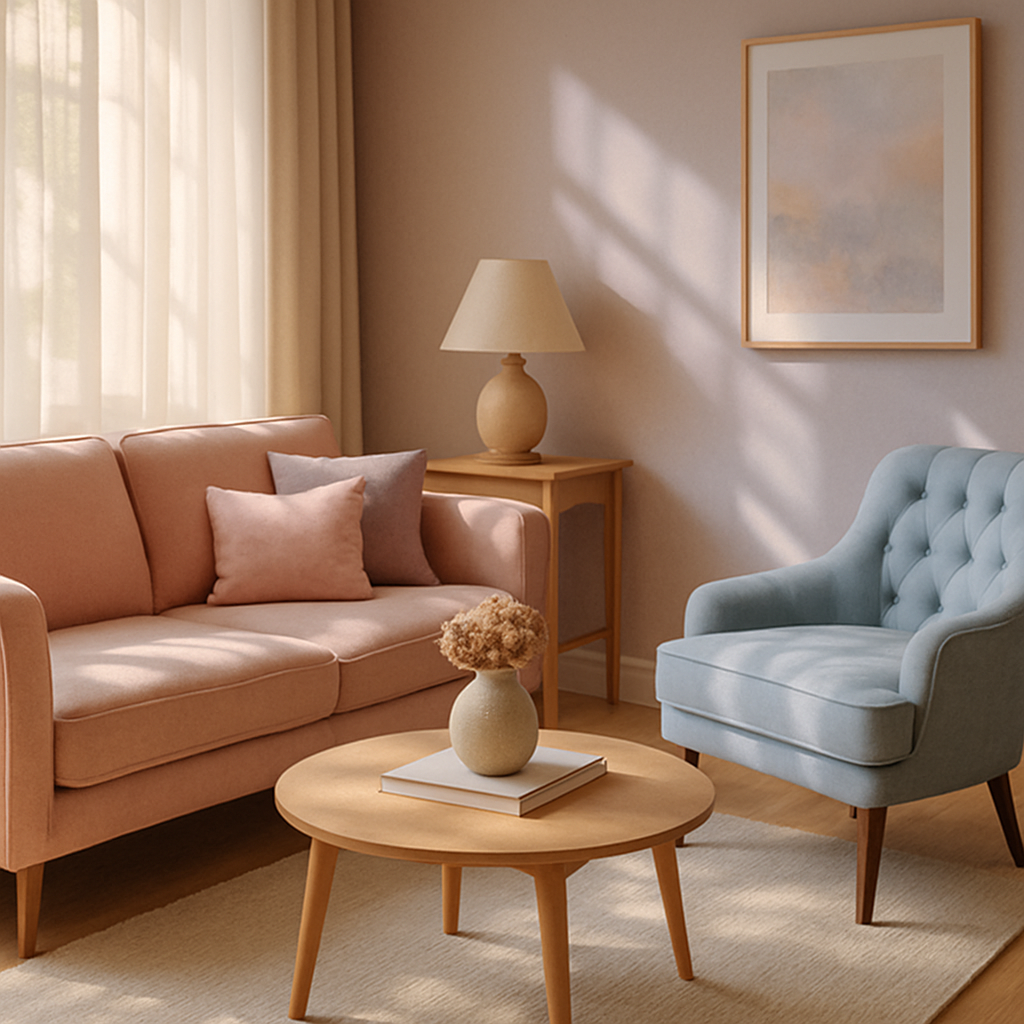
Imagine walking into a room that perfectly captures your personality, where every detail feels intentional and the space flows effortlessly. According to the American Society of Interior Designers (ASID), a well-designed home can increase its resale value by up to 15%, making interior design skills not just a creative endeavor but a smart investment. If you've ever dreamed of transforming your space with the finesse of a professional, local interior design classes might be your perfect start. This article explores the foundational concepts you'll learn, provides insights into course structures, offers actionable strategies for success, and dives into expert-level details to help you choose the right class for your design journey.
The Foundation of Interior Design Education
When embarking on your interior design education, understanding the core principles is essential. Many local classes begin with the basics of design theory, covering color theory, spatial planning, and the impact of lighting. These foundational elements set the stage for more advanced techniques. For instance, color theory involves more than just picking shades that appeal to you; it's about understanding how colors interact, influence mood, and can be used to manipulate perceived space. Experienced professionals often emphasize the power of color to transform a room's ambiance.
Spatial planning is another critical component of interior design education. This involves learning how to effectively use space, ensuring that every area has a purpose and that the room's flow is both functional and aesthetically pleasing. Classes typically include exercises in mapping out room layouts, taking into account how people will move through and use the space. This practical approach helps students grasp the importance of efficient space utilization.
Lighting design is often underestimated, yet it's a cornerstone of interior design. Good lighting can enhance architectural details and create the desired mood within a space. Local courses often provide hands-on opportunities to experiment with different lighting setups. This aspect of design education is crucial, as even the most beautifully decorated room can fall flat without appropriate lighting. As these foundational skills are developed, students are prepared for deeper dives into more complex design subjects.
Analyzing Course Structures and Content
Local interior design classes vary significantly in their structure and content, catering to different skill levels and interests. According to a Houzz survey, 60% of homeowners who undertake design projects prefer structured learning environments for acquiring new skills. Most courses are structured around key phases of a design project: concept development, design presentation, procurement, installation, and styling. Understanding these phases helps students appreciate the full scope of what it takes to complete a design project.
Concept development is where students learn to translate ideas into tangible designs. This phase involves creating mood boards and initial sketches, which act as the project's blueprint. Courses often teach students how to present these concepts effectively, a skill that's crucial when working with clients or stakeholders. The use of digital tools, such as AR/VR room visualization software, is increasingly common in these courses, providing students with modern skills that are highly valued in the industry.
Procurement and installation are practical aspects of design that classes cover in detail. Students learn about sourcing materials, managing budgets, and coordinating logistics. This is where understanding fee structures-such as flat fees, hourly rates, and percentage-based pricing-becomes invaluable. By grasping these elements, students can better manage client expectations and project timelines. The comprehensive nature of these courses ensures that graduates are well-equipped to handle real-world design challenges.
Actionable Strategies for Success in Design Classes
Enrolling in an interior design class is just the first step. To truly succeed, it's essential to approach the learning process with a strategic mindset. One effective strategy is to engage actively in all class activities. Participation is key not only to absorbing information but also to building a portfolio that showcases your growing skills. Many instructors encourage students to document their projects, which can later be used to demonstrate your capabilities to potential clients or employers.
Networking with peers and professionals in the field is another critical strategy. Local classes often bring together a diverse group of individuals, each with unique perspectives and experiences. Building connections with classmates and instructors can open doors to collaborative projects and job opportunities. Are you making the most of these networking opportunities? Consider attending industry events and joining platforms like Houzz and the American Institute of Architects (AIA) to expand your professional network.
Finally, applying what you learn in class to personal projects is an excellent way to reinforce your skills. Whether it's redesigning a room in your home or helping a friend with their space, real-world application solidifies classroom knowledge. As you apply these strategies, you'll find yourself more prepared to tackle complex design challenges and succeed in your interior design journey.
Expert-Level Insights and Advanced Techniques
For those looking to delve deeper, advanced classes offer insights into specialized areas of interior design. Topics such as sustainable design, smart home integration, and biophilic design are gaining traction. According to the National Council for Interior Design Qualification (NCIDQ), these trends not only cater to contemporary tastes but also address the growing demand for environmentally responsible and technologically advanced spaces.
Sustainable design focuses on using eco-friendly materials and creating spaces that reduce environmental impact. Classes on this topic cover everything from selecting sustainable materials to designing energy-efficient spaces. With the increasing consumer demand for green solutions, expertise in this area can set designers apart in the market.
Smart home integration is another exciting area of study. As homes become increasingly connected, understanding how to incorporate technology seamlessly into design is invaluable. Courses often include modules on selecting and integrating smart devices, ensuring that technology enhances rather than detracts from the overall design aesthetic. These advanced techniques empower students to create cutting-edge designs that meet modern needs.
Exploring Additional Depth in Interior Design Education
Beyond the classroom, many local programs offer internships and real-world projects as part of their curriculum. This hands-on experience is crucial for applying theoretical knowledge in practical settings. Internships with established design firms provide students with insights into industry operations, client interactions, and project management. Have you considered how an internship might accelerate your design career?
In addition to internships, some programs offer certification opportunities. The NCIDQ, for example, is a widely recognized credential that signifies a high level of expertise in interior design. Pursuing certification can enhance your professional credibility and open up more career opportunities. Understanding the requirements and benefits of certification can be a valuable part of your educational journey.
Lastly, many programs encourage participation in design competitions. These contests not only provide a platform for showcasing your skills but also offer valuable feedback from industry experts. Winning or even participating in these competitions can significantly boost your reputation in the design community. As you explore these opportunities, you'll find that they enrich your learning experience and prepare you for a successful career in interior design.
Final Perspectives on Choosing the Right Design Class
Choosing the right interior design class involves considering several factors, including your current skill level, areas of interest, and career goals. It's beneficial to research local programs thoroughly, comparing their curricula, instructors, and resources. Are you looking for a comprehensive program, or do you need a class focused on a specific design aspect? Tailoring your education to your goals will maximize your learning experience.
Another consideration is the format of the class. Some students thrive in a traditional classroom setting, while others prefer online or hybrid models that offer more flexibility. Understanding your learning style and preferences can help you select a program that fits your lifestyle and educational needs. Additionally, inquire about the support services offered, such as career counseling and job placement assistance, which can be invaluable as you transition into the professional world.
Ultimately, the right class will not only provide you with knowledge but also inspire and challenge you. As you embark on this educational journey, remember that the skills you acquire will serve as the foundation for transforming spaces and bringing your creative visions to life. With the right preparation and mindset, your design education can be a transformative experience.
Conclusion
In conclusion, local interior design classes offer a wealth of opportunities to develop the skills necessary for transforming any space into a cohesive and functional masterpiece. By understanding foundational concepts, analyzing course structures, employing actionable strategies, and exploring expert-level insights, you can make informed decisions about your educational path. Ready to take the next step? Start by researching local programs that align with your interests and goals. Consider setting aside time this week to explore portfolios on platforms like Houzz or connect with local design professionals. With dedication and the right resources, you can elevate your interior design skills and create spaces that truly reflect your style and personality.



Comments
Post a Comment