Transform Your Space: Top Interior Design Companies to Elevate Your Home
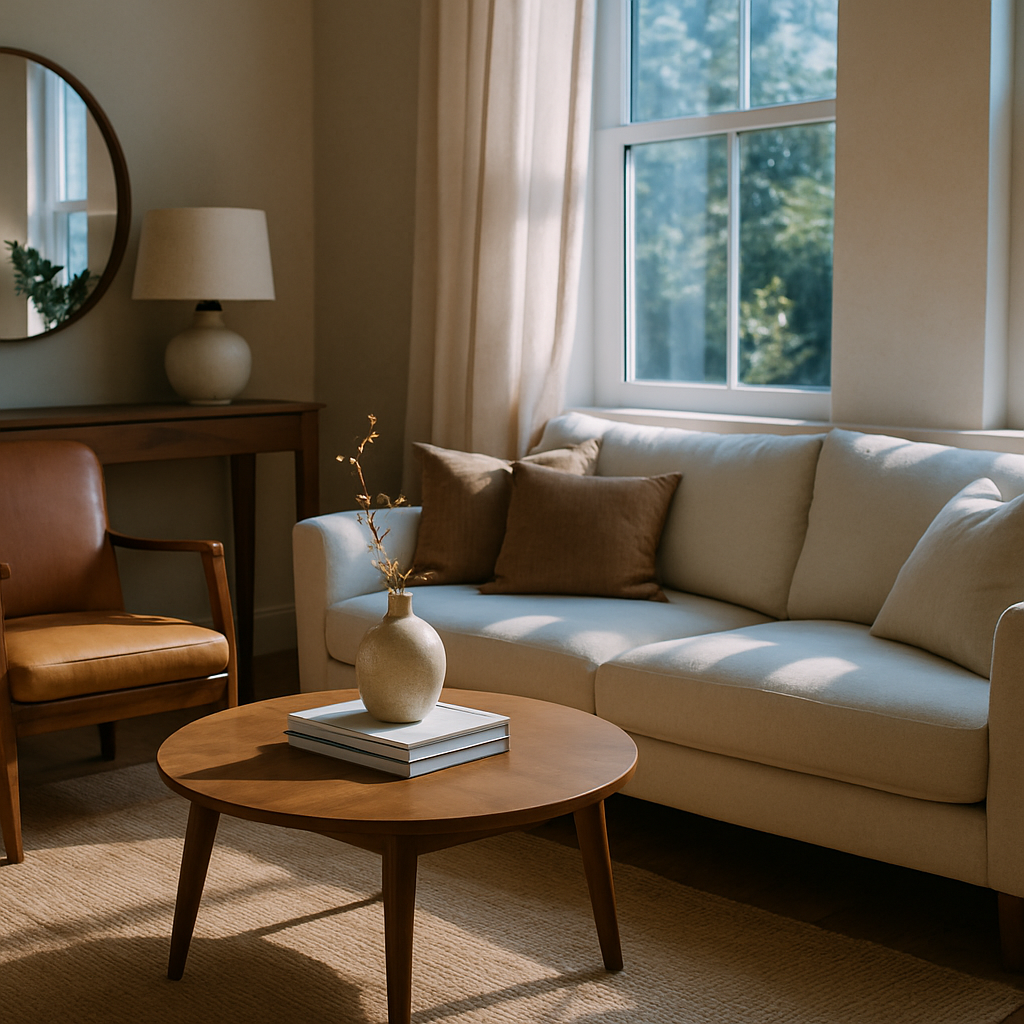
Have you ever walked into a room and instantly felt at ease, as though the space itself was designed to welcome you? That's the power of exceptional interior design. In a recent Houzz survey, homeowners reported spending between $5,000 and $15,000 on a single room redesign-an investment that can yield up to 15% higher resale value. But how do you choose the right interior design company to transform your space into something truly remarkable? In this article, we'll explore foundational concepts in interior design, analyze industry data, offer actionable strategies, and provide expert-level detail to help you make an informed decision. Whether you're dreaming of a serene Japandi retreat or a tech-savvy smart home, we've got you covered.
Understanding the Foundations of Interior Design
Before you dive into hiring an interior design company, it's crucial to understand the foundational concepts that define the industry. First, distinguish between certified interior designers and decorators. Certified professionals often hold credentials such as the NCIDQ (National Council for Interior Design Qualification), a gold standard in the field, ensuring they meet rigorous education and experience requirements. Decorators, on the other hand, may not have formal training but possess a keen eye for style and aesthetics.
Interior design is not just about aesthetics-it's a meticulous process that involves understanding spatial dynamics, functionality, and client needs. Professionals typically begin with concept development, where they assess the client's vision and constraints. This phase is followed by design presentations, procurement of materials, installation, and finally, styling to ensure every detail aligns with the initial concept. Each step requires careful planning and coordination, often facilitated by specialized software tools like CAD (Computer-Aided Design) and AR/VR visualization.
Budgeting is another foundational aspect. Fee structures vary widely, ranging from flat fees to hourly rates ($150-$500 per hour), and percentage-based fees on total project costs, typically between 10-25%. Understanding these basics will empower you to have informed discussions with potential designers. With these foundational concepts in mind, let's look at the data driving today's interior design industry.
Analyzing Industry Data and Trends
According to ASID (American Society of Interior Designers) research, well-designed interiors do more than just elevate aesthetics-they enhance functionality and increase property values. Their studies show that investing in professional interior design can lead to a 5-15% increase in resale value, a compelling reason to consider hiring top-tier companies for your projects. Are you aware of how these statistics could potentially benefit your home investment?
Current trends reflect a shift towards biophilic design, which emphasizes natural materials and indoor-outdoor flow, a style that promotes well-being. Houzz's annual survey indicates a growing preference for sustainable and reclaimed materials, with 80% of homeowners considering these options for renovations. This shift not only supports environmental sustainability but also adds a timeless quality to home interiors.
Moreover, the integration of smart home technologies is revolutionizing how spaces are used. From automated lighting to climate control systems, the modern home is increasingly interactive. This trend is not just about convenience-it's about creating environments that respond to your lifestyle needs. As we delve deeper, consider how these trends might align with your personal tastes and home goals.
Actionable Strategies for Hiring the Right Design Company
Choosing the right interior design company is pivotal to the success of your project. Begin by researching portfolios on platforms like Houzz and Instagram, where designers showcase their work. Look for a style that resonates with you and reflects the trends we've discussed, such as Japandi or quiet luxury. Experienced professionals often note the importance of reviewing project timelines and client testimonials to ensure reliability and satisfaction.
Once you've shortlisted potential companies, schedule consultations to discuss your vision and budget. This is an opportunity to gauge their communication style and responsiveness-key indicators of a successful collaboration. During these meetings, inquire about their process, from concept development to final styling, and ensure they're equipped to handle your specific needs.
Remember to ask about their fee structures and potential for additional costs. Transparency in pricing is crucial, as unexpected expenses can derail your project. Armed with this knowledge, you're better prepared to make a choice that aligns with both your aesthetic preferences and financial considerations. Now, let's explore more expert-level details that can further influence your decision.
Expert-Level Insights into Interior Design
Experienced interior designers bring a wealth of knowledge to the table, often guiding clients to consider elements they might overlook. For instance, the use of AR/VR room visualization tools allows clients to experience potential designs in a virtual space before any real-world changes are made. This technology not only enhances client satisfaction but also minimizes costly design revisions.
Another expert insight involves the strategic use of color and texture. Professionals understand the psychological impact of these elements, using them to create moods and atmospheres tailored to individual clients. For example, calming blues and greens can foster relaxation in a bedroom, while warm earth tones might be employed in living areas to encourage social interaction.
Moreover, the best design companies are adept at navigating sourcing challenges, especially when procuring high-quality, sustainable materials. Their established relationships with suppliers can streamline procurement, ensuring access to premium resources without exorbitant markups. As we delve into additional details, consider how these expert insights could refine your vision for a redesigned space.
Delving Deeper: Additional Considerations
When planning your interior design project, it's essential to factor in the longevity of your choices. Trends like quiet luxury focus on timeless, understated elegance that won't feel dated in a few years. This approach typically involves investing in high-quality, durable furnishings and finishes that stand the test of time.
Additionally, consider the environmental impact of your design choices. Selecting sustainable materials not only benefits the planet but also aligns with the growing consumer demand for eco-friendly products. Many top interior design companies are now prioritizing sustainability, ensuring that your home can be both stylish and responsible.
Finally, think about the evolving nature of technology in design. As smart home features become increasingly integrated, consider how these advancements can enhance your living experience. Automated systems for lighting, climate, and security are not only convenient but also improve energy efficiency. As we move towards the conclusion, reflect on how these additional considerations can shape a home that truly meets your aspirations.
Final Perspectives on Transforming Your Space
Transforming your space is a journey that combines creativity, expertise, and practical considerations. As you evaluate potential design companies, remember that the goal is to create an environment that reflects your personal style while enhancing your home's functionality and value. Have you considered how your personal goals align with the strategies and trends discussed here?
Every detail, from the selection of materials to the integration of technology, plays a role in realizing your vision. By partnering with a top interior design company, you gain access to a network of resources and expertise that can make your dream home a reality. As you finalize your decisions, keep in mind the importance of a holistic approach that considers both aesthetic and practical elements.
Conclusion: Take the Next Step
In conclusion, elevating your home through interior design is a multifaceted process that requires careful planning and expert guidance. By understanding industry foundations, analyzing current trends, and considering expert insights, you're well-equipped to make informed decisions. The right design company will not only transform your space but also enhance your lifestyle and home value.
Now, it's time to take action. Start by browsing portfolios on Houzz this week-spending even 20 minutes a day can significantly sharpen your eye for what you truly want. Reach out to designers who resonate with your vision and begin the exciting process of transforming your space into a place you'll love. Are you ready to start this transformative journey?



Comments
Post a Comment