Transform Your Space: Top Havenly Interior Design Tips for Every Room
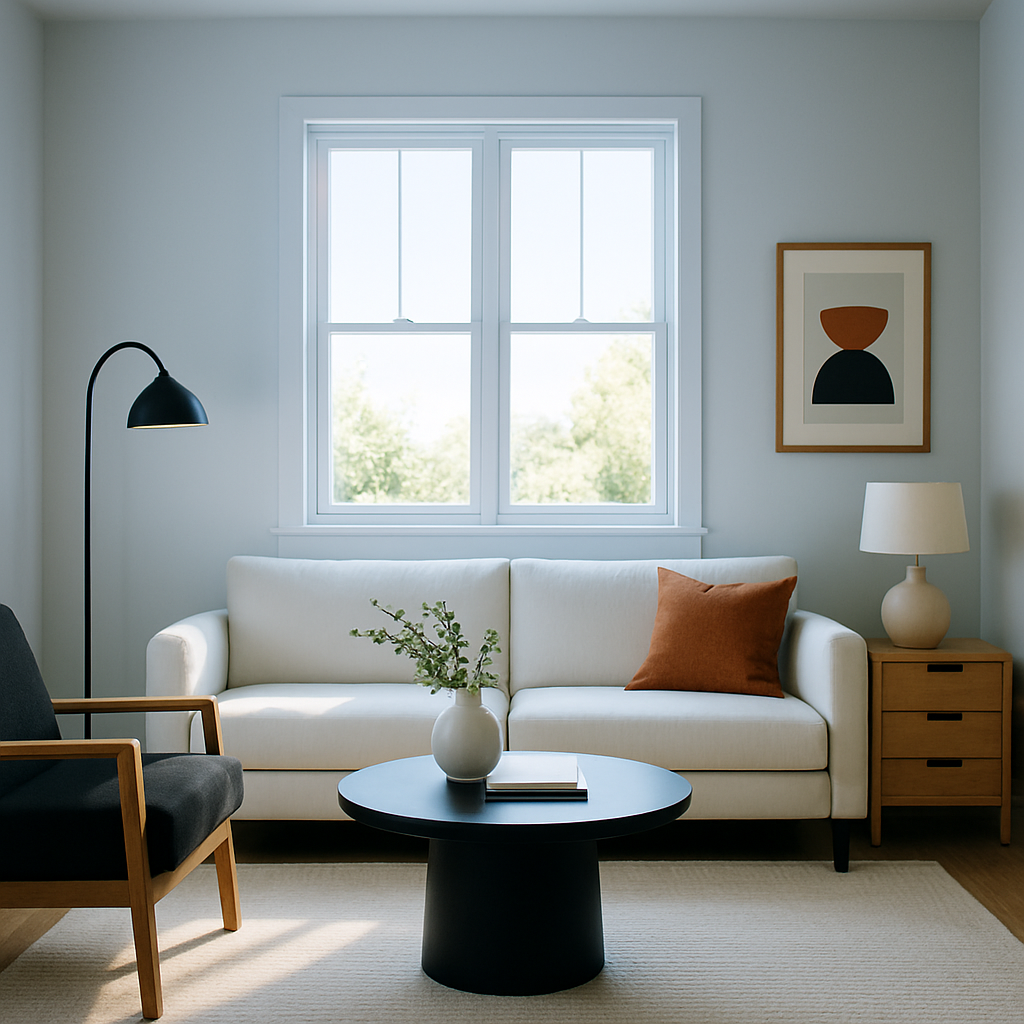
Did you know that a well-designed home can increase its resale value by 5-15%? According to the American Society of Interior Designers (ASID), thoughtful interior design not only elevates living experiences but also boosts property worth. Whether you're pondering a full-home transformation or refreshing individual rooms, it's crucial to approach the process with strategy and insight. In this guide, we explore top interior design tips from Havenly, covering foundational principles, data-driven insights, actionable strategies, and expert advice. By the end, you'll be equipped with the knowledge to reimagine your space with confidence.
Understanding the Foundational Concepts of Interior Design
Before you begin any redesign project, it's essential to grasp the basic principles that underpin successful interior design. At the core, design revolves around balance, proportion, and harmony. Balance ensures that a room feels evenly weighted, whether through symmetrical arrangements or more dynamic asymmetrical layouts. Proportion relates to the size of objects within a space relative to one another and the space itself, ensuring that no element feels overpowering or lost. Finally, harmony ties all components together, creating a cohesive and pleasing aesthetic.
Havenly, a popular online interior design platform, often emphasizes these principles in its consultations. By incorporating balance, proportion, and harmony, designers ensure that spaces are not only functional but also visually appealing. For example, a well-proportioned living room might pair a large sectional with a substantial coffee table, maintaining visual balance while providing functional seating and surface areas. Harmony might be achieved through a consistent color palette or recurring design motifs that unify the space.
As you consider redesigning your rooms, reflect on these foundational concepts. How does your current space measure up in terms of balance, proportion, and harmony? Spotting areas that lack these elements can guide your design decisions, helping you transform your home into a more inviting and cohesive environment. These foundational concepts are the building blocks for more detailed strategies, which we'll explore next.
Data-Driven Insights: How Statistics Inform Design Choices
In the realm of interior design, data plays a crucial role in shaping informed decisions. According to a Houzz survey, 70% of homeowners prioritize functionality over aesthetics when embarking on a design project. This statistic underscores the importance of creating spaces that meet practical needs without sacrificing style. When planning a redesign, consider how your rooms function on a daily basis. Are there areas where functionality could be improved?
For instance, in kitchens, data from the National Kitchen and Bath Association (NKBA) shows a growing trend towards open layouts and multipurpose islands. These features not only enhance the flow of the space but also cater to the modern lifestyle of cooking, dining, and socializing within one area. Understanding such trends can guide your design choices, ensuring they align with both current preferences and practical usage.
Moreover, the rising interest in sustainable materials is worth noting. Industry surveys suggest that over 60% of homeowners are now considering eco-friendly options, from reclaimed wood flooring to energy-efficient lighting. This shift reflects a broader awareness of environmental impact, encouraging designers to incorporate sustainable elements into their projects. By staying informed about these data-driven insights, you can make design choices that are both trendy and timeless.
Actionable Strategies for Every Room
Now that we've covered foundational concepts and data-driven insights, let's delve into actionable strategies for each room in your home. Starting with the living room, consider the concept of "zoning" to enhance functionality. By dividing the space into distinct areas-such as seating, reading, and entertainment-you can create a more organized and purposeful environment. Use rugs, furniture arrangements, and lighting to define these zones clearly.
In the bedroom, focus on creating a restful retreat. Experienced professionals often note the importance of selecting calming color palettes and investing in high-quality bedding. These choices contribute to a soothing atmosphere conducive to relaxation and sleep. Additionally, consider incorporating smart home technology, such as automated lighting and climate control, to enhance comfort and convenience.
For the kitchen, prioritize efficiency and style. Implement the "kitchen work triangle" principle, which optimizes the layout between the stove, sink, and refrigerator. This arrangement enhances workflow and minimizes unnecessary movement. Furthermore, integrating open shelving or glass-front cabinets can add visual interest while keeping essentials accessible. These strategies ensure that each room not only looks beautiful but also functions seamlessly in daily life.
Expert-Level Details: Advanced Design Techniques
To elevate your interior design skills further, consider incorporating advanced techniques that seasoned designers swear by. One such approach is layering textures, an effective way to add depth and interest to any room. By combining various materials-think soft textiles, rough wood, and smooth metals-you can create a rich sensory experience. This technique is particularly impactful in living rooms and bedrooms, where comfort and warmth are paramount.
Another expert tip is the strategic use of lighting. Beyond functional illumination, lighting can dramatically alter the mood and perception of a space. Consider layering ambient, task, and accent lighting to achieve a dynamic yet cohesive look. Dimmer switches offer flexibility, allowing you to adjust lighting levels to suit different activities and moods. Additionally, incorporating natural light through large windows or skylights can enhance the sense of openness and connection to the outdoors.
Lastly, mastering the art of color theory can significantly impact your design outcomes. Understanding how colors interact and influence emotions can guide your palette choices. For example, using complementary colors can create vibrant energy, while analogous schemes offer a more harmonious and calming effect. By applying these advanced techniques, you can refine your design approach and create spaces that truly reflect your vision.
Additional Depth: Industry Trends and Innovations
Keeping abreast of the latest industry trends and innovations is crucial for any interior design enthusiast. One trend gaining momentum is biophilic design, which seeks to connect interiors with nature. This approach incorporates natural materials, living walls, and indoor-outdoor flow, promoting well-being and environmental consciousness. By integrating biophilic elements, you can foster a sense of tranquility and rejuvenation within your home.
The concept of "quiet luxury" is also making waves, characterized by understated elegance and high-quality materials. This trend emphasizes simplicity and sophistication, steering away from ostentation in favor of subtle opulence. Opting for timeless pieces and neutral palettes can achieve this look, creating a serene yet luxurious ambiance.
Additionally, the rise of AR/VR room visualization tools is revolutionizing the design process. These technologies allow designers and homeowners to virtually explore and modify spaces before committing to physical changes. By leveraging such tools, you can visualize your ideas more concretely, making informed decisions and reducing the likelihood of costly mistakes. Staying informed about these trends ensures your designs remain relevant and cutting-edge.
Final Perspectives on Transforming Your Space
As you embark on your interior design journey, remember that the key to success lies in balance-between aesthetics and functionality, tradition and innovation, personal taste and expert advice. The insights and strategies discussed here provide a solid foundation, but the magic truly happens when you infuse your unique style and preferences into the mix.
Consider collaborating with certified professionals, such as those holding NCIDQ (National Council for Interior Design Qualification) credentials, who can offer tailored guidance and expertise. Their experience can help you navigate complex decisions, ensuring your project is both beautiful and practical. Whether you're undertaking a single-room refresh or a comprehensive home overhaul, approaching the process with intention and curiosity will yield the most satisfying results.
How will you start transforming your space today? Reflect on the principles and trends we've explored, and envision how they could manifest in your home. As you move forward, maintain an open mind and a willingness to experiment, knowing that each choice brings you closer to the home of your dreams.
Conclusion
Transforming your space with Havenly's top interior design tips involves more than just aesthetics; it's about creating an environment that resonates with your lifestyle and aspirations. From foundational concepts to advanced techniques and industry trends, this guide equips you with the knowledge to undertake any design project with confidence. Remember, the journey is as important as the destination. Start by browsing portfolios on platforms like Houzz this week-even 20 minutes of research will sharpen your eye for what you want. Dive into your design adventure with enthusiasm and the assurance that your efforts will yield a beautifully crafted home.



Comments
Post a Comment