Transform Your Space: Top AI Tools for Innovative Interior Design
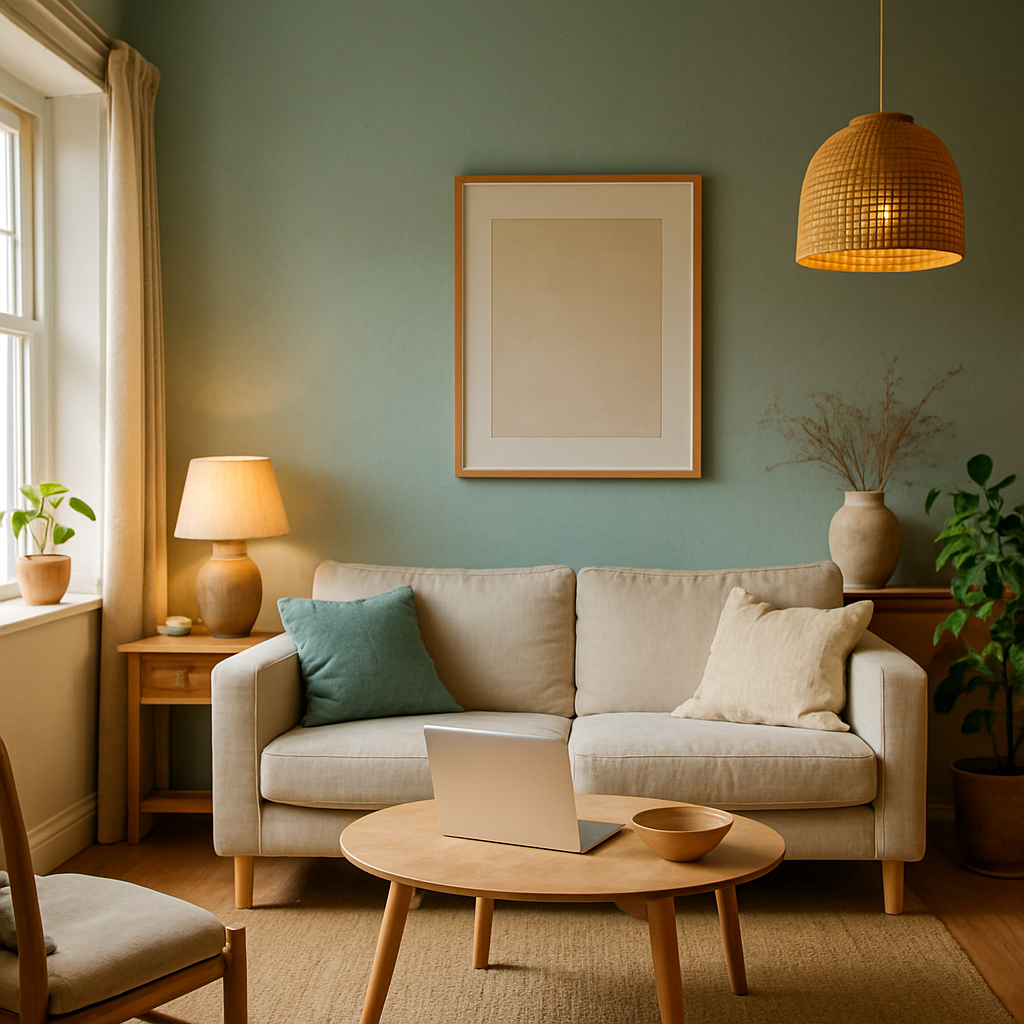
Imagine walking into a room where every detail, from the lighting to the furniture arrangement, feels perfectly tailored to your preferences. This is no longer a distant dream, thanks to the rise of artificial intelligence in interior design. According to a report by Houzz, over 30% of designers are incorporating AI tools into their workflows, revolutionizing how spaces are conceptualized and realized. This transformation isn't just about aesthetics; it's about creating environments that enhance functionality and comfort with unprecedented precision. In this article, we'll explore the foundational concepts of AI in interior design, delve into data-backed insights, and offer actionable strategies for integrating AI into your design process. We'll also provide expert-level details on the most effective tools available and conclude with a thoughtful perspective on the future of AI in interior design. Ready to transform your space with cutting-edge technology?
Understanding the Role of AI in Interior Design
The integration of AI into interior design represents a significant shift in how professionals approach the art and science of creating inspiring spaces. At its core, AI helps designers by automating tedious tasks such as drafting floor plans and generating design options based on client preferences. This allows for more time to focus on creativity and client interaction. For instance, AI algorithms can analyze client input and suggest design elements that match their style, optimizing both time and resources.
Moreover, AI technologies like virtual and augmented reality (VR/AR) provide a platform for clients to visualize potential design outcomes before implementation. Tools such as SketchUp and Planner 5D enable designers to create immersive 3D visualizations, allowing clients to "walk through" their redesigned space virtually. This capability not only improves client satisfaction but also reduces costly revisions during the actual design process.
AI also plays a crucial role in sustainable design practices. By utilizing machine learning models, designers can predict the environmental impact of their material choices, thus promoting sustainability. For example, AI can suggest alternative materials that are both eco-friendly and aesthetically pleasing, aligning with the growing trend of biophilic design. The integration of such technology ensures that spaces are not only stylish but also sustainable, meeting the demands of environmentally conscious clients.
Data-Driven Insights: AI's Impact on Design Efficiency
AI is not just a trend; it's transforming how efficiently interior design projects are executed. According to a survey by the International Interior Design Association (IIDA), firms using AI tools report a 20% increase in project efficiency. This boost is partly due to AI's ability to streamline the procurement process, managing inventories and predicting lead times with remarkable accuracy. Such capabilities are invaluable in avoiding delays and ensuring that projects stay within budget.
In addition to improving efficiency, AI provides invaluable data analytics that can influence design decisions. For example, platforms like Houzz offer analytics tools that gather data on user preferences and trends. Designers can leverage this data to tailor their offerings, ensuring that they remain competitive in a rapidly evolving market. This type of data-driven design is particularly beneficial in creating personalized spaces that resonate with clients on a deeper level.
Furthermore, AI's predictive capabilities can foresee design trends, enabling designers to stay ahead of the curve. By analyzing vast amounts of data from social media and design platforms, AI can predict which styles and materials will gain popularity. This foresight allows designers to make informed decisions about which trends to incorporate into their projects, ensuring that their designs remain fresh and appealing.
Actionable Strategies for Implementing AI in Your Design Workflow
Implementing AI tools into your design workflow requires a strategic approach to maximize their benefits. First, identify the areas where automation can have the most impact, such as floor plan drafting or material selection. Tools like Autodesk's Revit offer AI-powered features that can automate repetitive tasks, freeing up valuable time for creative pursuits. Have you considered which tasks could be made more efficient with AI?
Next, invest in training to ensure your team is comfortable using AI technologies. Many organizations, such as the American Society of Interior Designers (ASID), offer workshops and certifications that can help bridge the knowledge gap. Ensuring that your team is well-versed in AI tools will facilitate a smoother integration process and boost overall productivity.
Lastly, incorporate client feedback into your AI-driven design process. Use AI tools that offer features for client collaboration, such as real-time design adjustments and virtual walkthroughs. This not only enhances the client experience but also fosters a more collaborative relationship, leading to outcomes that truly reflect the client's vision. By engaging clients throughout the process, you can ensure their satisfaction and achieve a design that exceeds their expectations.
Expert Perspectives: The Future of AI in Interior Design
Experienced professionals often note that AI's integration into interior design is only just beginning. As AI technology advances, its role in the industry is expected to grow exponentially. One area poised for significant development is AI's ability to incorporate smart home technologies into design plans seamlessly. This includes the integration of smart lighting, climate control, and automated window treatments, which can be customized to fit the aesthetic and functional needs of any space.
AR/VR room visualization tools are also evolving, offering even more realistic and immersive experiences. Platforms like HomeByMe and RoomSketcher are pushing the boundaries of what is possible, allowing clients to experience their spaces in a fully interactive 3D environment. This capability not only improves the client experience but also reduces the risk of miscommunication, ensuring that the final design aligns perfectly with the client's expectations.
Additionally, AI's role in promoting sustainable design is expected to expand. As more clients prioritize eco-friendly materials and practices, AI tools that evaluate the environmental impact of design choices will become increasingly valuable. This aligns with the industry's shift towards biophilic design and the use of sustainable materials, ensuring that interior design continues to evolve in harmony with environmental considerations.
Diving Deeper: Tools and Technologies to Watch
Several AI tools are paving the way for innovative interior design. One standout is Modsy, which uses AI to create personalized room designs based on user preferences and budget constraints. Modsy's technology allows clients to visualize different styles and layouts, making it easier to select the perfect design. Have you explored how Modsy could enhance your design process?
Another tool gaining traction is Foyr Neo, a powerful platform that combines AI with cloud computing to deliver fast, high-quality renderings. Foyr Neo's intuitive interface and rapid rendering capabilities make it an excellent choice for designers looking to present their ideas quickly and convincingly. The ability to produce realistic renders in a fraction of the time is a game-changer for client presentations.
Finally, consider exploring Morpholio Board, an AI-powered app that assists designers in creating and organizing mood boards. This tool uses machine learning to suggest complementary colors, textures, and furniture, streamlining the creative process. By leveraging AI's analytical power, designers can ensure their mood boards are visually cohesive and aligned with the client's vision.
Final Thoughts: Navigating the AI-Driven Design Landscape
As AI continues to reshape the interior design landscape, embracing these tools can offer a competitive edge. However, it's essential to balance technology with the human touch that defines exceptional design. While AI can automate processes and provide data-driven insights, the creativity and intuition of a skilled designer remain irreplaceable.
To successfully navigate this AI-driven landscape, stay informed about emerging technologies and trends. Engage with industry networks like the NCIDQ (National Council for Interior Design Qualification) and IIDA to keep abreast of the latest developments. By continuously expanding your knowledge and skills, you can harness AI's full potential while maintaining your unique design identity.
Ultimately, the future of interior design is not about replacing designers with machines but enhancing their capabilities. By thoughtfully integrating AI into your workflow, you can create spaces that are not only beautiful and functional but also innovative and forward-thinking.
Conclusion: Embrace the Future of Interior Design
In summary, AI tools are revolutionizing the interior design industry, offering new ways to enhance creativity, efficiency, and client satisfaction. By understanding the role of AI, utilizing data-driven insights, and implementing actionable strategies, you can stay ahead in this rapidly evolving field. Expert perspectives and emerging tools provide a glimpse into the future of design, where technology and creativity coexist harmoniously.
Are you ready to transform your space with AI? Start by exploring platforms like Modsy, Foyr Neo, and Morpholio Board. Engage with the tools and see how they can fit into your design process. Even dedicating 20 minutes to research this week can sharpen your eye for innovation and help you make informed decisions for your next project.


Comments
Post a Comment