Transform Your Space: Top 10 Interior Design Studio Trends for 2023
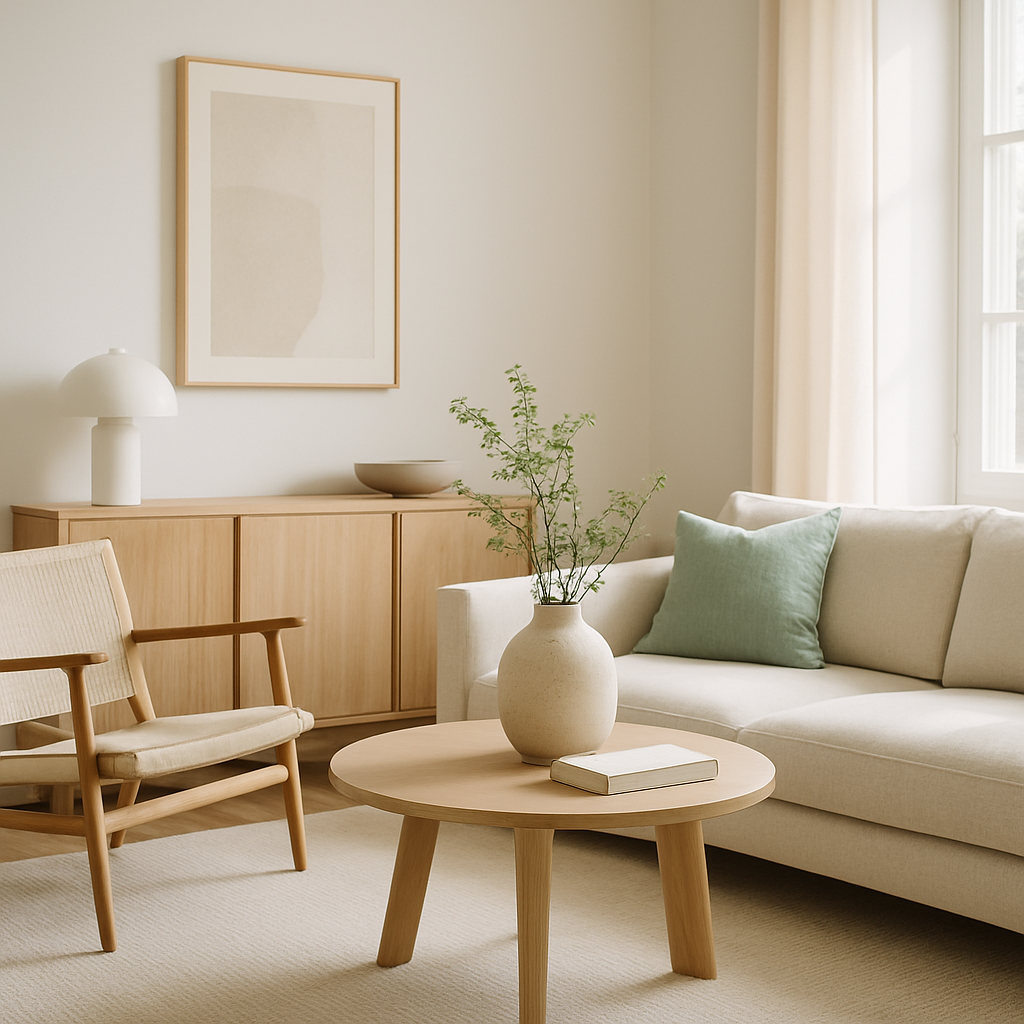
Have you ever walked into a room and felt an immediate sense of calm or excitement? That's the power of design. According to a recent survey by Houzz, nearly 80% of homeowners believe that a well-designed space directly enhances their quality of life. As we step into 2023, the interior design landscape is evolving with innovative trends that promise to transform how we live and interact with our environments. This year, expect to see a blend of technology and nature, minimalism meeting warmth, and sustainability taking center stage. In this article, we'll explore the top 10 interior design studio trends for 2023, providing you with a roadmap to refresh your space with both style and substance.
Embracing Biophilic Design
Biophilic design is rapidly becoming a cornerstone of modern interior aesthetics. Rooted in the idea of bringing the outdoors inside, this trend emphasizes natural materials, living walls, and a seamless indoor-outdoor flow. Imagine a living room with a lush vertical garden or a kitchen that opens to a verdant patio. This approach not only enhances visual appeal but also improves mental well-being. Researchers have noted that environments enriched with natural elements can reduce stress and increase productivity.
One aspect of biophilic design that is gaining traction is the use of sustainable and reclaimed materials. Think of reclaimed wood flooring that tells a story or furniture crafted from repurposed materials. The American Society of Interior Designers (ASID) emphasizes the importance of sustainability in design, noting that eco-friendly choices are not only trendy but crucial for environmental responsibility. By selecting materials with a lower carbon footprint, you contribute to a healthier planet.
How do you start incorporating biophilic elements into your home? Begin by evaluating your space for opportunities to introduce plants or natural textures. Could a workspace benefit from a small indoor garden? Or might a bathroom feel more serene with the addition of stone or wood finishes? These small changes can create a big impact, setting the stage for a harmonious living environment. As we move forward, let's delve into how technology is reshaping design.
Integrating Smart Home Technology
In 2023, the integration of smart home technology is transforming interior spaces into hubs of convenience and efficiency. From automated lighting systems to climate control and security features, technology is seamlessly blending into design without compromising aesthetics. According to industry surveys, homes equipped with smart technology can see a resale value increase of up to 5-15%. This makes investing in intelligent systems not just a lifestyle choice, but a financial one.
Platforms like Houzz have noted a surge in interest for smart home innovations. Homeowners are particularly drawn to intelligent lighting solutions that adapt to the time of day, creating an ambiance that suits every occasion. Automated window treatments are another popular choice, offering both energy efficiency and privacy at the touch of a button. As these technologies become more accessible, they're becoming a staple in modern living.
Are you considering upgrading your home with smart technology? Start by identifying your priorities. Do you want to enhance security, improve energy efficiency, or simply enjoy the convenience of controlling your home environment with a smartphone? Once you've pinpointed your goals, consult with a certified interior designer who can integrate these systems into your overall design plan. Next, we'll explore the allure of quiet luxury and understated elegance.
The Rise of Quiet Luxury
The concept of quiet luxury is gaining momentum in 2023, characterized by subtle elegance and timeless design elements. This trend is about creating spaces that exude sophistication without overt opulence. Think of a living room with plush textiles, muted color palettes, and carefully curated art pieces that tell a story without shouting for attention. Experienced professionals often note that quiet luxury is not about minimalism for minimalism's sake but about thoughtful curation.
The International Interior Design Association (IIDA) highlights how quiet luxury appeals to homeowners seeking a refuge from the busy outside world. By focusing on quality over quantity, this trend encourages investment in fewer, higher-quality pieces that bring both comfort and style. It's about creating a sanctuary that reflects personal taste without being overly ornate.
To incorporate quiet luxury into your home, consider focusing on textures and materials. A velvet sofa or cashmere throw can add depth and richness to a room. Select a few statement pieces, such as a bespoke coffee table or artisan-crafted lighting, to anchor the space. Remember, the goal is to create an environment that feels both luxurious and inviting. With this in mind, let's examine how cultural fusion is influencing design trends.
Japandi: A Fusion of Cultures
Japandi is a hybrid design trend that merges Japanese minimalism with Scandinavian warmth, creating spaces that are both functional and beautifully serene. This style encapsulates the essence of simplicity, using a neutral color palette, clean lines, and natural materials. It's a perfect embodiment of the "less is more" philosophy, while still maintaining a cozy, inviting atmosphere.
The National Council for Interior Design Qualification (NCIDQ), a gold-standard credential in the field, points out that Japandi design is particularly appealing for its balanced approach to aesthetics and function. By combining the efficient use of space typical in Japanese interiors with the hygge-inspired warmth of Scandinavian design, Japandi creates an environment that feels both spacious and intimate.
Are you ready to embrace the Japandi trend in your home? Start with decluttering and simplifying your space. Focus on multifunctional furniture that can adapt to various needs, such as an extendable dining table or a sofa bed. Incorporate natural elements like light wood finishes and soft textiles to add warmth. As we look to the future, let's explore how sustainability continues to shape design choices.
Sustainability at the Forefront
Sustainability is no longer just an option in design-it's a necessity. In 2023, interior design studios are increasingly prioritizing eco-friendly practices, from selecting sustainable materials to designing energy-efficient spaces. According to the AIA's latest findings, incorporating sustainable design elements can significantly reduce a building's environmental impact while enhancing its aesthetic appeal.
One way designers are embracing sustainability is through the use of reclaimed and locally sourced materials. These options not only reduce waste and transportation emissions but also add unique character to a space. For instance, reclaimed barn wood could be repurposed as flooring, or recycled glass might be used in custom light fixtures, creating distinctive and environmentally conscious designs.
Wondering how to make your home more sustainable? Start by consulting with a designer who has expertise in eco-friendly design. They can guide you in selecting materials and products that align with sustainability goals. Additionally, consider energy-efficient appliances and fixtures, which not only reduce your carbon footprint but also cut down on utility bills. Finally, we'll consider how technology is further enhancing the design experience through virtual tools.
Virtual Design: The Future of Interiors
In the digital age, virtual design tools are transforming how homeowners and designers conceive and plan spaces. Augmented reality (AR) and virtual reality (VR) technologies allow users to visualize design concepts in real-time, making the design process more interactive and personalized. According to industry experts, these tools are revolutionizing client-designer collaboration, offering a tangible sense of how a redesigned space will look and feel.
Design platforms such as Pinterest and Instagram are increasingly integrating AR features, enabling users to superimpose design elements onto their existing spaces. Imagine being able to see how a new piece of furniture or a paint color will look in your room before making a purchase. This capability not only enhances decision-making but also reduces the risk of costly design mistakes.
Are you curious about experimenting with virtual design tools? Explore platforms like Houzz, which offer AR capabilities to preview design changes. Engaging with these tools can provide you with a clearer vision of your project and foster creativity. As we conclude, consider how these trends can be applied to transform your space into a reflection of your personal style.
Conclusion: Transform Your Space Today
The top 10 interior design studio trends for 2023 offer a wealth of opportunities to transform your living environment into a space that reflects both modern aesthetics and personal preferences. From embracing biophilic elements and smart technology to exploring the quiet luxury and Japandi styles, these trends encourage you to create a home that is both stylish and functional. Sustainability continues to play a crucial role, urging you to make choices that benefit both your space and the planet.
Now, it's time to take action. Start by browsing portfolios on platforms like Houzz this week-spending even 20 minutes on research can sharpen your eye for what resonates with you. Consulting with a certified interior designer can also provide valuable insights and help you bring your vision to life. Remember, your home is more than just a place to live; it's a canvas for self-expression and creativity. Transform your space into a reflection of who you are. What changes will you make today?



Comments
Post a Comment