Transform Your Space: Top 10 House Interior Design Trends for 2024
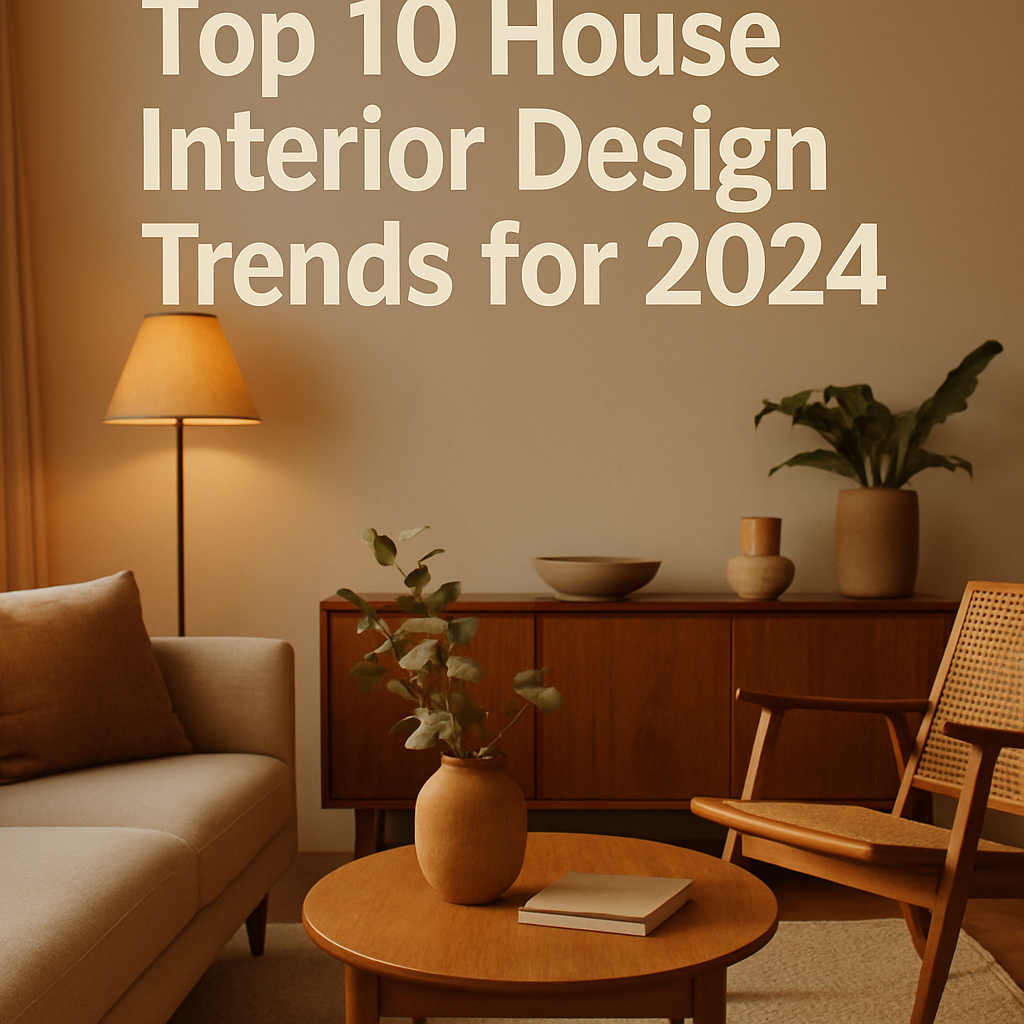
Are you ready to breathe new life into your home? If so, you're not alone. According to the latest Houzz survey, nearly 60% of homeowners plan to renovate or redecorate this year. The question is, how can you make your space not just functional but truly stylish and reflective of your personal taste? In 2024, house interior design trends are leaning towards sustainable elegance and technological integration, offering a wealth of inspiration. This article will guide you through the top 10 trends, offering insights into foundational concepts, deeper analyses with data, actionable strategies, and expert-level details.
Embracing Biophilic Design
The concept of biophilic design is not just a fleeting trend; it's a transformative approach that reconnects your interiors with nature. Biophilic design involves incorporating natural materials, abundant greenery, and maximizing natural light. According to a study published by the International Journal of Environmental Research, people who live in nature-inspired spaces report a significant increase in well-being and productivity. Think about how you might integrate elements like a living wall or indoor courtyard into your home. These features not only enhance aesthetic appeal but also promote a healthier living environment.
How can you bring the outdoors in without a complete overhaul? Start small with houseplants or natural materials like wood and stone in your decor. The use of large windows and glass doors can also facilitate a seamless indoor-outdoor flow, a hallmark of modern biophilic design. As you explore these options, consider how they align with your lifestyle and environmental values.
Furthermore, the move towards biophilic design is part of a broader trend towards sustainability. Homeowners are increasingly opting for eco-friendly materials that not only look good but also minimize environmental impact. This shift reflects a growing awareness of our ecological footprint and a desire to create spaces that nurture both the inhabitants and the planet. As we delve into more trends, think about how these principles can guide your design choices.
Quiet Luxury: Understated Elegance
In contrast to bold maximalism, the "quiet luxury" trend emphasizes understated elegance and high-quality materials. This trend, often seen in the projects of AD PRO network designers, focuses on a muted color palette and timeless designs that exude sophistication. It's about creating spaces that speak to quality and refinement without the need for ostentation. Consider how plush textiles, subtle color schemes, and elegant furniture can transform your home into a sanctuary of calm.
According to industry surveys, investing in high-quality, durable materials can significantly increase a home's resale value - sometimes by as much as 15%. This makes quiet luxury not just a stylistic choice but a financially savvy one as well. Are you considering a renovation that balances aesthetics and investment? Quiet luxury offers the dual benefit of beauty and practicality, making it an ideal choice for those looking to enhance their home's value.
One way to achieve this look is by incorporating bespoke furniture or artisan-crafted pieces. These elements add a unique touch that mass-produced items simply can't match. As you plan your design updates, think about how you can introduce these elements in a way that respects both your budget and your space's existing character. In the following sections, we will explore more ways to integrate these sophisticated elements seamlessly into your home.
Smart Home Integration
As technology continues to evolve, smart home integration is becoming a must-have in modern interior design. From automated lighting and climate control to smart window treatments, these innovations can enhance both comfort and convenience. According to ASID research, homes with integrated smart features tend to be more energy-efficient and offer greater control over home environments. Have you considered how smart technology could simplify your daily routine?
Start by identifying areas in your home where smart technology could make the most impact. For instance, smart thermostats and lighting systems not only reduce energy consumption but also allow you to customize settings based on your schedule. Imagine coming home to a perfectly lit and climate-controlled environment tailored to your preferences. These features are not just about luxury; they are practical enhancements that can improve your quality of life.
Furthermore, smart home technology can be a powerful tool in creating adaptable spaces. With the rise of remote work, many are looking to design multifunctional areas that can seamlessly transition from office to leisure space. Smart solutions like adjustable lighting and automated curtains can help delineate these zones. As we continue, consider how these technologies could transform your home into a more efficient and adaptable space.
Sustainable and Reclaimed Materials
As sustainability continues to rise in importance, the use of reclaimed and eco-friendly materials is gaining traction in interior design. According to the IIDA, using sustainable materials can significantly reduce a project's carbon footprint and often costs less than new materials. By choosing reclaimed wood, recycled metal, or sustainable textiles, you not only contribute to environmental conservation but also add unique character to your home.
How can you incorporate these materials into your design without compromising style? Start by identifying key areas where sustainable materials can make a statement. Feature walls made of reclaimed wood or recycled tiles in kitchens and bathrooms can serve as focal points. Additionally, look for furniture and decor items crafted from recycled or sustainably sourced materials to complement these elements. These choices reflect a commitment to sustainability while enhancing your home's aesthetic appeal.
Incorporating sustainable materials is also about storytelling. Each piece carries a history that adds depth and narrative to your space. As you explore these options, consider how they align with your personal values and the story you want your home to tell. In the next section, we'll delve into more expert-level details on integrating these materials into your design strategy.
Japandi: The Fusion of Minimalism and Warmth
The Japandi trend, a fusion of Japanese minimalism and Scandinavian warmth, is gaining popularity for its balanced approach to design. This style emphasizes clean lines, functional spaces, and a neutral color palette, creating a serene and inviting atmosphere. According to the NCIDQ credentialed designers, Japandi is not just about aesthetics; it's a philosophy that prioritizes simplicity and functionality. Have you ever wondered how to create a minimalist space that still feels cozy and inviting?
To achieve Japandi in your home, focus on decluttering and selecting pieces that serve both functional and aesthetic purposes. Opt for furniture with simple lines and natural materials, and complement these with soft textiles to add warmth. This approach helps maintain a sense of tranquility and order, essential in creating a space that feels both expansive and intimate.
Furthermore, Japandi encourages mindfulness in design choices, promoting a lifestyle that values quality over quantity. By investing in fewer, better items, you contribute to a more sustainable way of living. As we approach the final perspectives, think about how this trend can inspire a holistic transformation of your living space.
Final Perspectives: Integrating 2024 Trends
As we explore these 2024 design trends, it's essential to remember that interior design is a deeply personal journey. Each trend offers unique opportunities to express your style and improve your living space. Whether you're drawn to the natural elements of biophilic design or the sophisticated elegance of quiet luxury, there's a trend that aligns with your vision. Are you ready to start transforming your home?
One of the most effective ways to incorporate these trends is by working with a certified interior designer. Professionals with NCIDQ or ASID credentials bring a wealth of knowledge and expertise, helping you make informed decisions that elevate your space. They can guide you through each phase of the project, from concept development to final styling, ensuring a cohesive and personalized result.
As you plan your design updates, consider how these trends can work together to create a home that is both beautiful and functional. The key is to be intentional with your choices, focusing on elements that enhance your lifestyle and reflect your values. In the conclusion, we'll summarize these insights and provide a clear next step to kickstart your design journey.
Conclusion: Your Next Steps in Transforming Your Space
In 2024, the top interior design trends offer a blend of sustainability, technology, and timeless elegance. From embracing biophilic elements to integrating smart home technology, these trends provide a roadmap for transforming your space into a haven of style and comfort. Have you identified which trends resonate with you the most?
To start your transformation, consider browsing designer portfolios on platforms like Houzz or consulting with certified professionals from the ASID directory. Even dedicating 20 minutes a week to research can sharpen your vision and help you make informed decisions. Remember, a well-designed home is not only a reflection of your personal style but also an investment in your quality of life.
Take the first step today by exploring how these trends can fit into your home. With the right guidance and inspiration, you can transform your space into a place that truly reflects who you are and what you value. Embrace the possibilities of design and start creating a home you love.


Comments
Post a Comment