Transform Your Space: Top 10 Home Interior Design Trends for 2023
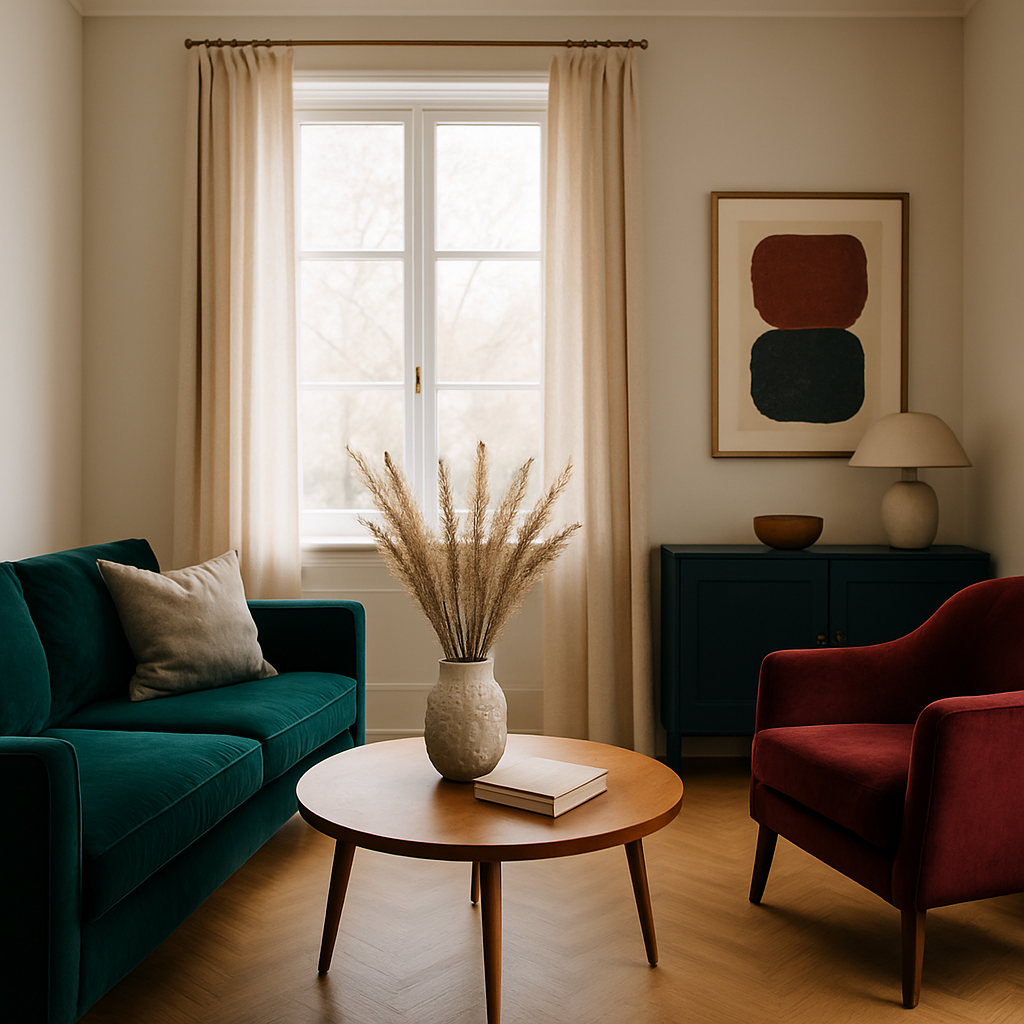
Are you ready to elevate your home's aesthetic and functionality? In the world of interior design, trends are continually evolving, yet 2023 promises a blend of innovation and timeless elegance. According to Houzz's annual survey, more than 70% of homeowners are prioritizing design updates that offer both style and sustainability. This year brings a compelling mix of biophilic design, quiet luxury, and smart home integration. In this article, we will explore these trends and more, offering you insights and strategies to transform your living spaces effectively.
Foundational Concepts: Setting the Stage for 2023
Before diving into specific trends, it's essential to grasp the foundational concepts shaping the interior design landscape in 2023. Biophilic design, which integrates natural elements into indoor spaces, remains a cornerstone. This approach not only enhances aesthetic appeal but also promotes well-being by connecting occupants with nature. Expect to see an increase in the use of natural materials like wood and stone, as well as living walls and indoor gardens.
Another foundational concept is the rise of quiet luxury. This trend emphasizes understated elegance, where quality materials and craftsmanship take precedence over ostentation. According to the International Interior Design Association (IIDA), clients are increasingly seeking designs that reflect personal sophistication without being overly flashy. This translates to muted color palettes and minimalist, yet luxurious, textures.
Finally, the integration of smart technology continues to redefine our living spaces. From automated lighting systems to smart climate controls, these innovations offer convenience and energy efficiency. The American Society of Interior Designers (ASID) reports that smart home features are becoming a key consideration in both new builds and renovations. Understanding these concepts provides a solid foundation as we delve into specific trends.
Deeper Analysis: Data-Driven Design Choices
When it comes to making informed design choices, data and research play critical roles. Houzz's recent survey highlights that 45% of homeowners are prioritizing sustainability in their renovations. This is reflected in the growing preference for reclaimed materials and energy-efficient appliances. Such choices not only benefit the environment but also offer long-term cost savings.
In terms of investment, well-designed interiors can significantly impact property value. Industry experts often cite that homes with high-quality interiors can yield a 5-15% higher resale value. This statistic underscores the importance of thoughtful design in home investment strategies. Whether you plan to sell your home or not, enhancing its interior can be a wise financial move.
Another data point to consider is the increased spending on interior design projects. The ASID reports that the average budget for a single room redesign ranges from $5,000 to $15,000, with full-home projects reaching $50,000 to $150,000 or more. This financial commitment reflects the value homeowners place on creating personalized, functional spaces. Understanding these financial aspects helps in setting realistic expectations for your design endeavors.
Actionable Strategies: Bringing Trends to Life
Now that we've covered the foundational and data-driven aspects, how can you practically apply these trends in your home? Start with biophilic design by incorporating houseplants or a small indoor herb garden. These elements not only add natural beauty but also improve air quality. Consider using sustainable materials like bamboo flooring or reclaimed wood furniture to enhance your environmental footprint.
For those embracing quiet luxury, focus on quality over quantity. Invest in a few high-end pieces that offer both functionality and elegance. Look for furniture with clean lines and sophisticated textures, such as a velvet sofa or a marble coffee table. This approach ensures your space feels curated and intentional rather than cluttered.
Smart home technologies can be seamlessly integrated into your design plan. Start with something simple like smart bulbs or a thermostat. These devices can be controlled remotely, offering convenience and energy savings. As you become more comfortable with smart technology, consider expanding to automated window treatments or a comprehensive home automation system. Implementing these strategies enables you to bring 2023's top trends into your home effectively.
Expert-Level Detail: Navigating Design Challenges
Designing a home that reflects current trends while remaining timeless can be challenging. Experienced professionals often note that balance is key. When incorporating trends, it's crucial to maintain elements of classic design to avoid a space that feels dated too quickly. For instance, while Japandi-a blend of Japanese minimalism and Scandinavian warmth-is trending, it's important to balance it with classic elements like neutral walls or timeless furniture silhouettes.
Another challenge is budget management. With the wide range of costs associated with interior design, from $150-$500 per hour for designer fees to procurement markups, it's vital to prioritize your spending. Focus on areas that offer the greatest impact, such as the kitchen or living room, where high-quality design can enhance daily living and add value.
Working with certified professionals can also mitigate challenges. Look for designers with NCIDQ (National Council for Interior Design Qualification) credentials to ensure they have the expertise to guide your project. A certified designer can help you navigate material selections, color schemes, and layout plans with an expert eye. With their guidance, you can confidently incorporate trends while maintaining a timeless appeal.
Additional Depth: Exploring Emerging Trends
Beyond the established trends, 2023 also introduces some emerging ideas worth exploring. One such trend is the evolution of AR/VR technologies in design. These tools allow homeowners to visualize changes in their space before committing, offering a powerful way to experiment with different styles and layouts. Platforms like Interior Bliss are beginning to incorporate these technologies to enhance customer experience.
Sustainability continues to expand beyond materials to include energy and water conservation. Expect to see innovations in sustainable lighting and water-saving fixtures. Additionally, designers are increasingly focused on creating spaces that support mental health, incorporating features like soundproofing and calming color palettes to reduce stress and promote relaxation.
The focus on personalization remains strong, with homeowners seeking bespoke solutions that reflect their unique tastes and lifestyles. Custom furniture and personalized art pieces are becoming more popular, allowing for a home that truly speaks to the individual. These emerging trends provide exciting opportunities to create spaces that are both modern and deeply personal.
Final Perspectives: Embracing Change in Design
Navigating the ever-changing landscape of interior design can be daunting, but staying informed about trends and best practices can make the process rewarding. As you consider implementing 2023's trends, remember that the ultimate goal is to create a space that enhances your quality of life and resonates with your personal style. Are there specific trends that speak to you or challenges you foresee in adopting them?
As you move forward, consider how these trends can align with your lifestyle and home's architecture. Collaborate with professionals when necessary to ensure your design choices are both stylish and sustainable. By embracing change and incorporating these trends thoughtfully, you can transform your home into a space that is both contemporary and enduring.
Conclusion: Chart Your Course with Confidence
As you embark on your interior design journey for 2023, equipped with insights into the top 10 trends, remember that each choice should reflect your personal style and practical needs. Whether you're drawn to the serenity of biophilic design or the sophistication of quiet luxury, the key is to integrate these trends in a way that feels authentic to you. Have you started envisioning your revamped space yet?
To begin, explore designer portfolios on platforms like Houzz or Instagram to gather inspiration and identify elements you love. Start by browsing portfolios on these platforms this week-even 20 minutes of research will sharpen your eye for what you want. With a clear vision and strategic planning, you'll be well on your way to transforming your home into a space that is both stylish and functional.



Comments
Post a Comment