Transform Your Space: Top 10 Free Interior Design Resources You Need
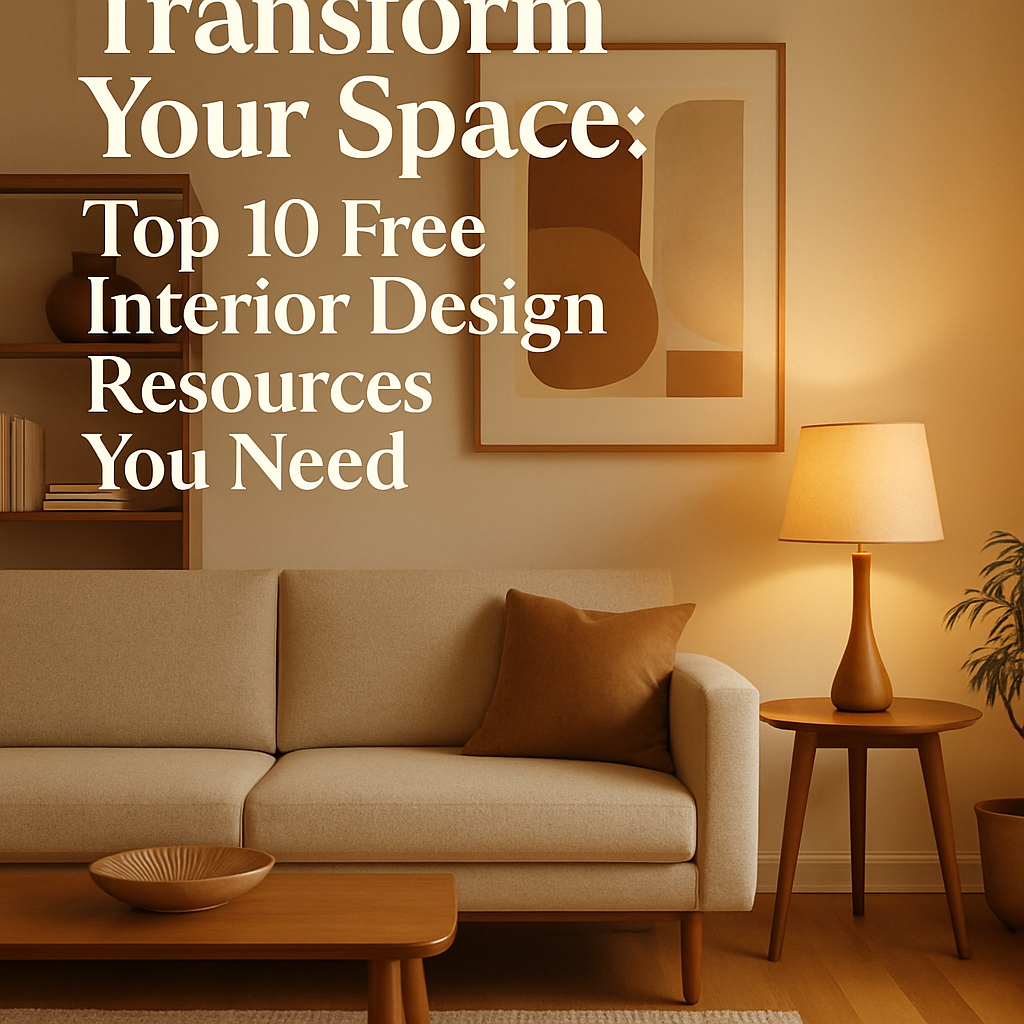
Have you ever stood in your living room, feeling overwhelmed by the idea of redesigning your space but unsure where to begin? You're not alone. According to Houzz's annual survey, 60% of homeowners find the process of home design daunting. The good news is that there are numerous free resources available to help guide you through the process. This article will introduce you to the top 10 free interior design resources that can transform your space. We'll explore foundational concepts, delve into deeper analyses, provide actionable strategies, and offer expert-level insights to help you create a home that is not only beautiful but also functional.
Understanding Foundational Concepts in Interior Design
Before diving into specific resources, it's essential to understand some foundational concepts of interior design. One primary consideration is the distinction between interior designers and decorators. Certified interior designers often hold credentials like the NCIDQ (National Council for Interior Design Qualification), ensuring they have met stringent standards of education and experience. In contrast, decorators may not have formal certification but excel in aesthetics and styling.
The next concept to grasp is the idea of "form follows function." This principle suggests that the design of your space should primarily support its intended use. For instance, a family room should prioritize comfort and durability, while a home office may focus on ergonomics and lighting. Understanding this can help you make informed decisions about furniture placement and material choices.
Lastly, consider the impact of color psychology in your space. Colors can influence mood and perception; for example, blues and greens are typically calming, while reds and yellows can energize a room. By understanding these foundational concepts, you'll be better equipped to utilize the resources discussed in the following sections. With these basics in mind, you're ready to explore some of the best free tools available.
Diving into Deeper Analysis with Data
When it comes to gathering insights and data for your design project, platforms like Houzz and Pinterest are invaluable. According to Houzz research, nearly 90% of users find these platforms helpful for discovering design ideas and trends. This is particularly useful when you're looking to identify styles that resonate with you.
Another powerful resource is the ASID's (American Society of Interior Designers) directory, which provides access to design professionals who can offer expert advice even in a complimentary initial consultation. This interaction can help you refine your vision and set a realistic budget for your project. Speaking of budgets, the Houzz survey indicates that the average homeowner spends between $5,000 and $15,000 on a single-room redesign, emphasizing the importance of informed financial planning.
Additionally, platforms like Instagram are not just for inspiration but also a source of real-time feedback. By following designers and engaging with their content, you can gain insights into current trends and receive direct input on your ideas. As you engage with these data-rich platforms, consider how they can inform your decisions and plan your next steps.
Actionable Strategies for Interior Design Success
Now that you have a grasp on foundational concepts and data-driven insights, it's time to put strategies into action. One effective approach is to use AR/VR room visualization tools, such as those offered by IKEA and HomeByMe, which allow you to virtually arrange and decorate your space. This can help you avoid costly mistakes by seeing how different elements work together before making a purchase.
Another strategy is to create a detailed floor plan using free online tools like SketchUp. By mapping out your space, you can experiment with furniture layouts and get a sense of scale and proportion. This step is crucial for ensuring that your design will be both functional and aesthetically pleasing.
Finally, make use of video tutorials and webinars available on platforms like YouTube and ASID. These resources can provide step-by-step guidance on everything from painting techniques to DIY furniture assembly. By taking advantage of these free resources, you can develop the skills needed to tackle your design project with confidence. With these strategies in place, let's explore how you can elevate your design knowledge to an expert level.
Expert-Level Insights to Elevate Your Design
Experienced professionals often note that a keen understanding of current trends can significantly enhance your design process. For instance, biophilic design, which incorporates natural materials and promotes an indoor-outdoor flow, is gaining popularity in 2026. This trend not only enhances the aesthetic appeal of a space but also contributes to well-being by connecting occupants with nature.
Another trend to be aware of is the concept of quiet luxury, which emphasizes understated elegance through quality materials and craftsmanship. Incorporating elements of this style can elevate your home's sophistication without overpowering its functionality. Utilizing sustainable and reclaimed materials is also a key trend, reflecting a growing consciousness towards eco-friendly living.
Finally, consider the integration of smart home technology. Automated window treatments, climate control, and smart lighting can enhance both convenience and energy efficiency. By staying informed about these trends and incorporating them into your design, you can create a space that is both modern and timeless. Now, let's delve into additional resources that can further aid in your design journey.
Additional Resources for Comprehensive Support
For those seeking comprehensive support, platforms such as Architectural Digest's AD PRO network offer a wealth of information and professional networking opportunities. While some content is subscription-based, AD PRO frequently shares free articles and insights that can be invaluable for DIY designers and professionals alike.
The IIDA (International Interior Design Association) also provides access to free webinars and design competitions, offering both education and inspiration. Engaging with these resources can help you stay abreast of industry standards and innovative design techniques.
Lastly, don't underestimate the power of local libraries and community centers. Many offer workshops and access to design software, allowing you to learn new skills and connect with others who share your passion for interior design. By utilizing these additional resources, you can ensure a well-rounded approach to your project. As we approach the final perspectives, consider how each of these tools can be integrated into your design process.
Final Perspectives on Transforming Your Space
As you embark on your interior design journey, remember that the most successful projects often blend creativity with strategic planning. By leveraging the free resources discussed in this article, you can gain the confidence and expertise needed to transform your space.
Have you considered setting aside time each week to explore these resources and develop your design skills? Even dedicating a small amount of time can lead to significant advancements in your project. The key is to remain proactive and open-minded as you explore different design elements and techniques.
Ultimately, your goal should be to create a space that reflects your personality and supports your lifestyle. With the right tools and insights at your disposal, you are well-equipped to achieve this. As we conclude, consider how to take immediate steps forward in your design journey.
Conclusion: Taking the Next Steps
In summary, transforming your space doesn't have to be an overwhelming challenge. By utilizing the top 10 free interior design resources we've explored, you can approach your project with clarity and confidence. From foundational concepts and data-driven insights to actionable strategies and expert-level details, these tools can guide you every step of the way.
Why not start by browsing some designer portfolios on Houzz or engaging with design communities on Pinterest? Even spending just 20 minutes researching can sharpen your eye for what you truly want. Take proactive steps today to bring your design vision to life and create a home that you love. Your journey begins now.


Comments
Post a Comment