Transform Your Space: The Rise of Industrial Interior Design Trends
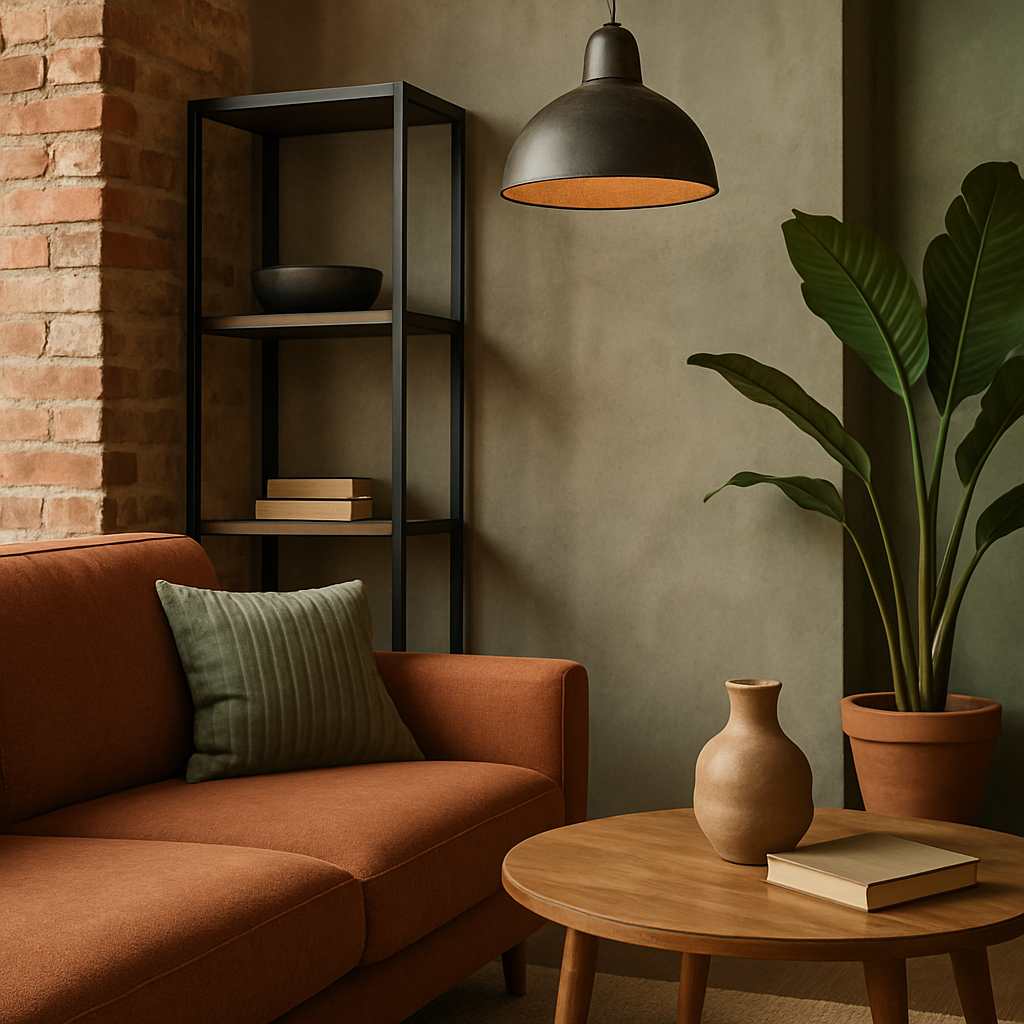
Imagine walking into a room that tells a story of raw elegance and urban sophistication, where exposed brick and metal beams coexist with plush leather and warm wood. This is the essence of industrial interior design, a style that has surged in popularity, offering both aesthetic appeal and functional benefits. According to a report by Houzz, industrial design elements are now featured in over 20% of home renovation projects, reflecting a growing trend towards spaces that embrace authenticity and practicality. In this article, we explore the foundational concepts of industrial design, analyze its trends with data-driven insights, and provide actionable strategies for integrating this style into your home. We'll also delve into expert-level details and additional depth to ensure your space transformation is both stunning and functional.
The Foundation of Industrial Interior Design
Industrial interior design is characterized by its raw, unfinished look that draws inspiration from warehouses, factories, and other industrial spaces. It emphasizes the beauty of structural elements that are usually hidden, such as exposed pipes, ducts, and beams. This style leverages a palette of neutral tones, primarily focusing on shades of gray, black, and white, often accented by metallic and wooden textures. These elements create a backdrop that is both striking and understated, allowing for a versatile and timeless aesthetic.
The roots of industrial design can be traced back to the early 20th century, when factories and warehouses were repurposed into living spaces due to urbanization. Fast forward to today, and the style has evolved to become a symbol of modernity and chic minimalism. The appeal lies in its simplicity and functionality, offering a blank canvas that homeowners can personalize with unique decor elements. The International Interior Design Association (IIDA) highlights industrial design as a leading trend in contemporary living spaces, noting its capacity to blend the old with the new.
In practice, industrial design often involves a mix of vintage and modern furnishings. Steel, iron, and reclaimed wood are staple materials, while large windows and open floor plans enhance the airy feel. Are you intrigued by the idea of transforming your living room into an urban oasis? Understanding these foundational concepts is the first step in bringing industrial style into your home. Next, we'll dive into the data that underscores its growing popularity and practical benefits.
Analyzing the Rise of Industrial Design with Data
Recent studies from the American Society of Interior Designers (ASID) reveal that industrial interior design is not just a fleeting trend but a substantial movement in home renovation and decor. Approximately 25% of designers reported an increase in requests for industrial elements in their projects over the past year. This rise is attributed to a shift towards minimalism and sustainable living, where homeowners seek to reduce clutter and embrace open spaces that are both functional and aesthetically pleasing.
Moreover, data from Houzz indicates that industrial design has a significant impact on property values. Homes with industrial-style renovations can see a resale value increase of 5-15%, as potential buyers are drawn to the unique blend of modernity and history that this style offers. This statistic underscores the financial benefits of investing in industrial design, making it an appealing choice for homeowners looking to enhance both their living space and their property's marketability.
What makes industrial design so appealing to modern homeowners? It's the way this style effortlessly combines form and function, creating spaces that are not only visually striking but also practical for everyday living. As we explore further, we'll provide you with actionable strategies to incorporate these elements into your home, ensuring your space is both contemporary and comfortable.
Actionable Strategies for Incorporating Industrial Design
Ready to incorporate industrial interior design into your home? Start by focusing on the structural elements of your space. Expose brick walls, beams, and pipes where possible, as these are quintessential features of the industrial style. If your home lacks these elements, you can simulate the look by using faux brick panels or metal shelving units to evoke an industrial feel.
Next, choose a color palette that complements the raw materials typically found in industrial spaces. Opt for neutral tones with occasional bold accents. For instance, a charcoal gray sofa paired with a reclaimed wood coffee table can create a striking focal point in your living room. Experienced professionals often note that the key to industrial design is balance-mixing hard and soft elements to prevent the space from feeling too cold or sterile.
Consider incorporating industrial-style lighting fixtures, such as pendant lights with Edison bulbs or metal chandeliers, to reinforce the theme. These elements not only provide functional lighting but also serve as artistic statements. Are you curious about how these strategies can transform your space? In the next section, we'll dive into expert-level details to elevate your design even further.
Expert Insights for Elevating Your Industrial Design
For those seeking to refine their industrial interior design, consulting with certified interior designers (holding NCIDQ or ASID credentials) can provide invaluable expertise. These professionals are equipped with the skills to seamlessly integrate industrial elements while maintaining the overall harmony of your space. They can guide you through the process of selecting materials, colors, and furnishings that align with your vision.
Moreover, leveraging technology can enhance your design experience. Many designers now use AR/VR room visualization tools to offer clients a virtual tour of their redesigned space before any physical changes are made. This not only aids in decision-making but also ensures that the final outcome aligns with your expectations. The National Council for Interior Design Qualification (NCIDQ) underscores the importance of such advanced tools in contemporary interior design practices.
Another expert tip is to incorporate biophilic design elements, such as indoor plants or living walls, to bring a touch of nature into your industrial space. This trend, which emphasizes a connection with the natural world, complements the raw textures and materials of industrial design beautifully. As we continue, we'll explore additional details to deepen your understanding and appreciation of this versatile style.
Diving Deeper: Additional Elements of Industrial Style
To further enhance your industrial interior design, consider the role of texture and contrast. Mixing different materials, such as metal, leather, and wood, can add depth and interest to your space. For example, pairing a distressed leather sofa with a sleek metal coffee table creates a dynamic interplay of textures that is visually engaging.
Additionally, incorporating vintage or repurposed items can add character and authenticity to your design. Scour local flea markets or online platforms like Etsy for unique finds that can serve as conversation pieces. These items not only personalize your space but also support sustainable living practices by giving new life to old materials.
Finally, think about incorporating smart home technology to enhance the functionality of your industrial space. Automated lighting, climate control, and window treatments can add a layer of modern convenience that complements the industrial aesthetic. As we wrap up, we'll consider the broader implications of industrial design and how it fits into the evolving landscape of interior design.
The Broader Implications of Industrial Design
Industrial interior design is more than just a style; it represents a shift towards conscious and sustainable living. By celebrating raw materials and structural elements, this design approach encourages us to appreciate the inherent beauty of simplicity and functionality. It challenges the conventional notion of luxury by prioritizing authenticity and practicality over ornamentation.
As homeowners continue to seek spaces that reflect their values and lifestyles, industrial design offers a compelling solution. Its versatility and timeless appeal make it a suitable choice for various settings, from urban lofts to suburban homes. As you consider your own space transformation, think about how industrial design can not only enhance your living environment but also align with your personal ethos.
In the conclusion, we'll summarize our insights and offer a clear call to action to help you take the next step in your design journey.
Conclusion: Transforming Spaces with Industrial Flair
Industrial interior design offers a unique opportunity to transform your space into a haven of modern elegance and practicality. By embracing the raw beauty of structural elements and combining them with thoughtful decor choices, you can create a home that is both stylish and functional. Throughout this article, we've explored the foundational concepts, analyzed data-driven trends, and provided actionable strategies to help you incorporate industrial design into your home.
Are you ready to embark on your design journey? Start by exploring designer portfolios on Houzz or Instagram to gather inspiration and refine your vision. Even dedicating 20 minutes a day to research can sharpen your eye for what resonates with you. If you're considering a professional touch, reaching out to a certified interior designer can provide the guidance needed to bring your ideas to fruition. Transform your space with industrial flair and experience the perfect blend of beauty and functionality that this style offers.



Comments
Post a Comment