Transform Your Space: Local Interior Designers Ready to Elevate Your Style
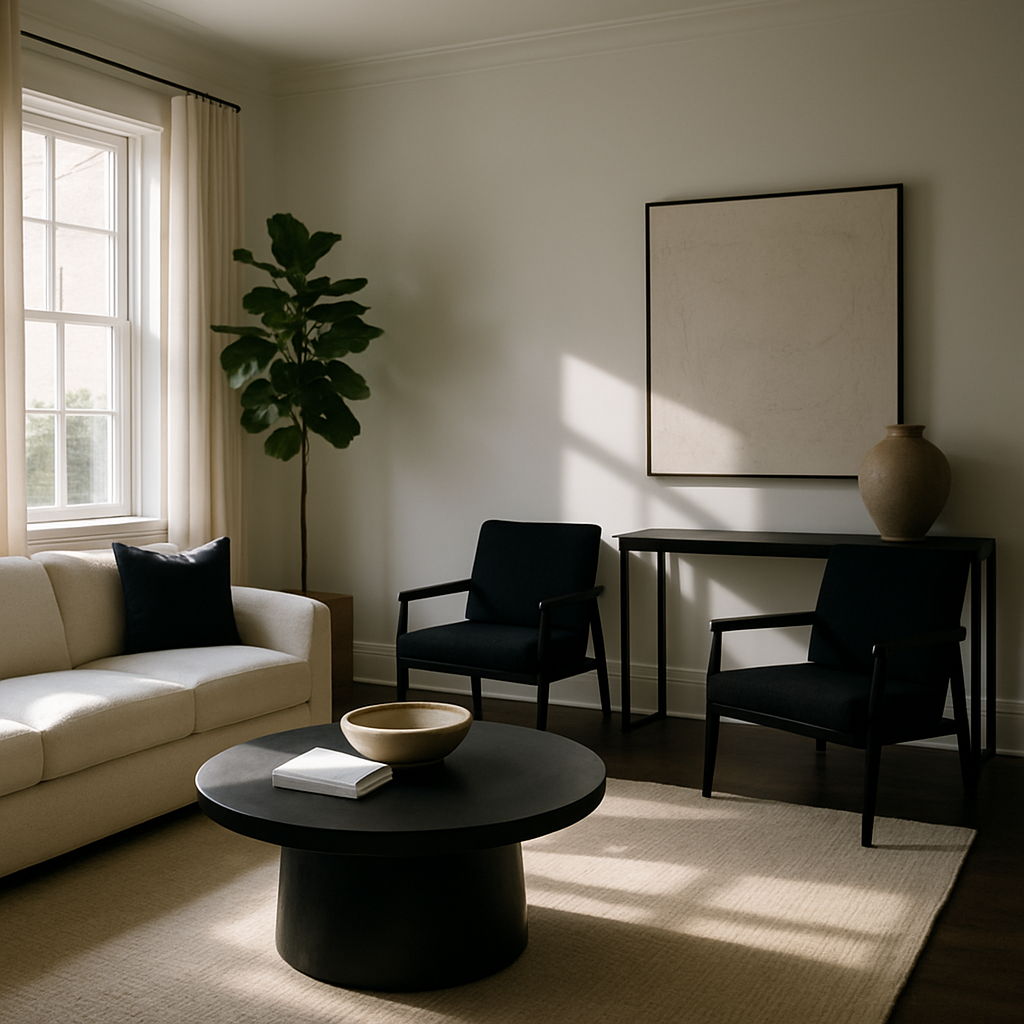
Imagine walking into a home that feels both uniquely yours and impeccably styled. According to the American Society of Interior Designers (ASID), well-designed interiors can increase a home's resale value by 5-15%. This statistic underscores the profound impact interior design can have not just on aesthetics, but also on financial assets. In this article, we will explore how partnering with local interior designers can elevate your style, delve into foundational design concepts, and examine current trends that are reshaping homes everywhere. We will also provide actionable strategies to ensure your design project aligns with your vision, and share expert insights to guide your journey.
Understanding the Role of Interior Designers
The role of an interior designer goes beyond selecting colors and arranging furniture. Certified interior designers, often holding credentials such as NCIDQ (National Council for Interior Design Qualification) or affiliations with organizations like ASID and IIDA (International Interior Design Association), are trained to deliver functional, safe, and aesthetically pleasing spaces. They bring a wealth of knowledge about spatial planning, safety regulations, and material properties.
Interior designers are skilled in creating cohesive environments that reflect the client's personal style while adhering to budgetary constraints. For example, they might recommend a biophilic design approach, which incorporates natural elements to improve well-being and create a soothing atmosphere. Wouldn't you love to bring the calming presence of nature into your living room?
Moreover, designers often act as project managers, coordinating with contractors and suppliers to ensure that the project progresses smoothly. This holistic approach not only saves clients time but also reduces the stress associated with home renovations. As you consider hiring a designer, think about the expertise they can offer and how it can transform your living space.
Data-Driven Design Decisions
Data plays a crucial role in modern interior design, influencing both aesthetics and functionality. According to a Houzz survey, 88% of homeowners who renovated their homes reported increased happiness and satisfaction with their living spaces. This statistic highlights the importance of thoughtful design choices that prioritize both beauty and comfort.
Designers utilize tools such as AR/VR visualization to present clients with realistic renderings of their proposed projects. These technologies enable homeowners to virtually walk through their redesigned spaces before any physical changes occur, reducing the likelihood of costly revisions. Have you ever imagined seeing your future living room before it's even built?
Additionally, designers rely on data to select sustainable materials that align with the client's environmental values. The trend towards sustainability is more than a passing fad, with many homeowners now willing to invest in eco-friendly materials that promise long-term benefits. By incorporating data into their design process, professionals ensure that each decision is informed and impactful.
Strategies for Collaborating with Designers
Successful collaboration with an interior designer starts with clear communication. Begin by outlining your design goals, preferred styles, and budget limitations. Are you drawn to the minimalist elegance of Japandi, or do you prefer the opulence of quiet luxury? Understanding your preferences will help the designer tailor their approach to your needs.
It's also beneficial to research and select the right designer for your project. Platforms like Houzz and AD PRO offer portfolios and reviews from certified professionals, providing insight into their past work and client satisfaction. Take the time to browse these resources to find a designer whose style resonates with your vision.
Once you've chosen a designer, discuss the project phases: concept development, design presentation, procurement, installation, and styling. Having a clear roadmap will keep the project on track and ensure all parties are aligned. Remember, the key to a successful design project lies in open dialogue and mutual understanding.
Incorporating 2026 Design Trends
The year 2026 brings exciting design trends that can redefine your home. Biophilic design, with its emphasis on natural light and organic materials, continues to gain popularity. Incorporating living walls or indoor gardens can enhance the connection between indoor and outdoor spaces, promoting tranquility and well-being.
Quiet luxury, characterized by understated elegance and high-quality materials, offers an alternative to the more ostentatious design styles. This trend focuses on creating sophisticated spaces that exude comfort and timelessness. Imagine sinking into a plush, neutral-toned sofa in a room accented with rich textures and curated art pieces.
Smart home integration is another trend transforming interiors. Automated systems for lighting, climate control, and window treatments provide convenience and energy efficiency. Designers can seamlessly incorporate these technologies into your home, ensuring they enhance rather than detract from the aesthetic. As you embark on your design project, consider which of these trends align with your lifestyle and preferences.
The Importance of Budget Planning
Setting a realistic budget is crucial for any interior design project. The cost of a single room redesign can range from $5,000 to $15,000, while a full-home transformation may exceed $150,000. Understanding these figures helps you allocate resources effectively and set reasonable expectations for your project.
Designers typically use various fee structures, including flat fees, hourly rates (ranging from $150 to $500 per hour), or a percentage of the total project cost (usually 10-25%). Being clear about your budget constraints from the outset allows designers to suggest cost-effective solutions without compromising on quality.
Experienced professionals often recommend setting aside a contingency fund for unexpected expenses. This financial cushion ensures that any unforeseen challenges can be addressed without derailing the entire project. By planning meticulously, you can achieve your design goals without facing financial strain.
Final Thoughts on Elevating Your Style
Transforming your space with the help of local interior designers offers a unique opportunity to blend professional expertise with personal style. By understanding the role of designers, leveraging data-driven insights, and embracing current trends, you can create a home that is both functional and beautiful.
As you consider embarking on this journey, remember that the key to success lies in collaboration and communication. Work closely with your designer to ensure that every decision aligns with your vision and lifestyle. Reflect on how these changes can enhance your daily life, offering comfort, joy, and a sense of belonging.
Conclusion: Start Your Design Journey Today
In conclusion, the decision to transform your space is a powerful one, capable of enhancing your home's aesthetic and value. By partnering with local interior designers, you gain access to expert knowledge and innovative solutions that can elevate your style. With careful planning and open communication, your dream space is within reach.
Ready to take the first step? Start by browsing portfolios on Houzz this week. Even 20 minutes of research will sharpen your eye for what you want. Engage with designers whose work resonates with you, and initiate those crucial conversations. Your transformed space awaits - take action today and watch your vision come to life.



Comments
Post a Comment