Transform Your Space: Key Insights from Frida Ramstedt's Interior Design Handbook
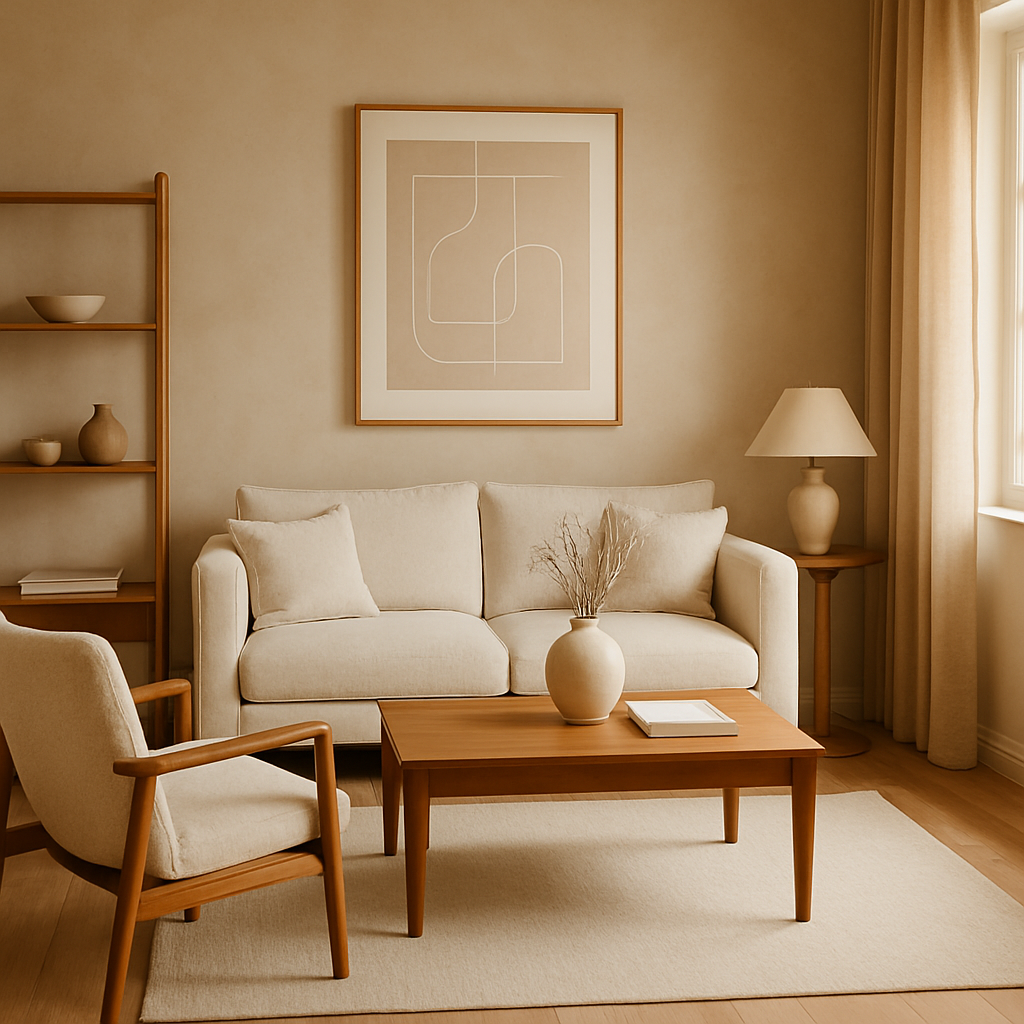
Imagine walking into your home and feeling an immediate sense of peace and satisfaction. According to a survey by Houzz, 87% of homeowners who recently completed a renovation reported increased happiness in their homes. Drawing inspiration from Frida Ramstedt's acclaimed Interior Design Handbook, you can achieve this transformation by understanding the underlying principles that make a space truly work. This article will delve into foundational concepts, analyze deeper insights, offer actionable strategies, and provide expert-level details to guide you in reshaping your environment.
Understanding Foundational Concepts
Frida Ramstedt's approach begins with the basics, emphasizing the importance of understanding the spatial dynamics of your home. She advocates for a focus on function over form, urging designers to prioritize how a space is used before considering aesthetics. This principle aligns with the views of the American Society of Interior Designers (ASID), which suggests that effective design enhances both usability and visual appeal.
One of the key concepts Ramstedt introduces is the "flow" of a room-how people move through and interact with the space. Are there natural paths created by furniture placement, or do you find yourself navigating around obstacles? To master this, Ramstedt recommends mapping out your daily routines and aligning them with your room layouts. This ensures that your space not only looks good but also supports your lifestyle seamlessly.
Additionally, Ramstedt emphasizes the psychological impact of color and lighting. The International Interior Design Association (IIDA) notes that color can influence mood and energy levels significantly. For example, blues and greens tend to be calming, making them ideal for bedrooms, while vibrant hues like red and orange can energize a space. Understanding these elements can profoundly affect how a space feels and functions.
Diving Deeper: Analyzing Data and Trends
To truly transform your space, it is crucial to consider current design trends supported by data. According to Houzz's annual survey, homeowners are increasingly interested in biophilic design, which integrates natural elements such as plants and natural light into interiors. This trend is not just about aesthetics; studies show that incorporating nature into your home can reduce stress and improve well-being.
Another compelling trend is the rise of smart home technology. As detailed in Architectural Digest's AD PRO network, integrating smart lighting, climate control, and automated window treatments can enhance the functionality of your home while providing energy savings. Have you considered how these technologies could simplify and enrich your daily life?
The concept of "quiet luxury" is also gaining traction, characterized by understated elegance and high-quality materials. This trend reflects a shift towards sustainability, with homeowners opting for durable, ethically sourced materials. According to industry surveys, about 60% of consumers are willing to pay more for sustainable products, highlighting a growing awareness of environmental impact in design choices.
Actionable Strategies for Your Home
Implementing Ramstedt's insights involves practical, step-by-step strategies. Begin by conducting a thorough audit of your current space. Identify cluttered areas or underutilized rooms and ask yourself: What functions are missing or unnecessary? Experienced professionals often note that decluttering not only improves aesthetics but also enhances mental clarity.
Next, consider rearranging furniture to improve flow and functionality. This might mean moving a couch to create a more defined living area or repositioning a desk to take advantage of natural light. Tools like AR/VR room visualization, increasingly used by designers, can help you experiment with different layouts without physically moving anything. This technology allows you to see potential changes in real-time, providing confidence in your decisions.
When it comes to color, start small by incorporating new hues through accessories such as cushions, throws, or artwork. Ramstedt suggests experimenting with a color palette that complements your existing decor but adds fresh energy. You can always expand to larger areas like walls once you're comfortable with your initial choices. This gradual approach reduces the risk of overwhelming changes.
Expert-Level Detail: Certification and Credentials
Understanding the credentials that signal expertise in interior design can also play a pivotal role in transforming your space. Certified interior designers often hold the NCIDQ (National Council for Interior Design Qualification) credential, which represents the gold standard in the industry. This ensures they have met rigorous education and experience requirements.
Hiring a certified professional can be invaluable, especially for complex projects. They bring a depth of knowledge about building codes, safety regulations, and design principles that can elevate your project beyond DIY efforts. As the ASID directory demonstrates, certified designers are equipped to handle everything from concept development to installation, offering a seamless design experience.
Furthermore, understanding fee structures is crucial when working with professionals. Common models include flat fees, hourly rates, and a percentage of the total project cost. For instance, a single room redesign might range from $5,000 to $15,000, while a full-home project could exceed $150,000. Knowing these details can help you budget effectively and choose a designer whose pricing aligns with your financial expectations.
Additional Depth: The Role of Inspiration and Research
Drawing inspiration from diverse sources can significantly enhance the design process. Platforms like Houzz and Pinterest offer a wealth of ideas and allow you to curate a personalized style board. Have you explored these resources to refine your vision for your space?
Engaging with professional networks, such as the IIDA or local AIA (American Institute of Architects) chapters, can provide access to the latest industry insights and trends. These organizations often host events and workshops that can deepen your understanding and spur creativity.
Moreover, real-world examples from designer portfolios can serve as powerful inspiration. Instagram, in particular, provides an extensive range of visual content that can help you identify styles and elements that resonate with you. By examining these portfolios, you can better communicate your preferences to a designer, ensuring a collaborative and satisfying design process.
Final Perspectives: Bringing It All Together
Transforming your space is both an art and a science, as Frida Ramstedt's handbook illustrates. By understanding foundational concepts, analyzing trends, and implementing actionable strategies, you can create a home that truly reflects your personality and lifestyle. Have you considered how each element discussed might apply to your own space?
Ultimately, the key is to remain open to experimentation and refinement. Design is an evolving process, and your home should grow and adapt with you. Whether you choose to go it alone or seek professional guidance, the insights provided here serve as a strong foundation for your journey.
As you embark on this transformation, remember the words of many experienced designers: the most successful spaces are those that feel both lived-in and loved. Your home should be a testament to your journey, a space that welcomes you at every turn.
Conclusion: Take the First Step
In summary, Frida Ramstedt's Interior Design Handbook offers invaluable insights that can dramatically transform your living space. By focusing on foundational principles, analyzing current trends, and employing actionable strategies, you can create a home that is both functional and beautiful.
Ready to start your design journey? Begin by browsing designer portfolios on Houzz or Pinterest this week. Even dedicating just 20 minutes to research will sharpen your eye for what you truly want. Remember, the first step is often the most significant, so take it with confidence and watch your space transform into a reflection of your best self.


Comments
Post a Comment