Transform Your Space: Innovative House Interior Design Ideas You Need
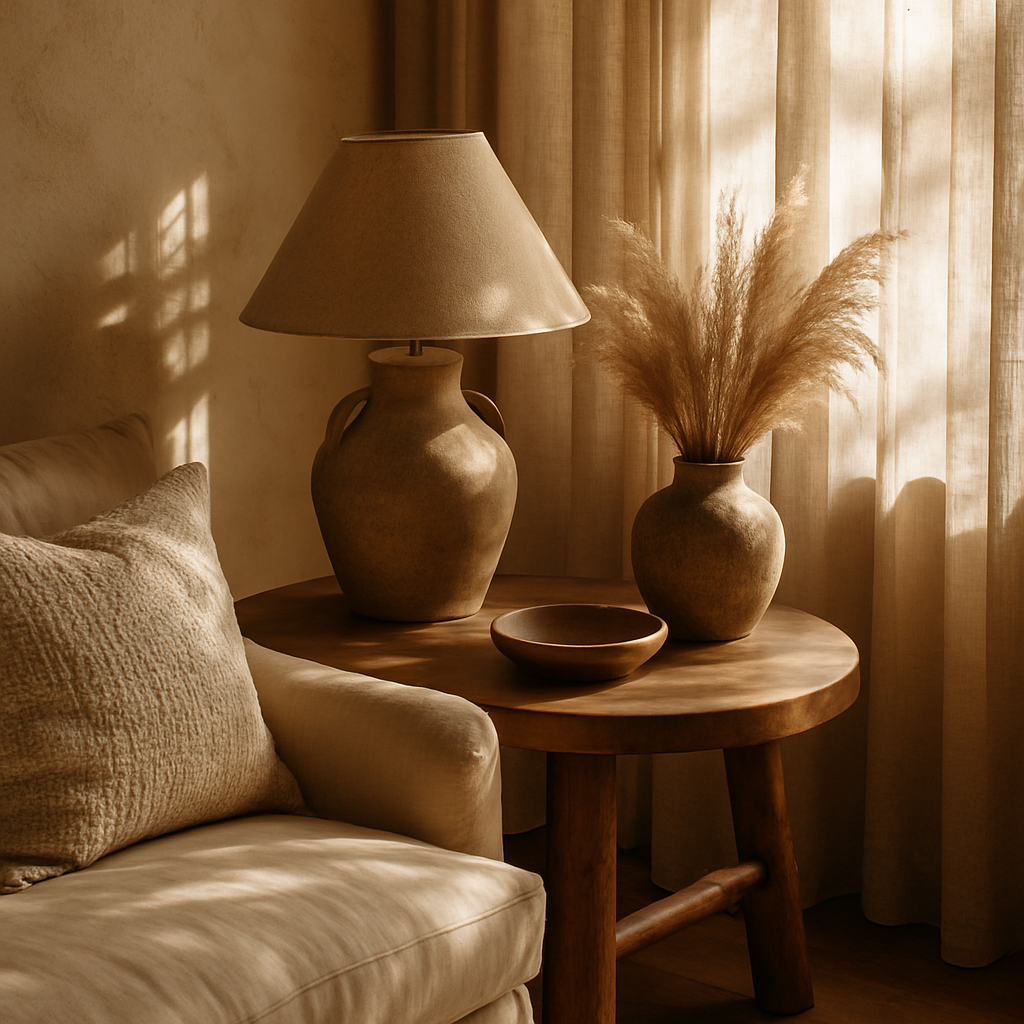
Imagine walking into a room and feeling an immediate sense of peace and purpose. According to a recent Houzz survey, 75% of homeowners reported increased happiness after redecorating their interiors. Transforming your space isn't just about aesthetics; it's about enhancing your daily life. This article will explore innovative house interior design ideas that can redefine your living experience. We'll delve into foundational design principles, analyze current trends with data-backed insights, provide actionable strategies for execution, and share expert-level details to inspire your next project. Whether you're planning a major redesign or subtle refresh, these insights will equip you to create a space that truly feels like home.
Foundational Concepts in Interior Design
The foundation of any successful interior design project begins with understanding the core principles that guide the process. The first step is to grasp the concept of space planning. This involves analyzing the functional use of each room, determining focal points, and ensuring a natural flow. Experienced professionals often note that poor space planning can lead to disjointed spaces that feel cramped or underutilized. By mapping out how each area is used - where you unwind, where you entertain, and where you work - you can create a layout that supports your lifestyle.
Another fundamental aspect is color theory. Color can dramatically affect mood and perception of space. Cooler tones can evoke calmness and serenity, while warmer hues bring energy and vibrancy. The American Society of Interior Designers (ASID) suggests experimenting with different shades to find the perfect balance that resonates with your personality and the room's purpose. For example, a soft blue might be ideal for a bedroom, encouraging relaxation, whereas a lively orange could invigorate a home office.
Lighting is the third cornerstone of effective interior design. It not only highlights architectural features but also enhances the ambiance. Layered lighting - combining ambient, task, and accent lighting - can transform a flat, uninspired room into a dynamic, engaging space. Consider how natural light interacts with artificial sources throughout the day. This interplay can be crucial in spaces like the kitchen, where functionality and mood must coexist harmoniously. With these foundational concepts in mind, you're ready to explore deeper design strategies.
Analyzing Current Trends with Data
As you venture into transforming your space, it's essential to consider the latest interior design trends. Biophilic design, which incorporates natural elements into interiors, is gaining significant popularity. Houzz reports that 58% of homeowners are integrating elements like living walls and natural materials into their homes. This trend not only enhances aesthetics but also promotes well-being by connecting occupants with nature. Imagine a living room with a lush, green wall that purifies the air and provides a striking visual centerpiece.
The concept of "quiet luxury" is another trend making waves. It emphasizes understated elegance through high-quality materials and meticulous craftsmanship, rather than ostentatious displays. This trend resonates with those who value subtlety and sophistication over flashy finishes. According to Architectural Digest's AD PRO network, the demand for handcrafted, bespoke furniture pieces has increased by 40% in the past year. By opting for timeless designs and neutral palettes, you can achieve a refined look that stands the test of time.
Smart home integration is revolutionizing how we interact with our spaces. Automated lighting, climate control, and window treatments not only offer convenience but also enhance energy efficiency. The International Interior Design Association (IIDA) highlights that smart home technology can reduce energy bills by up to 30%. Consider incorporating smart systems that allow you to control your environment with ease, creating a seamless blend of functionality and style. As you analyze these trends, think about which ones align with your lifestyle and aspirations.
Actionable Strategies for Implementation
Armed with insights into foundational principles and current trends, it's time to implement these ideas into your home. Begin by setting a clear budget. Homeowner surveys suggest that a single room redesign typically costs between $5,000 and $15,000, while full-home projects range from $50,000 to $150,000. Knowing your budget will guide your decisions on materials, furnishings, and professional services. Consider working with a certified interior designer who holds NCIDQ (National Council for Interior Design Qualification) credentials to ensure your project is managed effectively.
Next, create a mood board to visualize your design aspirations. Platforms like Pinterest and Instagram are excellent resources for gathering inspiration and defining your style. Collect images, color swatches, and fabric samples that resonate with your vision. This process will not only clarify your preferences but also serve as a valuable communication tool when collaborating with designers or contractors. Have you ever created a mood board before? If not, it's a fantastic way to articulate your ideas without needing a design background.
Lastly, focus on the details. Accessories, textiles, and artwork are the finishing touches that bring your space to life. These elements should reflect your personality and create a cohesive look. Consider mixing textures, such as pairing a velvet sofa with a chunky knit throw, to add depth and interest. As you refine your interiors, remember that personalization is key. These strategies will empower you to execute a design that is both beautiful and functional.
Expert-Level Details for Design Enthusiasts
For those seeking to delve deeper into interior design excellence, understanding the procurement process is essential. This phase involves sourcing and purchasing furniture, materials, and accessories. Many designers operate on a fee structure that includes a percentage of total project costs or procurement markups. Typically, this ranges from 10-25%. Engaging with a designer can streamline this complex process, ensuring you receive trade discounts and access to exclusive pieces not available to the general public.
Another advanced aspect is the integration of AR/VR tools in design. These technologies allow you to visualize room layouts and furnishings in a virtual environment before committing to purchases. Designers increasingly use these tools to present concepts to clients, minimizing uncertainty and enhancing decision-making. Imagine walking through a digital version of your redesigned living room, adjusting colors and furniture placements in real-time. This capability transforms the design process, providing clarity and confidence.
Finally, consider sustainable design practices. Incorporating reclaimed materials and energy-efficient systems not only benefits the environment but also adds character to your space. The use of sustainable materials, like bamboo flooring or recycled glass tiles, can reduce your carbon footprint while offering unique aesthetic qualities. Industry professionals suggest that sustainable interiors can also enhance property value by appealing to eco-conscious buyers. As you explore these expert-level details, think about how they might elevate your design project.
Additional Depth: Overcoming Common Challenges
Even the most well-planned interior design projects face challenges. One common issue is managing timelines. Delays in material deliveries or contractor schedules can disrupt your plans. To mitigate this risk, establish a realistic timeline with buffer periods for potential setbacks. Regular communication with your designer or project manager will help keep the project on track. Have you encountered timeline issues in past projects? If so, consider these strategies to avoid recurrence.
Budget overruns are another frequent concern. Unexpected costs can arise from changes in scope or unforeseen issues during renovation. To prevent this, allocate a contingency fund of at least 10% of your total budget. This safety net allows you to address surprises without compromising your overall vision. Additionally, transparent communication with your design team about priorities and constraints can prevent misunderstandings.
Lastly, achieving consensus among stakeholders can be challenging, especially in family settings. Differing tastes and needs require compromise and collaboration. Setting clear goals and involving all parties in key decisions can foster harmony and satisfaction. By addressing these common challenges proactively, you can ensure a smoother, more successful design process.
Final Perspectives on Transforming Your Space
As you embark on your journey to transform your space, remember that patience and planning are your greatest allies. The design process is inherently iterative, requiring adjustments and refinements to achieve the desired outcome. Embrace the creativity and exploration involved, as these elements often lead to the most rewarding results. What aspects of design excite you most? Allow these passions to guide your decisions and inspire your creativity.
Consider enlisting the help of professional designers and tradespeople who can bring your vision to life with precision and expertise. Their insights and experience can make a significant difference in navigating complex decisions and avoiding pitfalls. By blending professional guidance with your unique style, you can create a home that not only meets your needs but exceeds your expectations.
In conclusion, transforming your space requires a thoughtful approach, a willingness to embrace new trends, and a commitment to personal expression. By applying the insights and strategies discussed, you can confidently embark on your design journey and create a home that truly reflects who you are.
Conclusion: Take the Next Step in Your Design Journey
To transform your space with innovative house interior design ideas, start by setting clear goals and gathering inspiration. Explore the latest trends, such as biophilic design and smart home integration, and consider how they align with your lifestyle. Armed with knowledge and creativity, you can create spaces that resonate with your identity and enhance your daily life. Are you ready to begin?
Your next step is to dive into the world of design resources. Start by browsing designer portfolios on Houzz or checking out the latest from Architectural Digest. Even 20 minutes of research will sharpen your eye for what you want. Whether you're tackling a single room or an entire house, remember that the key to success lies in thoughtful planning and execution. Your dream space awaits - take the first step today.


Comments
Post a Comment