Transform Your Space: How an Interior Designer Can Elevate Your Home
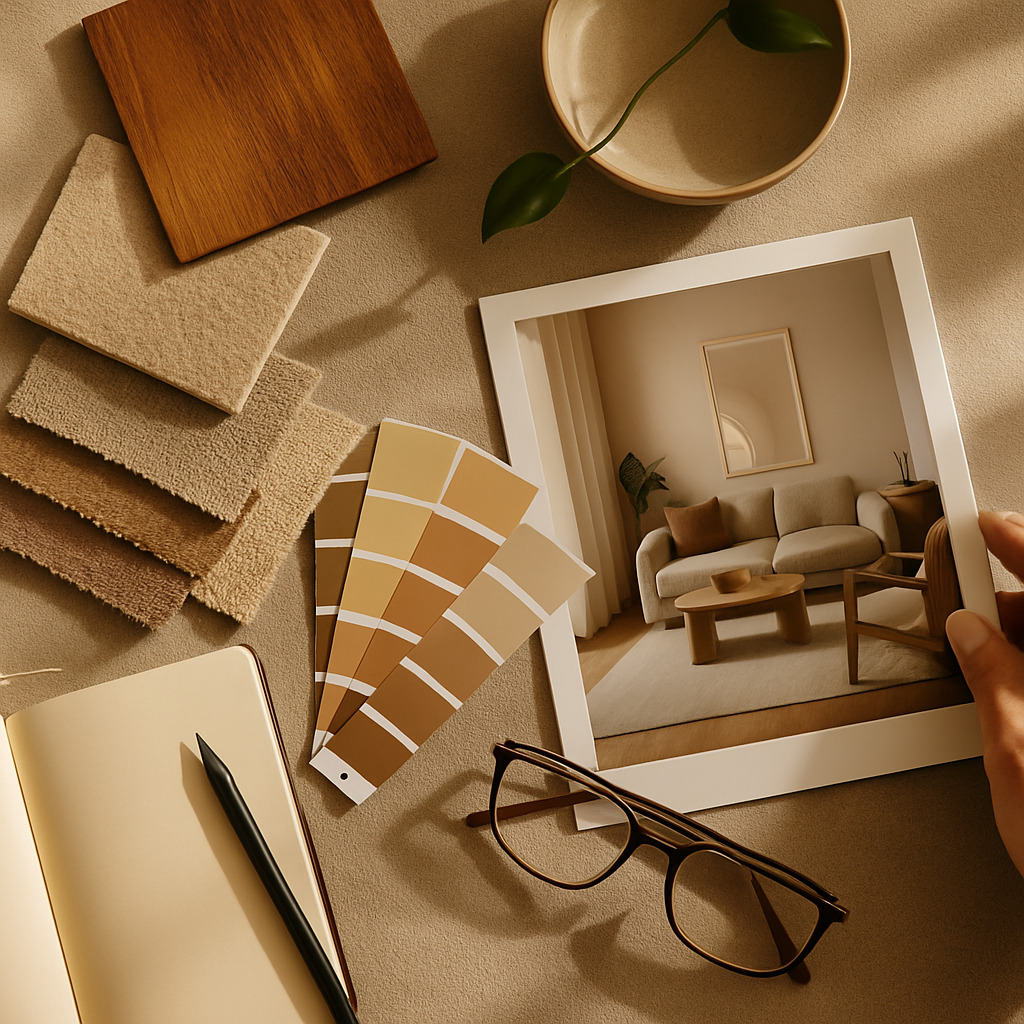
Imagine walking into a room that feels just right-the colors, the layout, the ambiance all perfectly aligned with your personal style. According to a Houzz survey, 75% of homeowners reported increased satisfaction with their homes after a redesign. This is the magic an interior designer can bring to your space. In this article, we'll explore how hiring an interior designer can transform your home, introducing foundational concepts, delving into deeper analyses with concrete data, and providing actionable strategies for you to consider. Whether you're looking to refresh a single room or undertake a full-home makeover, understanding the role of an interior designer is the first step in elevating your living space.
The Foundation of Interior Design
At its core, interior design is about creating spaces that are both functional and aesthetically pleasing. This involves more than just choosing colors and furniture; it requires a deep understanding of how people use and interact with their environments. Certified interior designers, often holding credentials such as the NCIDQ (National Council for Interior Design Qualification), bring a wealth of knowledge about spatial planning, lighting, and ergonomics. These professionals leverage their expertise to ensure that your home not only looks good but also works well for your lifestyle.
Understanding the phases of a typical design project is crucial. It begins with concept development, where designers work with you to understand your needs and preferences. This is followed by design presentation, where ideas are visualized through sketches or digital models. The procurement phase involves selecting and sourcing materials and furnishings, while installation and styling bring the vision to life. Each step is meticulously planned to ensure that the final outcome exceeds expectations.
Have you ever considered how a well-designed space might affect your mood or productivity? Research suggests that environments that incorporate natural elements and thoughtful design can enhance well-being. This is where the concept of biophilic design comes into play, emphasizing natural materials and an indoor-outdoor flow. An experienced interior designer can seamlessly integrate these elements into your home, creating a sanctuary that supports your lifestyle.
Analyzing the Impact of Design
Statistics from the American Society of Interior Designers (ASID) highlight the tangible benefits of investing in professional design services. Homes with well-executed interior design can see a resale value increase of 5-15%. This financial upside is complemented by the day-to-day benefits of living in a thoughtfully curated space. Whether it's a more efficient kitchen workflow or a calming bedroom retreat, the advantages are clear.
Beyond financial considerations, the impact of interior design on mental and emotional well-being is profound. According to a study published by Architectural Digest, people living in well-designed homes report higher levels of happiness and satisfaction. This is particularly true in environments that incorporate elements of quiet luxury and understated elegance-trends that are gaining traction in 2026.
Moreover, the integration of smart home technology is revolutionizing how we interact with our living spaces. Automated lighting, climate control, and window treatments are no longer futuristic concepts but practical enhancements that interior designers can incorporate seamlessly into your home. Have you thought about how these technologies might simplify your daily routines? The right designer can guide you through the selection and integration process, ensuring that these high-tech features add genuine value.
Actionable Strategies for Home Transformation
Embarking on a home transformation project can feel daunting, but with a clear strategy, the process becomes much more manageable. Start by mapping out how you actually use each room. This practical exercise helps identify areas that need improvement and those that are working well. For example, if your living room doubles as a workspace, consider furniture that accommodates both relaxation and productivity.
Next, set a realistic budget for your project. According to industry professionals, a single room redesign might range from $5,000 to $15,000, while a full-home transformation could exceed $50,000. Understanding these costs upfront allows you to plan effectively and prioritize your spending on areas that will have the most impact. Consider whether a flat fee or hourly rate arrangement works best for your budget, and be sure to discuss this with your designer from the outset.
Finally, engage with platforms like Houzz and Pinterest for inspiration and to refine your aesthetic preferences. These resources are invaluable for visualizing how different styles and elements can come together in your space. An experienced designer will help translate these inspirations into reality, guiding you through the myriad choices to create a cohesive and personalized design.
Expert Insights into Design Trends
Experienced professionals often note that staying abreast of design trends is key to creating timeless interiors. One such trend is Japandi, a fusion of Japanese minimalism and Scandinavian warmth, which offers a harmonious balance of simplicity and coziness. This style is perfect for those who appreciate clean lines and natural materials, making it both stylish and sustainable.
Another trend gaining momentum is the use of sustainable and reclaimed materials. As environmental consciousness becomes more prevalent, interior designers are increasingly sourcing materials that reduce the ecological footprint. Whether it's reclaimed wood flooring or recycled glass tiles, these choices contribute to a more sustainable future while adding unique character to your home.
Virtual and augmented reality (AR/VR) tools are also transforming the design process. These technologies allow designers to provide clients with immersive previews of proposed designs, enhancing decision-making and ensuring satisfaction with the final outcome. Imagine virtually walking through your redesigned home before a single piece of furniture is moved. This level of interactivity not only empowers you but also ensures that your vision aligns perfectly with the designer's execution.
Beyond the Basics: Advanced Design Considerations
Delving deeper into the intricacies of design, it's important to consider the psychological impact of color and texture. Colors can evoke various emotions and set the tone for a room. For instance, blues and greens are often associated with calmness and tranquility, making them ideal for bedrooms and bathrooms. Textures, on the other hand, add depth and interest, transforming a flat space into a dynamic environment.
The role of lighting cannot be understated in interior design. Proper lighting enhances the ambiance and functionality of a space. Layered lighting strategies, which combine ambient, task, and accent lighting, create a versatile environment suitable for various activities and moods. Have you ever noticed how a well-lit room feels more inviting? A skilled designer can tailor lighting solutions to highlight architectural features and create focal points within your home.
Furniture selection also plays a critical role in both form and function. The International Interior Design Association (IIDA) emphasizes the importance of choosing pieces that complement the scale and proportion of a room. Oversized furniture in a small space can feel cramped, while too-small pieces might look lost. Balancing these elements is crucial for achieving a harmonious and visually appealing design.
Final Perspectives on Transforming Your Space
As you embark on your home transformation journey, remember that the process is as important as the final result. Collaborating with a certified interior designer ensures that your vision is realized with precision and creativity. The expertise they bring, coupled with a deep understanding of your preferences, can turn even the simplest ideas into stunning realities.
Reflect on what aspects of your home currently bring you joy and which areas might benefit from a designer's touch. This self-assessment is the first step in creating a space that truly feels like home. Are there rooms that remain underutilized or features that could be enhanced? An interior designer can provide the guidance needed to unlock the full potential of your space.
Conclusion: Your Path to a Transformed Home
In summary, hiring an interior designer can significantly elevate your home by blending functionality with aesthetic appeal. From foundational design concepts to advanced strategies and trends, the insights provided by professionals ensure a comprehensive approach to transforming your space. As you consider embarking on your design journey, begin by exploring designer portfolios on platforms like Houzz. Even dedicating just 20 minutes a week to research can sharpen your vision and help you articulate your desires more clearly.
Ready to transform your home? Start by reaching out to a certified interior designer in your area. Their expertise and creative vision will guide you in making informed decisions that align with your goals and lifestyle. With the right partnership, your home can become a sanctuary that truly reflects who you are and how you live.



Comments
Post a Comment