Transform Your Space: How an Interior Design Studio Elevates Your Home Style
There is a moment in every successful design project when a homeowner walks into their newly transformed room and realizes that the space feels different at a fundamental level, not just rearranged or redecorated but genuinely reimagined. That transformation is the product of professional expertise that goes far deeper than selecting attractive furniture and hanging art at the right height. Interior design studios bring a comprehensive approach to residential spaces that considers spatial flow, light behavior, material interaction, psychological comfort, and long-term livability as interconnected elements of a single vision. According to the National Council for Interior Design Qualification (NCIDQ), certified designers complete a minimum of 3,500 hours of supervised experience before qualifying to practice independently, a level of training that translates directly into the quality and thoughtfulness of their work. If you have been contemplating whether professional studio expertise is worth the investment, understanding what these professionals actually do behind the scenes will help you make an informed decision about the most personal investment you can make: the spaces where you live.
What Sets a Professional Design Studio Apart from DIY Approaches
The gap between professional design studio work and do-it-yourself decorating is not simply a matter of budget or access to trade-only products, though both factors play a role. The fundamental difference lies in spatial thinking, the ability to perceive a room not as a collection of surfaces to be decorated but as a three-dimensional environment where every element influences every other element. A professional designer considers how the height of a ceiling affects the perceived width of a room, how the direction of floor planking guides the eye toward or away from focal points, and how the placement of a single mirror can double the apparent depth of a narrow hallway. This holistic spatial awareness is developed through formal education and thousands of hours of practice, and it produces results that even the most design-savvy homeowner struggles to replicate independently.
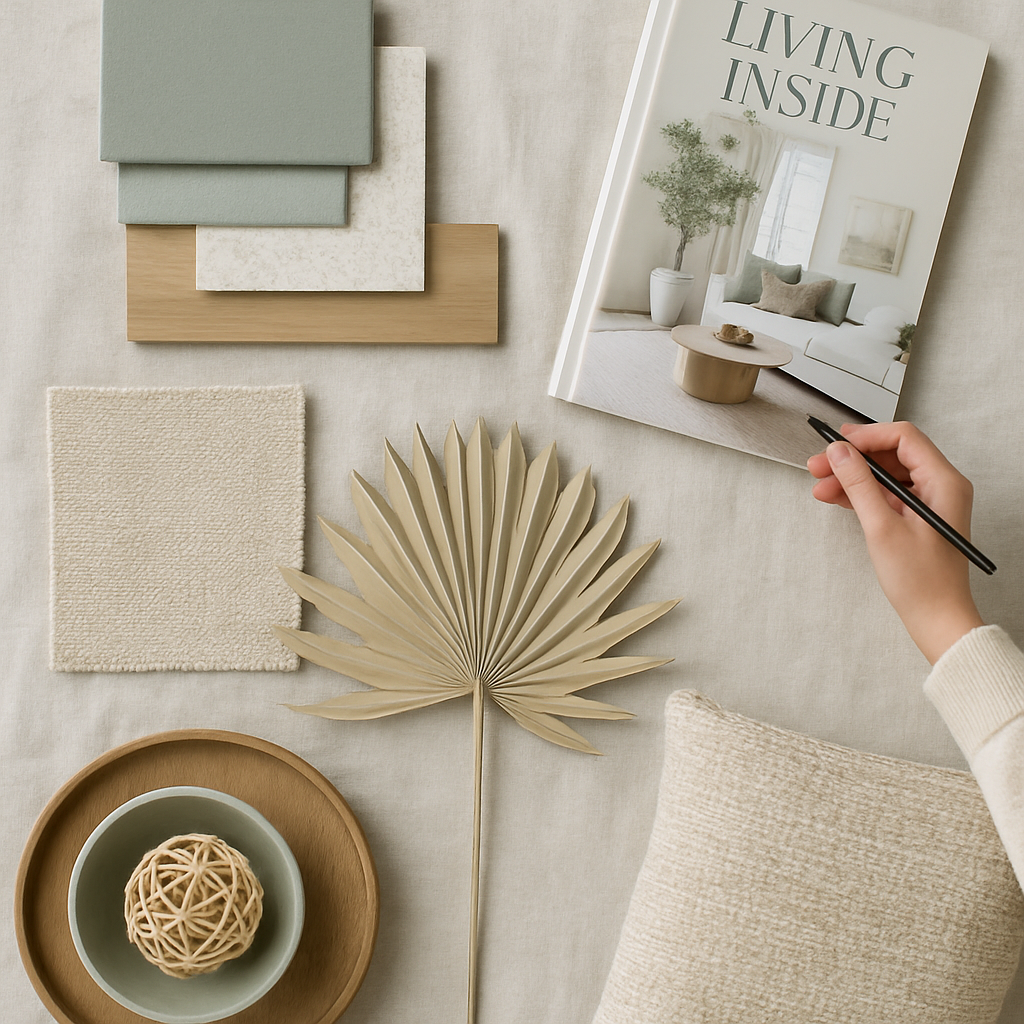
Material expertise represents another critical distinction. Interior design studios maintain extensive libraries of fabric, stone, wood, metal, and composite samples that allow designers to evaluate how materials interact in terms of color, texture, reflectivity, and tactile quality. A fabric that looks perfect on a digital screen may feel wrong in person because its sheen clashes with the matte finish of adjacent surfaces, or because its weave pattern creates a visual vibration against a particular wall texture. Studios affiliated with organizations like ASID often have access to trade showrooms where they can source materials unavailable through retail channels, including performance fabrics engineered for specific durability requirements and natural stones selected for consistency of veining and color.
Project management capability is the third pillar that separates studio work from independent efforts. Coordinating the delivery and installation of furnishings, managing relationships with contractors and artisans, sequencing work to minimize disruption, and troubleshooting the inevitable complications that arise during any project require organizational skills and industry relationships that take years to develop. When a custom upholstered sofa arrives with a fabric defect, a homeowner faces a frustrating and time-consuming resolution process. A design studio with established vendor relationships resolves the same issue with a phone call and a replacement timeline. This behind-the-scenes management is invisible when it works well, which is precisely why its value is often underappreciated until something goes wrong.
The Design Process: From Initial Consultation to Final Installation
Professional interior design studios follow a structured process that transforms abstract preferences into tangible, livable spaces through a series of defined phases. The process typically begins with a discovery consultation where the designer visits the home, photographs existing conditions, takes detailed measurements, and conducts an extended conversation about how the household uses each space. This conversation goes beyond surface-level aesthetic preferences to explore daily routines, entertaining habits, work-from-home requirements, pet accommodations, and long-term plans such as anticipated family growth or aging-in-place considerations. The IIDA recommends that this discovery phase consume at least ten percent of the total project timeline to ensure that the design brief is comprehensive and accurate.
Concept development follows discovery and typically produces two or three distinct design directions for the client to evaluate. Each concept is presented through mood boards, material samples, preliminary floor plans, and increasingly through three-dimensional renderings that show the proposed space from multiple viewpoints. This phase is where the collaborative nature of the designer-client relationship is most visible: clients provide feedback on each concept, and the designer refines the chosen direction through successive rounds of revision. The best design studios welcome candid feedback and view client pushback not as criticism but as essential data that shapes a more authentic result. How forthcoming are you prepared to be about what you truly want versus what you think you should want?
Implementation is the phase where plans become physical reality, and it is here that studio resources and relationships prove most valuable. Designers issue purchase orders for furnishings and materials, coordinate delivery schedules to align with installation sequences, and conduct quality inspections as items arrive. For projects involving custom elements such as built-in cabinetry, bespoke lighting fixtures, or commissioned artwork, the designer manages the fabrication process from specification through final installation. The project concludes with a styling session where the designer places accessories, adjusts lighting, and makes final refinements that bring the space to its intended level of completeness. This final session is often the most emotionally rewarding phase for clients, as the accumulated months of planning and procurement converge into a tangible transformation.
Understanding Fee Structures and Investment Value
Design studio fee structures vary across the industry, and understanding the common models helps homeowners evaluate proposals with confidence. The most prevalent approaches include hourly billing, flat fees per room, percentage of total project cost, and hybrid models that combine elements of each. Hourly rates for experienced studio designers typically fall between $150 and $500, with the range reflecting factors such as geographic market, designer reputation, project complexity, and studio overhead costs. Flat fees for complete room designs generally range from $5,000 to $15,000, inclusive of design development, product specification, and procurement management but exclusive of the actual cost of furnishings and materials.
The return on investment for professional design extends beyond aesthetic satisfaction to include measurable financial benefits. Well-designed homes command higher resale values, with industry analyses reported through AD PRO suggesting that professionally designed interiors can increase a property's market value by five to fifteen percent relative to comparable undirected properties. Additionally, professional designers make fewer costly mistakes than homeowners working independently. The wrong-sized rug that cannot be returned, the paint color that looked right on the chip but wrong on the wall, the dining table that blocks a traffic path: these errors are individually modest but collectively can represent thousands of dollars in wasted expenditure. A design studio's expertise prevents most of these mistakes before they occur.
Transparency in fee communication is a hallmark of reputable studios, and homeowners should expect a clear written proposal before any work begins. This proposal should specify the scope of services, the fee structure and estimated total, the expected timeline with defined milestones, the revision policy, and the terms for purchasing products on the client's behalf. Studios that are reluctant to provide this level of detail before engagement are worth approaching with caution. NCIDQ ethical standards require certified designers to maintain transparency in all financial dealings with clients, and adherence to this standard is a reliable indicator of professional integrity.
How Studios Approach Different Design Philosophies
One of the most valuable aspects of working with a professional studio is gaining access to a designer who can interpret and execute across multiple aesthetic philosophies rather than defaulting to a single signature style. The Japandi movement, which merges Japanese wabi-sabi sensibility with Scandinavian functional minimalism, requires a nuanced understanding of both traditions to execute authentically. A studio designer versed in this philosophy knows that Japandi is not simply clean lines with natural wood but a deliberate cultivation of imperfection, asymmetry, and the beauty of aged materials combined with the democratic functionality that defines Scandinavian design. The result is spaces that feel simultaneously serene and warm, spare and inviting.
Quiet luxury represents a different philosophical challenge that studios are increasingly asked to address. Unlike traditional luxury design, which often signals wealth through visible brand markers, ornate detailing, and precious materials used in conspicuous quantities, quiet luxury achieves its effect through restraint. The emphasis falls on the quality of construction, the hand of fabrics, the precision of proportions, and the subtlety of tonal relationships rather than the recognizability of labels. A studio working in this register might specify a sofa upholstered in an Italian wool-cashmere blend whose beauty is entirely tactile, paired with a coffee table made from a single slab of bookmatched walnut whose figure provides all the visual interest the room needs. Do you find yourself drawn more to spaces that announce their quality or those that reveal it gradually through use and proximity?
Biophilic design has become a central consideration for studios responding to the growing body of research linking natural elements in interior environments to measurable health outcomes. Studies referenced by ASID have documented that residents of biophilically designed spaces report up to 15 percent lower stress levels and measurably improved sleep quality. Professional studios implement biophilic principles at multiple scales: macro interventions like living walls, water features, and expansive glazing that connects interior and exterior environments; mid-scale strategies such as natural material palettes, organic furniture forms, and plant integration; and micro-level details including nature-inspired textile patterns, circadian-responsive lighting, and acoustic treatments that replicate the sound-dampening qualities of natural landscapes. This multi-scale approach produces environments that feel instinctively comfortable without the occupant necessarily understanding why.
Collaborating with Your Design Studio for Optimal Outcomes
The most successful design studio relationships are genuine partnerships where both parties contribute distinct expertise toward a shared vision. Clients bring irreplaceable knowledge about their own lives: how they cook, where they read, how they entertain, what objects carry emotional significance, and what daily frustrations their current space creates. Designers bring the technical skill to translate that self-knowledge into spatial solutions. When both contributions are valued equally, the result is a home that is both professionally refined and deeply personal. Studios affiliated with professional organizations like IIDA emphasize this collaborative model as best practice, recognizing that designer-imposed aesthetics without client input produce impressive portfolios but uncomfortable homes.
Communication frequency and format matter more than most clients realize at the outset of a project. Establishing expectations early about how often you will receive updates, through what channels, and what decisions require your active participation prevents the two most common sources of client frustration: feeling uninformed about progress and feeling overwhelmed by constant decision requests. Most studios assign a dedicated project manager who serves as the primary point of contact, filtering routine decisions from those that require client involvement. This structure allows the creative designer to focus on design development while ensuring that the client receives consistent, organized communication about timeline, budget, and milestone status.
Trust is the foundation of the entire collaboration, and it must flow in both directions. Clients need to trust that their designer is making recommendations based on expertise and the client's best interests rather than vendor commissions or personal preference. Designers need to trust that clients are being honest about their reactions and will provide timely feedback rather than silently accumulating dissatisfaction. Building this mutual trust takes time, which is why the discovery phase is so important: it is not merely an information-gathering exercise but an opportunity for both parties to assess compatibility and establish the communication patterns that will sustain the project through its inevitable challenges. The strongest studio relationships often extend across multiple projects and years, evolving into ongoing advisory partnerships that adapt as clients' lives and tastes change.
Maintaining and Evolving Your Professionally Designed Space
A professionally designed room is not a frozen moment but a living environment that should evolve alongside the people who inhabit it. The best studios design with this evolution in mind, selecting foundational elements, large upholstered pieces, case goods, lighting fixtures, and architectural finishes, with enough character to anchor a room but enough neutrality to accommodate changing accessories, art, and seasonal textiles. This strategy creates what designers call a resilient palette, a base that supports variation without requiring wholesale replacement when tastes shift or trends evolve. The economics of this approach are compelling: investing in quality foundations that last fifteen to twenty years while refreshing accessories every few years costs substantially less over time than replacing entire rooms every five to seven years.
Seasonal refreshes are a simple and affordable way to keep a designed space feeling current without undermining the original design intent. Swapping lightweight linen cushion covers for heavier velvet versions as temperatures drop, rotating artwork between rooms to create fresh visual relationships, and introducing seasonal botanicals ranging from forced spring branches to autumn dried arrangements can transform the feeling of a room at minimal cost. Many studios offer ongoing advisory services for clients who want professional guidance with these periodic updates, typically structured as annual or semi-annual refresh consultations priced at a fraction of the original project fee.
Documentation is an often overlooked aspect of maintaining a designed space. Reputable studios provide clients with a comprehensive project binder upon completion that includes paint formulas with manufacturer and color codes, fabric specifications with vendor contact information for reordering, care instructions for every material specified, warranty information for furnishings and fixtures, and scaled floor plans showing furniture placement. This documentation becomes invaluable when a cushion needs recovering, a paint touch-up is required, or a piece of furniture needs replacement. Without it, matching existing elements becomes a guessing game that rarely produces satisfactory results. If your studio does not automatically provide this documentation, request it before the final invoice is paid, as compiling it after the fact is far more difficult than creating it during the project.
Conclusion: Making the Decision to Invest in Professional Design
The decision to engage a professional interior design studio is ultimately a decision about the quality of your daily experience. You spend more waking hours in your home than in any other environment, and the design of that environment directly affects your comfort, productivity, mood, and sense of identity. Professional studios bring a depth of knowledge, a breadth of resources, and a discipline of process that transforms the daunting complexity of residential design into a structured, enjoyable journey with a rewarding destination. The investment is real, but so are the returns: spaces that function better, last longer, and bring more satisfaction than self-directed efforts typically achieve. If you have been hesitating, consider starting with a single room consultation to experience the studio process firsthand without committing to a whole-home project. Contact a studio whose portfolio resonates with your sensibilities, ask about their discovery consultation format, and allow yourself to explore what your home could become with expert guidance. The first conversation costs nothing but an hour of your time, and the perspective it provides is invariably worth that modest investment.
More Articles You May Like



Comments
Post a Comment