Transform Your Space: How Chat GPT is Revolutionizing Interior Design Trends
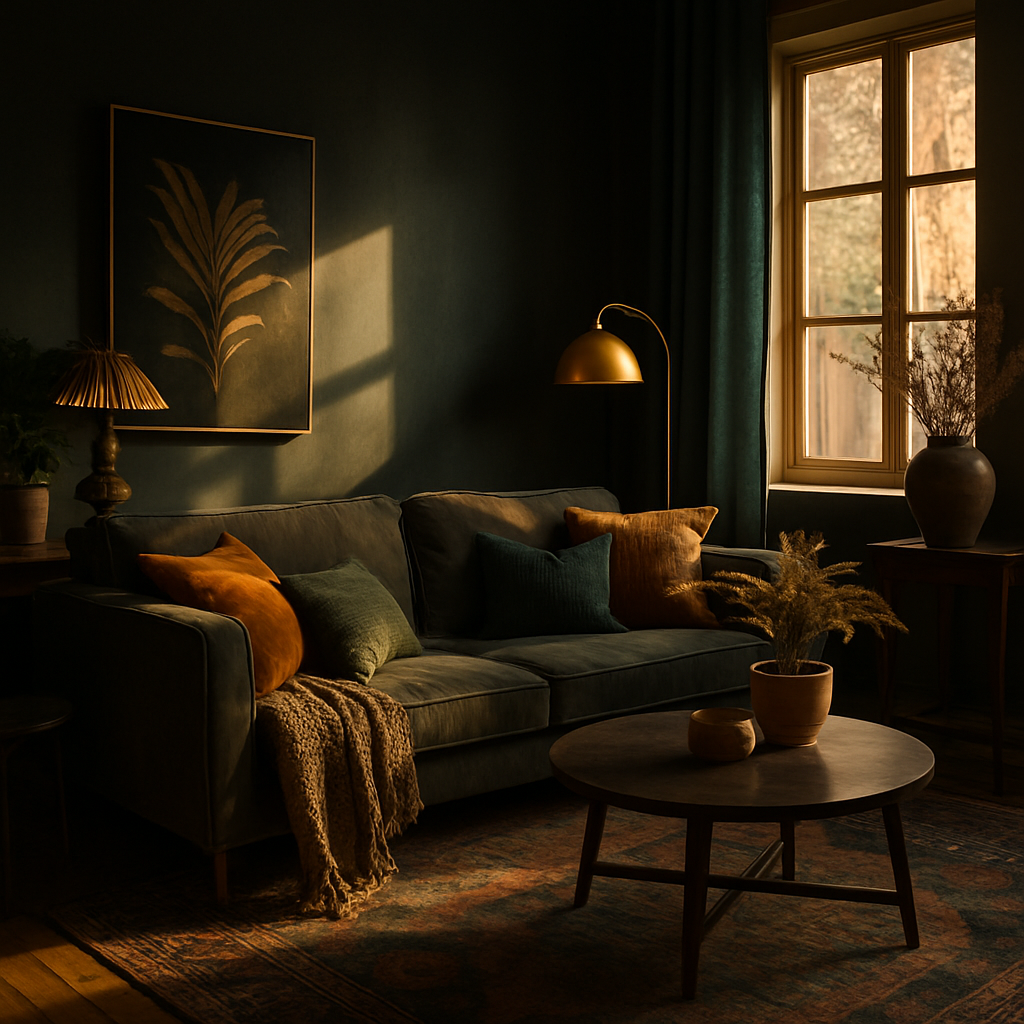
Imagine walking into a room that feels perfectly tailored to your taste-an oasis of calm that blends functionality with style. This vision is becoming increasingly attainable thanks to the innovative application of AI technologies like Chat GPT in the field of interior design. With its ability to generate creative ideas and provide real-time feedback, Chat GPT is reshaping the landscape of interior design, offering both professionals and enthusiasts new ways to enhance their spaces. This article delves into the foundational concepts of AI in design, explores data-backed insights, and provides actionable strategies for leveraging Chat GPT in your next project. We'll also discuss expert perspectives and the future potential of AI in interior design, equipping you with the knowledge to transform your space effectively.
The Role of AI in Interior Design
Artificial intelligence has been quietly revolutionizing various industries, and interior design is no exception. At its core, AI in interior design involves the use of algorithms and machine learning to generate design solutions that are both innovative and efficient. Chat GPT, a conversational AI model, has emerged as a powerful tool in this space. By understanding user input and context, it can generate design ideas, suggest modifications, and even predict trends based on historical data. This capability not only aids designers in their creative process but also helps clients articulate their vision more clearly.
One of the primary advantages of using Chat GPT in interior design is its ability to process vast amounts of data quickly. It can analyze design trends from platforms like Houzz and Pinterest, offering insights into what homeowners are currently gravitating towards. For instance, biophilic design-incorporating natural elements into interiors-has gained significant traction. Chat GPT can suggest ways to integrate these elements seamlessly into various spaces, ensuring that designs remain both trendy and timeless.
Moreover, AI tools are democratizing design by making expert-level insights accessible to a broader audience. Previously, accessing detailed design advice required consultations with certified interior designers or decorators. Now, with AI-driven platforms, even individuals with modest budgets can explore sophisticated design concepts. This shift is particularly beneficial for those looking to undertake smaller projects without the need for extensive professional intervention. As we explore further, the impact of AI on interior design becomes even more apparent.
Data-Driven Insights from AI
According to industry surveys, nearly 60% of designers are integrating some form of AI into their workflow, reflecting a growing reliance on technology to enhance creativity and efficiency. Chat GPT is at the forefront of this shift, providing data-driven insights that help designers make informed decisions. For example, by analyzing patterns in consumer preferences and feedback, Chat GPT can predict emerging trends, such as the rise of Japandi style-a fusion of Japanese minimalism and Scandinavian warmth.
The accuracy of AI-generated insights is bolstered by platforms like the American Society of Interior Designers (ASID) and Architectural Digest's AD PRO network, which provide a wealth of data on design trends and consumer behavior. Experienced professionals often note that leveraging such data allows them to stay ahead of market demands and tailor their services accordingly. This proactive approach not only enhances client satisfaction but also boosts the designer's reputation in a competitive market.
Furthermore, AI's capacity to simulate design outcomes using augmented reality (AR) and virtual reality (VR) tools is transforming client interactions. Clients can visualize proposed designs in their actual spaces before any physical changes are made, reducing the likelihood of costly revisions. The use of AR/VR in design presentations is becoming a standard practice, offering a tangible glimpse into the future of interior design. As we continue, we'll explore how these technologies can be applied in practical, actionable ways.
Actionable Strategies for Using Chat GPT
Leveraging Chat GPT in your design projects doesn't require a degree in computer science. You can start by using the AI to brainstorm design concepts tailored to your specific needs. Begin by inputting a simple description of your space and desired style. Chat GPT will generate a range of ideas, from color palettes to furniture arrangements, that you can refine further. This iterative process allows for a collaborative approach between AI and your personal taste.
Another practical application is utilizing Chat GPT for budget management. Designing a space involves juggling various costs, from materials to labor. Chat GPT can assist by providing cost estimates based on current market rates, helping you allocate resources more effectively. For instance, if you're interested in sustainable and reclaimed materials, the AI can suggest vendors and compare prices, ensuring you get the best value without compromising on quality.
Incorporating smart home technology is another area where Chat GPT excels. It can suggest automated solutions for lighting and climate control, enhancing both the functionality and comfort of your space. For example, it might recommend integrating smart window treatments that adjust automatically based on the time of day, optimizing natural light and energy efficiency. As we delve deeper, we'll examine expert perspectives on maximizing these AI-driven strategies.
Expert Perspectives on AI in Design
Experts in the design industry have mixed feelings about the rise of AI tools like Chat GPT. While some embrace the technology for its ability to enhance creativity and streamline processes, others worry about its potential to replace human intuition and artistry. However, the consensus among leading figures, such as those in the International Interior Design Association (IIDA), is that AI should be viewed as a complement to human expertise rather than a replacement.
Designers with NCIDQ (National Council for Interior Design Qualification) credentials often highlight the importance of maintaining a human touch in design projects. AI can generate ideas and provide data, but it cannot replicate the nuanced understanding that comes from years of experience. For instance, while Chat GPT can suggest a color scheme, a seasoned designer will consider how those colors interact with natural light and existing architectural features, ensuring a cohesive and harmonious result.
Additionally, the integration of AI in design is fostering new opportunities for collaboration between tech developers and interior designers. This synergy is leading to the creation of more sophisticated tools that cater to the unique challenges of interior design, such as AR/VR visualization and smart home integration. This evolving landscape promises exciting developments, which we'll explore further in the next section.
Emerging Trends and Future Potential
The future of interior design is undeniably intertwined with advancements in AI technology. As tools like Chat GPT continue to evolve, they are expected to offer even more personalized and dynamic design solutions. This evolution is likely to drive trends such as quiet luxury and understated elegance, where the focus is on creating spaces that feel effortlessly sophisticated and comfortable.
Moreover, the increasing emphasis on sustainability is expected to influence AI-driven design suggestions. As consumers become more aware of environmental impacts, AI can play a pivotal role in promoting sustainable practices by recommending eco-friendly materials and energy-efficient solutions. This shift aligns with broader industry goals of reducing carbon footprints and promoting green living.
However, the successful integration of AI in interior design requires ongoing education and adaptation. Designers must stay informed about technological advancements and be willing to experiment with new tools. Are you ready to embrace AI in your design endeavors? By staying curious and open to innovation, you can harness the full potential of AI to transform your space. Let's conclude by summarizing key takeaways and outlining actionable next steps.
Conclusion: Harnessing AI for Design Success
As we have explored, Chat GPT is playing a transformative role in the world of interior design. By offering innovative ideas, data-driven insights, and actionable strategies, it empowers both professionals and DIY enthusiasts to create spaces that are stylish, functional, and personalized. The blend of AI technology with human creativity is redefining design processes, making them more efficient and inclusive.
As you consider incorporating AI into your next design project, start by exploring platforms like Houzz and AD PRO to gather inspiration and see AI in action. Engage with tools that offer AR/VR visualization to better understand the potential of your space before making any physical changes. Are you ready to take the plunge? Start by browsing designer portfolios on these platforms this week-even dedicating just 20 minutes to research can significantly refine your design preferences. This proactive step will set the stage for a successful and innovative interior design journey.

Comments
Post a Comment