Transform Your Space: How AI Interior Design is Shaping Modern Homes
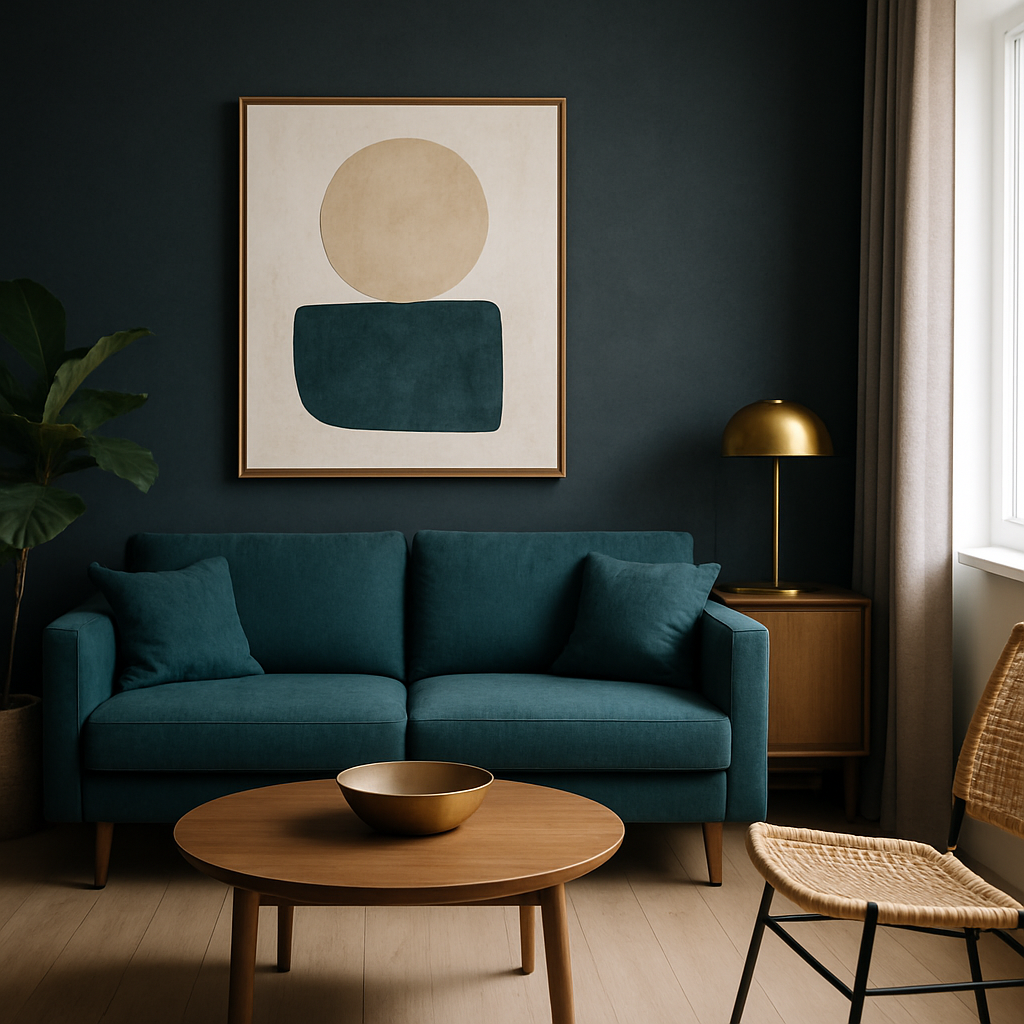
Imagine walking into your home after a long day, and your living room automatically adjusts its lighting to create the perfect relaxing ambiance. This isn't a scene from a sci-fi movie-it's the reality of AI-driven interior design. With the power of artificial intelligence, homeowners are revolutionizing their living spaces, transforming them into highly personalized, efficient, and stylish environments. In this article, we will explore the foundational concepts of AI in interior design, delve into the data driving its adoption, discuss actionable strategies for integrating AI into your projects, and provide expert-level insights into this rapidly evolving field.
Understanding AI in Interior Design
The incorporation of AI in interior design is reshaping the way homeowners and designers approach the creation of living spaces. At its core, AI utilizes algorithms to analyze data, learn preferences, and generate solutions that align with aesthetic and functional needs. This technology extends beyond simple decor recommendations; it involves comprehensive space planning, color palette optimization, and even furniture layout suggestions. For instance, platforms like Modsy and Planner 5D leverage AI to provide clients with virtual room previews, enabling them to visualize potential designs before making any commitments.
One of the fundamental benefits of AI in interior design is its ability to tailor spaces to individual lifestyles. By analyzing data from various sources, such as user inputs and existing design trends, AI can suggest modifications that enhance both usability and aesthetic appeal. This level of customization was once only available through extensive consultations with professional designers, but AI democratizes access to bespoke design advice. How do you envision using AI to transform your space?
Additionally, AI in interior design is contributing to sustainability. By optimizing material usage and suggesting energy-efficient layouts, AI tools help reduce waste and promote eco-friendly practices. This aligns with growing consumer demand for sustainable living solutions, as emphasized by the American Society of Interior Designers (ASID). As we move forward, the integration of AI promises to bring even more sophisticated, sustainable design options to the forefront.
This understanding of AI's foundational role sets the stage for a deeper exploration into how data and analytics are driving its adoption in interior design.
The Data Behind AI-Driven Interior Design
Data is the lifeblood of AI technology, and its role in interior design is no exception. According to Houzz's annual survey, over 60% of homeowners are willing to invest in smart technology to improve home functionality, indicating a robust market for AI-driven solutions. The data collected from these technologies provides invaluable insights into how people interact with their spaces, which in turn informs design decisions. This feedback loop enables AI to refine and personalize recommendations continually.
For example, AI platforms like Houzz and Pinterest leverage user interaction data to identify trending design elements, which they then incorporate into their AI algorithms. This process ensures that the suggestions provided to users are not only personalized but also in line with the latest design trends. Such data-driven insights empower homeowners to make informed decisions, leading to higher satisfaction with the final outcome. What design trends have caught your eye recently?
Furthermore, the National Council for Interior Design Qualification (NCIDQ) highlights that well-designed interiors can increase property resale value by up to 15%. AI's ability to predict market trends and adapt designs accordingly provides homeowners with a competitive edge in real estate markets. This potential for increased property value further incentivizes the adoption of AI-driven design solutions, making it a critical tool for modern homeowners and designers alike.
Understanding how data informs AI design decisions naturally leads to exploring practical strategies for incorporating this technology into your own projects.
Practical Strategies for Integrating AI into Interior Design
Integrating AI into your interior design projects requires a strategic approach that balances technology with personal taste. Start by identifying specific areas of your home that could benefit from AI enhancements. Consider rooms where functionality and aesthetics intersect, such as the kitchen or living room. AI tools can assist in optimizing these spaces for maximum efficiency and style.
One actionable strategy is to use AI-powered platforms for layout planning. Tools like RoomSketcher and SketchUp allow you to experiment with different furniture arrangements and design elements virtually. These platforms use AI to suggest optimal layouts based on room dimensions and user preferences. Experienced professionals often note that experimenting with digital layouts can save time and money by avoiding costly design mistakes.
Another effective strategy is leveraging AI for color scheme selection. Applications such as Color911 utilize AI to analyze room lighting and suggest palettes that complement both the space and the homeowner's preferences. By using AI to refine color choices, you can achieve a cohesive and harmonious look throughout your home. How might AI help you experiment with new colors in your space?
As you integrate AI into your design process, consider the expert-level details that can elevate your projects even further.
Expert Insights on AI-Driven Design
For those looking to take their AI-driven design projects to the next level, engaging with professional insights is invaluable. Certified interior designers, such as those holding NCIDQ credentials, bring a wealth of knowledge to the table, offering nuanced advice on integrating AI with traditional design principles. Collaborating with a professional who understands both AI technology and classical design can result in a truly unique space.
Industry experts emphasize the importance of setting clear goals for your AI-driven projects. Before diving into the design process, outline your priorities-whether they are aesthetics, functionality, or sustainability. This clarity will guide the AI tools in delivering solutions that align with your vision. The International Interior Design Association (IIDA) offers resources for homeowners seeking qualified professionals to aid in this process.
Additionally, staying informed about emerging trends is crucial for maximizing the potential of AI in design. The use of AR/VR room visualization tools is gaining traction, allowing designers and homeowners to experience their designs in a virtual setting before actual implementation. This technology not only enhances the design process but also ensures that the final result aligns with the homeowner's expectations.
With expert insights in hand, we can explore additional depth in how AI can revolutionize your home's design.
Exploring Additional Depth in AI Interior Design
As AI continues to evolve, it opens up new possibilities for the interior design industry. One area of significant advancement is the use of smart home integrations. By incorporating AI-driven lighting, climate control, and automated window treatments, you can create a responsive environment that adapts to your daily routine. This level of integration not only enhances comfort but also improves energy efficiency.
Another exciting development is the trend towards biophilic design, which emphasizes natural elements within the home. AI tools can assist in selecting sustainable materials and designing spaces that promote an indoor-outdoor flow. This approach aligns with the quiet luxury trend, where understated elegance and high-quality materials take center stage.
Finally, AI is instrumental in optimizing the procurement phase of interior design projects. Platforms like Design Manager streamline the process by recommending suppliers and tracking expenses, ensuring that projects stay within budget. This level of efficiency is particularly valuable for large-scale projects, where managing costs and timelines is crucial.
With these additional insights, we can now wrap up our exploration of AI's transformative impact on modern homes.
Final Perspectives on AI in Interior Design
AI is undeniably reshaping the interior design landscape, offering homeowners unprecedented control over their living environments. As we have explored, the integration of AI provides solutions that are not only personalized but also sustainable and efficient. This technology empowers individuals to create spaces that reflect their unique lifestyles while adhering to modern design trends.
Looking ahead, the continued development of AI tools promises even greater advancements in the field. As more homeowners and designers embrace these technologies, the potential for innovation in interior design will only grow. How might you leverage AI to enhance your own living spaces?
In conclusion, the journey of integrating AI into interior design is just beginning, but its impact is already profound. This evolution invites both creativity and functionality, promising a future where homes are as intelligent as they are beautiful.
Conclusion
Incorporating AI into your interior design projects can transform your home into a personalized, efficient, and stylish sanctuary. We've explored how AI is changing the landscape of interior design through foundational concepts, data-driven insights, practical strategies, expert advice, and emerging trends. As you consider your next design project, remember the potential of AI to elevate your space in ways you may not have imagined before. Start by exploring AI design tools like Modsy or RoomSketcher-just a few minutes of research can uncover new possibilities for your home.
Ready to begin your AI-driven design journey? Start by browsing portfolios on platforms like Houzz or Pinterest this week-even 20 minutes of research will sharpen your eye for what you want. Embrace the power of AI to create a space that truly reflects who you are.



Comments
Post a Comment