Transform Your Space: Find Your Perfect Interior Design Style with Our Quiz
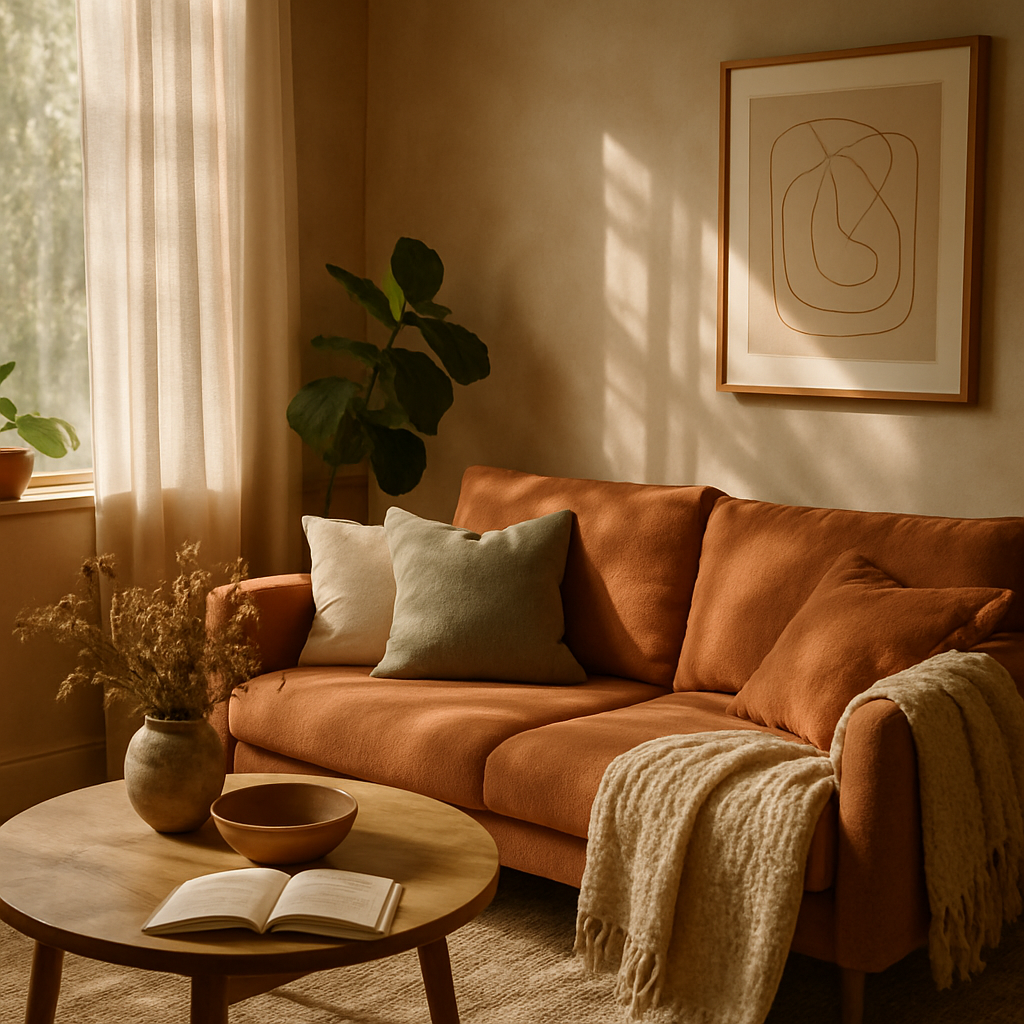
Have you ever walked into a room and felt instantly at ease, as if the space itself whispered, "Welcome home"? According to a study by Houzz, 75% of homeowners believe that a well-designed interior improves their quality of life. Yet, many struggle to pinpoint their unique style. If you're ready to transform your space but aren't sure where to start, our interior design style quiz is your first step. This article will guide you through the foundational concepts of design styles, provide an analysis backed by data, offer actionable strategies, delve into expert-level details, and wrap up with additional depth and final perspectives. Let's embark on this journey to find your perfect interior style.
Understanding the Basics of Interior Design Styles
At the heart of any transformation lies an understanding of the fundamental elements of interior design styles. The term "interior design style" refers to a set of aesthetic principles that guide the decoration and furnishing of a space. These styles encompass everything from color palettes and furniture forms to patterns and textures. Recognizing these elements can be a revelation, providing clarity on personal preferences that may have seemed elusive.
Common styles include the minimalist simplicity of Japandi, which merges Japanese minimalism with Scandinavian warmth, and the bold, eclectic nature of Bohemian design. Each style carries its own philosophy and cultural backstory, which can resonate differently with individuals. This resonance is crucial, as it often dictates comfort and satisfaction within a living space. Do you gravitate toward the clean lines and functionality of modern design, or do the rich textures and history of vintage appeal more to you?
Understanding these styles is not just about aesthetics; it's also about functionality. For instance, smart home integration is a growing trend in modern design, offering convenience through technology. In contrast, traditional design might focus more on craftsmanship and intricate details. By identifying what you prioritize in a space, you can start to align your environment with your lifestyle needs. This foundational understanding is the first step in your journey to find a style that truly reflects who you are.
Diving Deeper: Analyzing Design Preferences with Data
When it comes to choosing an interior design style, data can offer valuable insights into trends and preferences. According to the American Society of Interior Designers (ASID), 68% of homeowners opt for a blend of styles rather than adhering strictly to one. This inclination towards eclecticism suggests a desire for personalization and a reflection of multifaceted identities. Are you among those who feel drawn to multiple styles, perhaps seeking a balance between modern minimalism and rustic charm?
Annual surveys by Houzz reveal that spending on home renovations has steadily increased, with biophilic design-a style that incorporates natural elements-gaining popularity. In fact, incorporating natural materials and indoor plants can enhance not only the aesthetics but also the air quality and mood within a home. This data underscores the importance of considering not just aesthetic appeal but also the broader impact of design choices on daily life.
The choice of style can also be influenced by demographic factors. For example, younger generations tend to prioritize sustainability, favoring reclaimed materials and energy-efficient solutions. On the other hand, older homeowners might lean towards more traditional styles that evoke nostalgia. Understanding these trends can help you make informed decisions that align with both your personal preferences and broader societal shifts. As you consider these factors, remember that your home is a reflection of your personality and values.
Actionable Strategies for Identifying Your Style
Now that you have a foundational understanding and data-driven insights, it's time to explore actionable strategies to identify your interior design style. A practical starting point is to analyze your current surroundings. Walk through your home and note the elements you love and those you'd like to change. Pay attention to the colors, textures, and layouts that naturally attract you. This exercise can highlight patterns in your preferences.
Another effective strategy is to create a mood board. Platforms like Pinterest and Instagram can serve as valuable tools for gathering inspiration. Collect images that resonate with you, regardless of whether they belong to the same style. Experienced professionals often note that a mood board can reveal subconscious preferences and guide design decisions. As you compile images, ask yourself: What themes or elements appear repeatedly?
Finally, consider taking our interior design style quiz, designed to offer personalized insights into your aesthetic inclinations. The quiz evaluates your responses to specific scenarios and preferences, providing a clearer picture of your ideal style. This tool can serve as a catalyst for your design journey, offering clarity and direction. With these strategies, you'll be well-equipped to embark on the transformation of your space.
Expert-Level Insights into Design Styles
To truly master the art of interior design, it helps to delve into expert-level insights that distinguish between styles. Certified interior designers, such as those with NCIDQ (National Council for Interior Design Qualification) credentials, emphasize the importance of harmony and balance within a space. They recommend considering how different elements work together to create a cohesive environment.
One advanced concept is the use of contrast to create visual interest. For example, pairing sleek, modern furniture with a rustic, reclaimed wood table can highlight the uniqueness of both elements. This technique, often employed by professionals in the Architectural Digest's AD PRO network, underscores the dynamic interplay between different styles. Are you ready to experiment with such contrasts in your own space?
Another expert insight involves the strategic use of lighting to enhance design elements. By incorporating layered lighting-ambient, task, and accent-you can dramatically alter the feel of a room. This approach not only showcases the aesthetic features but also enhances functionality. Understanding these nuanced techniques can elevate your design process, helping you achieve a space that is both beautiful and practical.
Diving Deeper into Budget and Planning
A critical aspect of transforming your space is understanding the budgetary implications of your design choices. According to Houzz, a single room redesign can cost between $5,000 and $15,000, while a full-home project can exceed $150,000. This range highlights the importance of strategic planning and prioritization. Have you considered which aspects of your project require the most investment?
Fee structures also vary, with designers typically charging a flat fee, hourly rate, or percentage of the total project cost. For instance, hourly rates can range from $150 to $500. Understanding these options can help you select a designer who aligns with your financial plan. Additionally, procurement markups on furniture and materials can impact your overall budget, so transparency with your designer is key.
Planning also involves considering resale value. Well-designed interiors can increase a home's resale value by 5-15%, a statistic often cited by real estate professionals. This potential return on investment underscores the value of thoughtful design choices. By considering both immediate enjoyment and long-term financial benefits, you can make informed decisions that reflect your priorities.
Final Perspectives on Finding Your Style
As you wrap up your exploration of interior design styles, it's important to remember that the process is as much about the journey as the destination. Embracing flexibility and experimentation can lead to unexpected discoveries that enrich your space. Have you allowed yourself the freedom to explore different styles without committing too early?
The design process is inherently personal, reflecting your evolving tastes and lifestyle. By staying open to new ideas and incorporating elements that truly resonate with you, your home will become a living testament to your personal growth. This approach not only fosters a deeper connection to your space but also enhances your overall well-being.
In the end, finding your perfect interior design style is about aligning your environment with who you are and who you aspire to be. With the insights and strategies provided, you're well-equipped to embark on this transformative journey. Remember, your home is not just a place to live-it's a canvas for self-expression.
Conclusion: Your Next Steps
You've explored foundational concepts, analyzed preferences with data, and gained expert insights-all crucial steps in discovering your perfect interior design style. Now, it's time to put these insights into action. Start by taking our interior design style quiz to pinpoint your preferences with precision. Then, spend some time browsing portfolios on platforms like Houzz and Pinterest, where you'll find endless inspiration.
As you gather ideas and refine your vision, consider consulting a certified interior designer from ASID or IIDA. Their expertise can help you navigate the complexities of design and bring your vision to life. Remember, even 20 minutes of focused research each week can significantly sharpen your eye for detail and design.
Your journey to transforming your space is just beginning. Embrace the process, enjoy the exploration, and take your first step today. Start by browsing portfolios on Houzz this week-even 20 minutes of research will sharpen your eye for what you want.



Comments
Post a Comment