Transform Your Space: Essential Skills Learned in Interior Design Classes
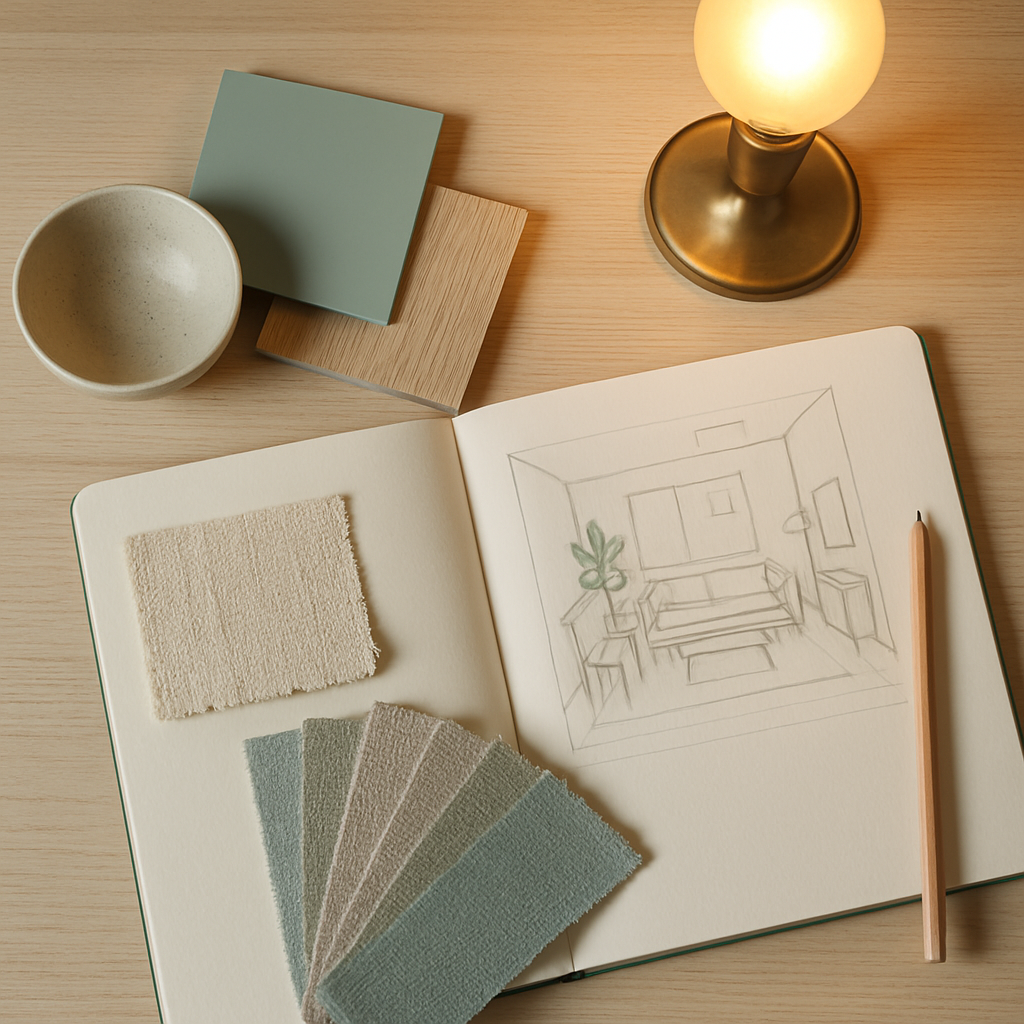
Ever wondered how some homes exude effortless style while others seem cluttered and chaotic? According to a Houzz survey, 85% of homeowners believe that a well-designed space improves their overall happiness. This highlights the transformative power of interior design. But where do you begin to acquire the skills that can turn your space from mundane to magnificent? The answer lies in interior design classes, where you learn not only the art of arranging furniture but also the science of creating harmonious environments. In this article, we'll explore the foundational concepts taught in these classes, delve into more complex design theories, offer actionable strategies, and provide expert-level details to truly elevate your space. We'll also touch on cutting-edge trends and conclude with final perspectives to inspire your journey.
Foundational Concepts in Interior Design
One of the first skills you'll acquire in interior design classes is understanding the principles of design. These include balance, contrast, rhythm, and harmony. Balance involves the visual weight of objects in a space, ensuring that no area feels too heavy or too light. This can be symmetrical, asymmetrical, or radial, offering different effects depending on your desired aesthetic. For instance, symmetrical balance often conveys formality and order, which might be suitable for a living room where you entertain guests.
Contrast, on the other hand, is about creating a focal point by juxtaposing different elements such as color, texture, or shape. A classic example is pairing a sleek, modern couch with a rustic wooden coffee table. This not only draws the eye but adds interest and depth to a room. Rhythm in design refers to the repetition of visual elements, such as patterns or colors, to create movement and lead the viewer's eye around the room. This could be a series of black-and-white photos hung at regular intervals along a corridor.
Finally, harmony is achieved when all elements in a space work together to create a unified look. This doesn't mean everything has to match, but rather that the pieces complement each other. For example, a room with a cohesive color palette and varied textures can achieve harmony, creating a pleasing environment. Understanding these foundational concepts sets the stage for more advanced design skills, and these principles are the backbone of any successful interior design project.
Deeper Analysis with Data
Interior design is not just an art-it's a science backed by data and research. For example, studies reveal that incorporating natural elements into a home can reduce stress and boost productivity, a principle known as biophilic design. According to the International Interior Design Association (IIDA), biophilic design is expected to be one of the leading trends in 2026, with more homeowners seeking to integrate nature into their living spaces. This could be achieved through the use of natural materials like wood and stone, or by adding greenery such as a living wall.
Moreover, data from the American Society of Interior Designers (ASID) suggests that homes with well-thought-out interiors can achieve a 5-15% higher resale value. This statistic underscores the financial benefits of good design, making the skills learned in interior design classes not just about aesthetics but also about investment. Well-designed spaces are more appealing to buyers, who are willing to pay a premium for homes that reflect quality and attention to detail.
Another significant aspect covered in these classes is understanding the spatial dynamics of a room. This involves analyzing how people use a space and ensuring the design accommodates these activities. For instance, an open-plan kitchen and dining area may require careful planning to allow for cooking, dining, and socializing without feeling cramped. By using data-driven insights, designers can create layouts that are both functional and inviting, enhancing the overall living experience.
Actionable Strategies for Transforming Your Space
Once you grasp the foundational and analytical aspects of design, it's time to apply these principles to your own space. Start by mapping out how you actually use each room. Where do you drop your keys? Where does your family gather most frequently? Understanding these patterns helps in designing a layout that supports your lifestyle. For instance, if your kitchen is the heart of your home, consider an open-concept design that facilitates interaction.
Next, consider lighting as a critical design element. Experienced professionals often note that lighting can make or break a space. Use a mix of ambient, task, and accent lighting to create a layered effect. For example, pendant lights over a dining table provide task lighting, while floor lamps in a living room offer ambient light. Accent lighting can highlight artwork or architectural features, adding depth and interest.
Finally, don't underestimate the power of color. Color can influence mood and perception of space, so choose your palette carefully. If you're aiming for a calm and serene environment, opt for soft blues and greens. For a more energetic vibe, consider bold reds or oranges. Remember to test paint colors at different times of the day to see how they change with natural light. By applying these actionable strategies, you can transform your living space into one that truly reflects your style and needs.
Expert-Level Details: Advanced Design Techniques
For those looking to push their design skills further, interior design classes offer advanced techniques that can elevate your practice. One such technique is the use of scale and proportion, which ensures that furniture and decor fit well within a space. This involves not just measuring dimensions but also considering the visual weight of items. A large sofa in a small room can feel overwhelming, while a tiny coffee table might seem lost in a spacious area.
Another advanced topic is the integration of smart home technology. With the rise of devices that control lighting, climate, and even window treatments, designers now incorporate these elements into their plans from the outset. This not only enhances convenience but can also improve energy efficiency, a key consideration in sustainable design. According to the NCIDQ (National Council for Interior Design Qualification), understanding these technologies is becoming essential for modern interior designers.
Finally, many interior design programs teach students how to use AR/VR tools for room visualization. These tools allow designers and clients to see a virtual representation of the finished space before any changes are made. This can prevent costly mistakes and ensure that the final result meets expectations. By mastering these advanced techniques, you can offer clients innovative and comprehensive design solutions.
Additional Depth: Sustainable and Trend-Driven Design
In recent years, sustainability has become a crucial consideration in interior design. Many interior design classes emphasize the importance of using eco-friendly materials and practices. This includes selecting furniture made from reclaimed wood, using low-VOC paints, and sourcing sustainable textiles. Not only do these choices reduce environmental impact, but they also appeal to the growing number of environmentally conscious consumers.
Design trends such as Japandi, which blends Japanese minimalism with Scandinavian warmth, are also gaining popularity. This style is characterized by clean lines, neutral colors, and a focus on functionality. It offers a timeless appeal that can adapt to different spaces and lifestyles. By staying informed about these trends, designers can create interiors that are both stylish and relevant.
Moreover, classes often highlight the importance of continuous learning and adaptation. The design world is always evolving, with new materials, technologies, and aesthetics emerging regularly. By keeping up with these changes, you can ensure that your design practice remains fresh and innovative. Transitioning from trend-driven design, we now look to how these skills culminate in a well-rounded perspective on transforming spaces.
Final Perspectives on Transforming Spaces
Interior design classes equip you with a comprehensive toolkit to transform spaces effectively. From understanding fundamental principles to applying advanced techniques and embracing sustainability, the knowledge gained is both practical and profound. These classes encourage you to think creatively and critically about each element of a space, fostering a holistic approach to design.
One of the most rewarding aspects of interior design is seeing your vision come to life. By applying the skills learned, you can create spaces that not only meet functional needs but also inspire and uplift those who inhabit them. Whether you're redesigning a single room or an entire home, the principles of good design remain the same: balance, harmony, and attention to detail.
As you embark on your design journey, remember that each space is an opportunity for expression and innovation. Take the time to experiment and explore different styles, techniques, and materials. The skills acquired in interior design classes are just the beginning of what can be a lifelong passion for creating beautiful and functional environments.
Conclusion
In summary, the skills learned in interior design classes offer invaluable insights into transforming your space. From foundational concepts to advanced techniques, these classes provide the tools necessary to create environments that are both aesthetically pleasing and functional. As you explore the world of interior design, consider starting by browsing portfolios on platforms like Houzz or consulting the ASID directory to find inspiration and connect with professionals. Even 20 minutes of research can sharpen your eye for what you want. Begin your journey today, and watch your home evolve into a space that truly reflects your style and personality.



Comments
Post a Comment