Transform Your Space: Embracing Mediterranean Interior Design Trends in 2023
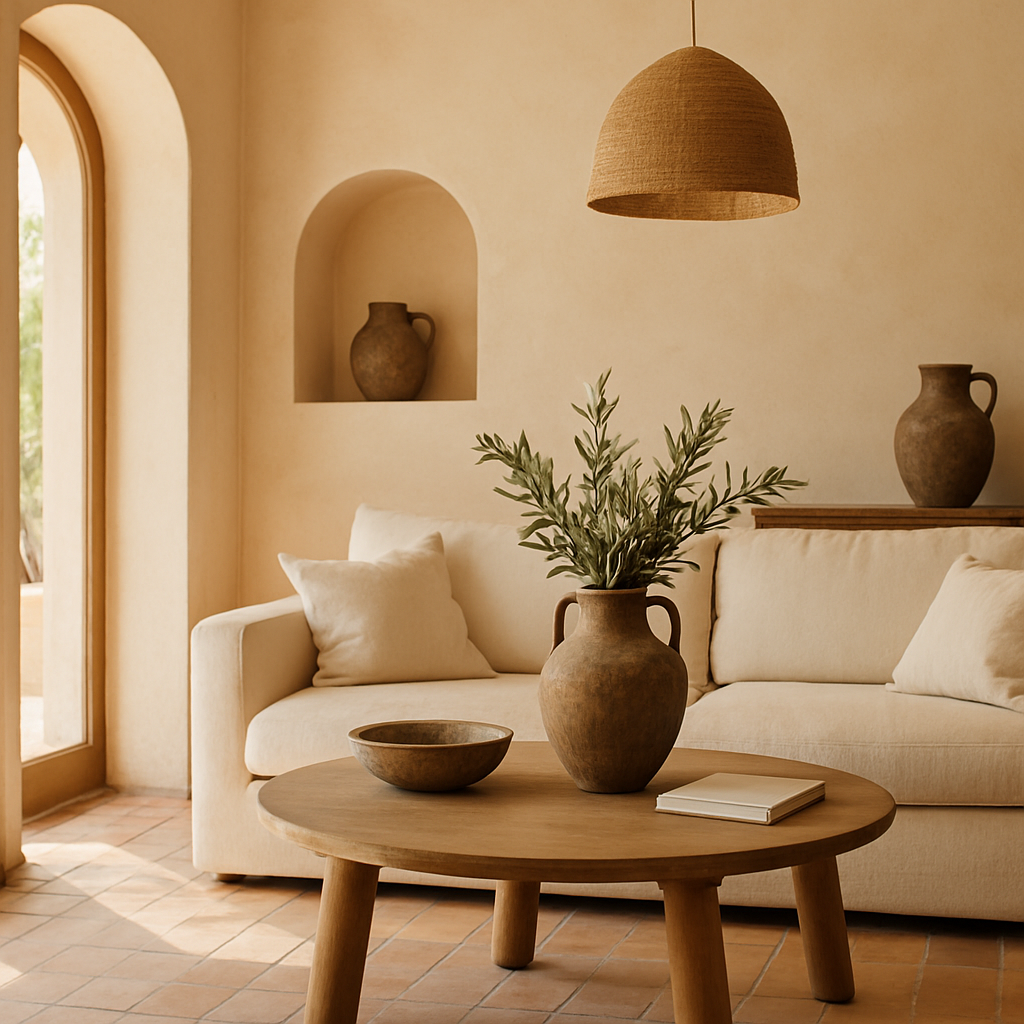
Are you ready to infuse your home with the warmth and elegance of the Mediterranean? With its rich textures, vibrant colors, and emphasis on natural materials, Mediterranean interior design is making a strong comeback in 2023. According to a recent Houzz survey, homeowners are increasingly drawn to styles that embody a sense of tranquility and connection to nature. This trend is not only about aesthetics but also about creating spaces that promote well-being and relaxation. In this article, we'll explore the foundational elements of Mediterranean design, delve into specific trends for 2023, and provide actionable strategies to help you transform your space. Whether you're redesigning a single room or planning a full-home overhaul, these insights will guide you in bringing a touch of the Mediterranean to your home.
Understanding Mediterranean Design: Foundational Concepts
At its core, Mediterranean interior design is inspired by the coastal regions of Southern Europe, encompassing countries such as Spain, Greece, and Italy. This style is characterized by its use of natural materials, such as stone, wood, and wrought iron, which bring a rustic yet refined aesthetic to any space. The color palette typically includes warm earth tones, ocean blues, and sun-kissed yellows, evoking the serene landscapes of the Mediterranean coast. These elements work together to create an environment that feels both relaxed and sophisticated, making it a popular choice for those seeking a timeless design.
One of the key features of Mediterranean design is the emphasis on indoor-outdoor living. This approach blurs the lines between interior and exterior spaces, often incorporating large windows, open patios, and lush greenery to invite the outdoors in. Biophilic design, which emphasizes natural materials and connections to nature, aligns seamlessly with this concept. According to the American Institute of Architects (AIA), incorporating natural elements into your interior can significantly enhance the ambiance and comfort of your home.
Another hallmark of Mediterranean design is the use of artisanal craftsmanship. Handcrafted furniture, intricate tile work, and bespoke lighting fixtures are all common elements that add character and uniqueness to a space. By prioritizing quality and craftsmanship, homeowners can create interiors that are not only beautiful but also enduring. As we transition to the next section, consider how these foundational elements can be tailored to fit your personal aesthetic and the unique characteristics of your home.
Mediterranean Design Trends for 2023
As we delve deeper into 2023, several emerging trends are shaping Mediterranean interior design. One prominent trend is the resurgence of quiet luxury-a movement towards understated elegance that prioritizes subtlety over opulence. This can be seen in the use of muted color palettes, minimalistic furniture, and understated decor that together create a sense of calm and sophistication. According to a recent report from Architectural Digest's AD PRO, designers are increasingly focusing on creating serene spaces that offer a refuge from the chaos of everyday life.
Another exciting trend is the integration of smart home technology into Mediterranean design. Homeowners are now looking to seamlessly blend technology with traditional design elements. This includes the use of smart lighting systems, automated climate controls, and advanced security features that enhance the functionality of the space while maintaining its aesthetic integrity. The International Interior Design Association (IIDA) suggests that smart home integrations can enhance the user experience without compromising on style.
Sustainable design practices are also becoming more prevalent, with a focus on using reclaimed and eco-friendly materials. From recycled wood beams to sustainably sourced textiles, these choices not only reduce environmental impact but also add depth and character to a space. Industry surveys indicate that 70% of consumers are willing to pay more for sustainable products, highlighting a growing demand for eco-conscious design. As we move forward, let's explore how you can incorporate these trends into your own home with practical tips and strategies.
Actionable Strategies for Incorporating Mediterranean Design
Ready to transform your space with Mediterranean flair? Start by assessing the existing elements in your home that can be enhanced or replaced. For instance, consider swapping out modern fixtures for hand-forged iron chandeliers or replacing synthetic flooring with natural stone tiles. These changes can instantly evoke the rustic charm associated with Mediterranean design. When selecting materials, prioritize quality and authenticity to ensure that your updates remain timeless.
Color plays a crucial role in setting the tone for your Mediterranean-inspired space. Opt for a palette that includes warm terra cotta, deep ocean blue, and sunlit yellow hues. These colors can be integrated through wall paints, textiles, and decorative accents. Painting an accent wall or incorporating a vibrant mosaic backsplash can add texture and visual interest without overwhelming the space. Experienced professionals often note that color can transform the mood of a room, making it feel warmer and more inviting.
Furniture selection is another vital component. Look for pieces that are both functional and stylish, such as a robust wooden dining table or a plush, earth-toned sofa. Incorporating vintage or artisanal furniture can add character and authenticity. Remember, the goal is to create a cohesive look that feels both lived-in and curated. As we transition to expert-level insights, consider how these strategies can be customized to suit your specific needs and preferences.
Expert Insights: Designing with Mediterranean Elegance
Experienced designers often emphasize the importance of layering textures to achieve a truly Mediterranean aesthetic. This can be done by combining different materials such as stone, wood, and textiles. For example, you might pair a rustic wooden coffee table with a plush wool rug and linen throw pillows. The contrast between these textures adds depth and interest, creating a space that feels both cozy and sophisticated. The American Society of Interior Designers (ASID) highlights that texture is crucial in adding dimension and warmth to a room.
Another expert tip is to incorporate elements of nature into your design. This could include indoor plants, botanical prints, or water features such as a small fountain. These elements not only enhance the visual appeal of your space but also contribute to a sense of tranquility and well-being. According to industry studies, biophilic design can boost mood and productivity, making it a worthwhile consideration for any home redesign.
Lighting is also essential in Mediterranean design. Utilize a mix of natural and artificial lighting to create a warm, inviting atmosphere. Large windows, skylights, and glass doors can help flood your space with natural light, while strategically placed lamps and sconces can enhance the ambiance during the evening. As we move to explore additional layers of detail, think about how lighting can be adapted to highlight the unique features of your home.
Exploring Additional Layers of Mediterranean Design
To further enhance your Mediterranean-inspired space, consider incorporating art and decor that reflect the cultural richness of the region. Hand-painted ceramics, woven tapestries, and antique mirrors can all serve as focal points that capture the essence of Mediterranean design. These pieces not only add visual interest but also tell a story, connecting your interior to the broader cultural and historical context of the Mediterranean.
When it comes to accessorizing, less is often more. Opt for a few statement pieces rather than cluttering your space with numerous small items. This approach aligns with the principles of minimalism and quiet luxury, creating a streamlined and elegant environment. The National Council for Interior Design Qualification (NCIDQ) advises that thoughtful curation of decor can enhance the overall aesthetic without overwhelming it.
Finally, don't overlook the importance of personal touches. Incorporate items that reflect your personal style and experiences, whether it's a collection of travel souvenirs or family heirlooms. These elements add a layer of personalization that makes a space truly feel like home. As we conclude our exploration of Mediterranean design, consider how these additional layers can be woven into your overall design plan for a cohesive and personalized result.
Final Perspectives on Mediterranean Design
As you embark on your journey to embrace Mediterranean interior design trends, remember that the goal is to create a space that feels both inviting and reflective of your personal style. By incorporating the foundational elements, staying attuned to emerging trends, and applying expert insights, you can transform your home into a warm and elegant haven. Each decision, from material selection to decor curation, contributes to the overall ambiance and functionality of your space.
Consider starting with small changes and gradually building upon them as your vision evolves. This approach allows you to experiment with different elements and refine your design over time. Whether you choose to revamp a single room or undertake a comprehensive redesign, the principles of Mediterranean design offer timeless appeal that can be adapted to suit any home.
As we conclude, think about how you can leverage these insights to bring a touch of the Mediterranean to your own space. In the next section, we'll summarize the key takeaways and offer a concrete call to action to help you get started on your design journey.
Conclusion: Embrace Mediterranean Elegance
In summary, embracing Mediterranean interior design trends in 2023 involves a thoughtful blend of natural materials, timeless color palettes, and a focus on indoor-outdoor living. By integrating elements of quiet luxury, smart home technology, and sustainable practices, you can create a space that is both functional and beautiful. Consider how these trends can be tailored to your personal style and the unique characteristics of your home.
Are you ready to start your Mediterranean-inspired transformation? Begin by exploring designer portfolios on Houzz or Pinterest to gather ideas and inspiration. Even setting aside 20 minutes to research can sharpen your eye for what resonates with you. From there, take the first steps in revitalizing your space with the warmth and elegance of the Mediterranean. Your journey to a beautifully curated home begins now.



Comments
Post a Comment