Transform Your Space: Embracing New Interior Design Trends for 2023
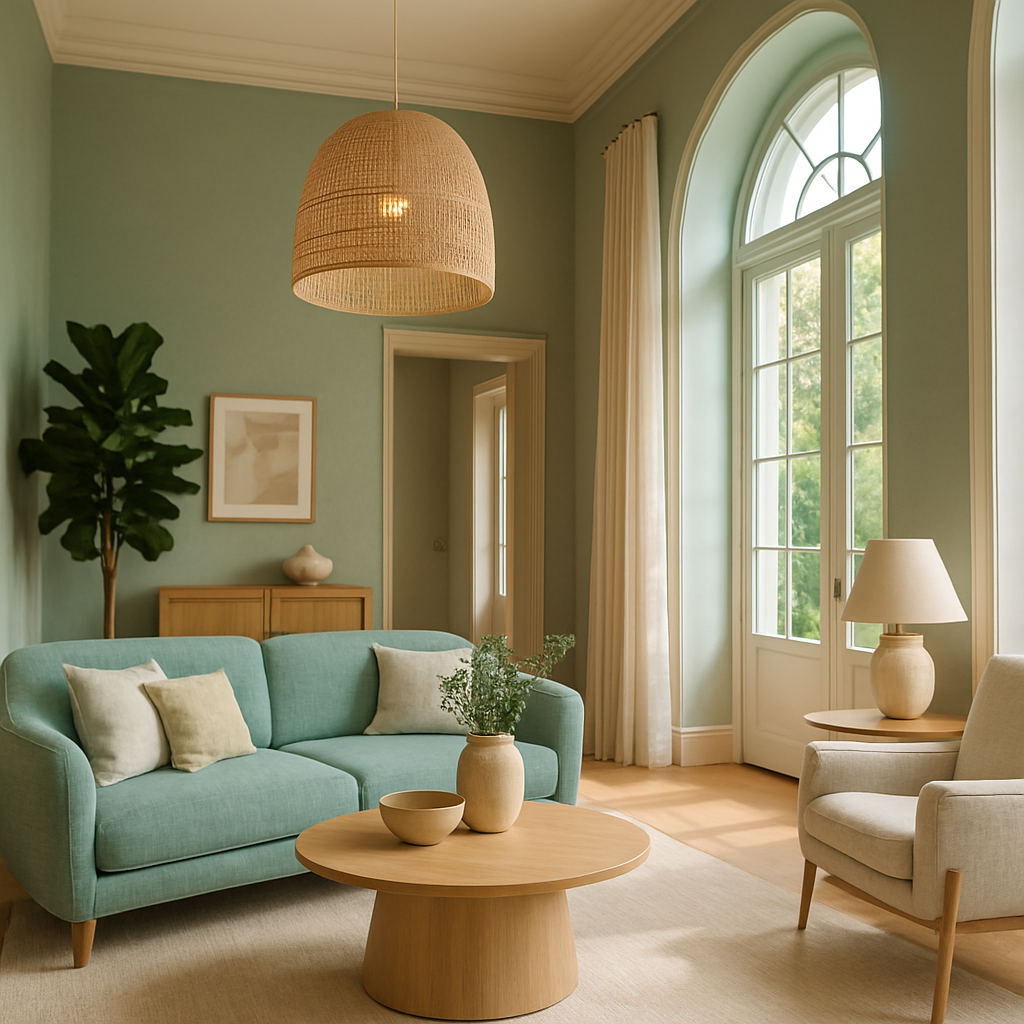
Did you know that homes with well-designed interiors can see a resale value increase of 5-15%? This statistic from the National Association of Realtors underscores the importance of keeping your living space both aesthetically pleasing and functional. As we look to 2023, a fascinating array of interior design trends are emerging, each offering unique opportunities to personalize and enhance your space. From the soothing elements of biophilic design to the sleek sophistication of quiet luxury, these trends invite you to rethink how your home can reflect your lifestyle and values. In this article, we'll explore these trends in depth, offering insights into foundational concepts, practical strategies, and expert-level advice to help you transform your space effectively.
Foundational Concepts in 2023 Interior Design
The foundation of 2023's interior design trends lies in a deep connection with nature and technology. Biophilic design, which incorporates natural materials and elements, is gaining traction as it fosters a calming environment. This approach isn't just about adding a few plants; it's about creating an indoor ecosystem that promotes well-being. For instance, living walls-vertical gardens that bring greenery indoors-are becoming a staple in contemporary design. Experienced professionals often note that incorporating such elements can enhance air quality and reduce stress levels, making homes more inviting.
In contrast, quiet luxury emphasizes understated elegance and minimalism. This trend focuses on high-quality, often locally sourced materials and a restrained color palette, offering a serene and sophisticated atmosphere. According to Houzz surveys, homeowners are increasingly investing in bespoke furniture and artisanal decor, signaling a shift towards personalization and durability. This move towards quality over quantity is not only eco-friendly but also aligns with the sustainable living ethos of reducing consumption and waste.
Smart home integration is another foundational concept revolutionizing interior design. Whether it's automated lighting, climate control, or advanced security systems, technology is seamlessly blending into the background of our homes. As noted by the American Society of Interior Designers (ASID), the integration of these smart solutions is not merely about convenience but enhancing the overall living experience. Imagine walking into a room that automatically adjusts the lighting to your mood or the time of day, enhancing both comfort and energy efficiency.
Analyzing the Data: What's Driving These Trends?
Understanding what drives these trends requires delving into the data. According to Houzz's annual survey, over 70% of homeowners are planning to renovate in the next two years, with sustainability and technology as top priorities. This statistic highlights a growing awareness of environmental impact and a desire for homes that not only look good but also function efficiently. The integration of sustainable materials, such as reclaimed wood and recycled metal, is on the rise, reducing the carbon footprint of home renovations.
Moreover, industry data suggests that the demand for smart home technology will continue to grow exponentially. The global smart home market is expected to reach over $150 billion by 2025, driven by advances in artificial intelligence and the Internet of Things (IoT). This technological shift is not just about gadgets; it's about creating a cohesive living experience where every element of the home can communicate and adapt to the needs of its inhabitants.
Finally, the push towards quiet luxury and biophilic design reflects broader societal changes. As remote work becomes more prevalent, people are seeking environments that support both productivity and relaxation. The trend towards creating multifunctional spaces-like home offices that double as serene retreats-illustrates this dual need. Real estate data shows that homes with dedicated office spaces are now selling faster, indicating a premium on flexibility and comfort in home design.
Actionable Strategies for Incorporating 2023 Trends
Now that we've explored the concepts and data behind these trends, let's discuss how you can incorporate them into your own home. Start by evaluating your current space: where do you spend the most time, and what functionalities do you need? This assessment will guide your design choices, ensuring that they enhance your daily life. For biophilic elements, consider adding natural textures like stone and wood, or introducing indoor plants that thrive in your home's climate.
For those interested in quiet luxury, focus on quality over quantity. Invest in a few key pieces that stand out, such as a custom-made dining table or a luxurious area rug. These items not only elevate your space aesthetically but also serve as conversation starters. Remember, the goal is to create a space that feels personal and unique, rather than cluttered with trendy but transient decor.
To embrace smart home technology, begin with small, manageable changes. Install programmable lighting or smart thermostats, which can be easily controlled via smartphone apps. These initial steps can significantly enhance your home's efficiency and set the stage for more advanced integrations. As you become more comfortable with technology, you might explore more complex systems, like voice-activated controls or automated window treatments, to further elevate your living environment.
Expert-Level Insights: Designing for the Future
As you design your space, consider how these trends will evolve over time. Experienced professionals often advise thinking long-term to ensure your design choices remain relevant. For instance, while biophilic design is currently popular, its principles of connecting with nature and promoting well-being are timeless. Incorporating elements like natural light and ventilation will always benefit your home, regardless of changing styles.
Similarly, the principles of quiet luxury-focusing on craftsmanship and sustainable materials-are unlikely to go out of fashion. By choosing high-quality furnishings and decor, you're investing in pieces that will stand the test of time. Look for items crafted by local artisans or made from sustainable resources, which not only supports ethical production but also adds a unique story to your home.
Smart home technology is an area where staying updated is crucial. The rapid pace of technological advancement means that what is cutting-edge today might be outdated tomorrow. To future-proof your home, consider systems that offer regular updates and are compatible with evolving technologies. Networking with professionals in the ASID or IIDA can provide valuable insights into the latest innovations and how they can be practically applied to your space.
Additional Depth: Budgeting for Your Design Transformation
Budgeting is a critical aspect of any design project. On average, a single room redesign can range from $5,000 to $15,000, while a full-home renovation can exceed $50,000. To ensure your project remains financially feasible, start with a clear budget and prioritize your spending. Identify the areas that will have the most impact on your daily life and allocate more resources there.
Consider working with a certified interior designer, such as those holding NCIDQ (National Council for Interior Design Qualification) credentials, who can help you navigate complex design choices and stay within budget. These professionals can also assist with procurement, often passing on trade discounts to clients and ensuring quality products are selected. Remember, investing in professional expertise can save money and time in the long run.
Be mindful of procurement markups and additional fees, which can vary widely. Designers may charge a flat fee, hourly rate, or a percentage of the total project cost. Understanding these fee structures upfront will prevent unexpected expenses. Always ask potential designers about their fee structures and what services are included to make informed decisions.
Final Perspectives: Embracing Change
Embracing new interior design trends requires an open mind and a willingness to adapt. As you transform your space, remember that the goal is to create an environment that supports your lifestyle and enhances your well-being. The trends of 2023 offer exciting possibilities for personalization and innovation, whether through natural elements, understated elegance, or cutting-edge technology.
Reflect on your personal values and how they can be expressed through your home. Whether it's sustainability, luxury, or technological advancement, your space should be a reflection of who you are and what you prioritize. By aligning your design choices with these principles, you'll create a space that is not only stylish but also meaningful.
Ready to take the next step in transforming your space? Begin by exploring designer portfolios on Houzz or Pinterest. Even a short browsing session can inspire new ideas and help refine your vision. Dive into the world of interior design with confidence, armed with the knowledge and insights needed to make impactful changes.
Conclusion
In conclusion, the interior design trends of 2023 present a wealth of opportunities to transform your space creatively and thoughtfully. By incorporating elements of biophilic design, quiet luxury, and smart home technology, you can create an environment that reflects your personal style and enhances your quality of life. Remember, the key to successful design is not just following trends but adapting them to suit your individual needs and preferences.
As you embark on your design journey, consider consulting with certified professionals who can guide you through the process and ensure your project stays on track. Start by browsing portfolios on Houzz this week-just 20 minutes of research can sharpen your eye for what you want. With the right approach, you can transform your home into a space that is not only visually stunning but also perfectly aligned with your lifestyle.


Comments
Post a Comment