Transform Your Space: Creative Ideas for Modern Living Room Interior Design
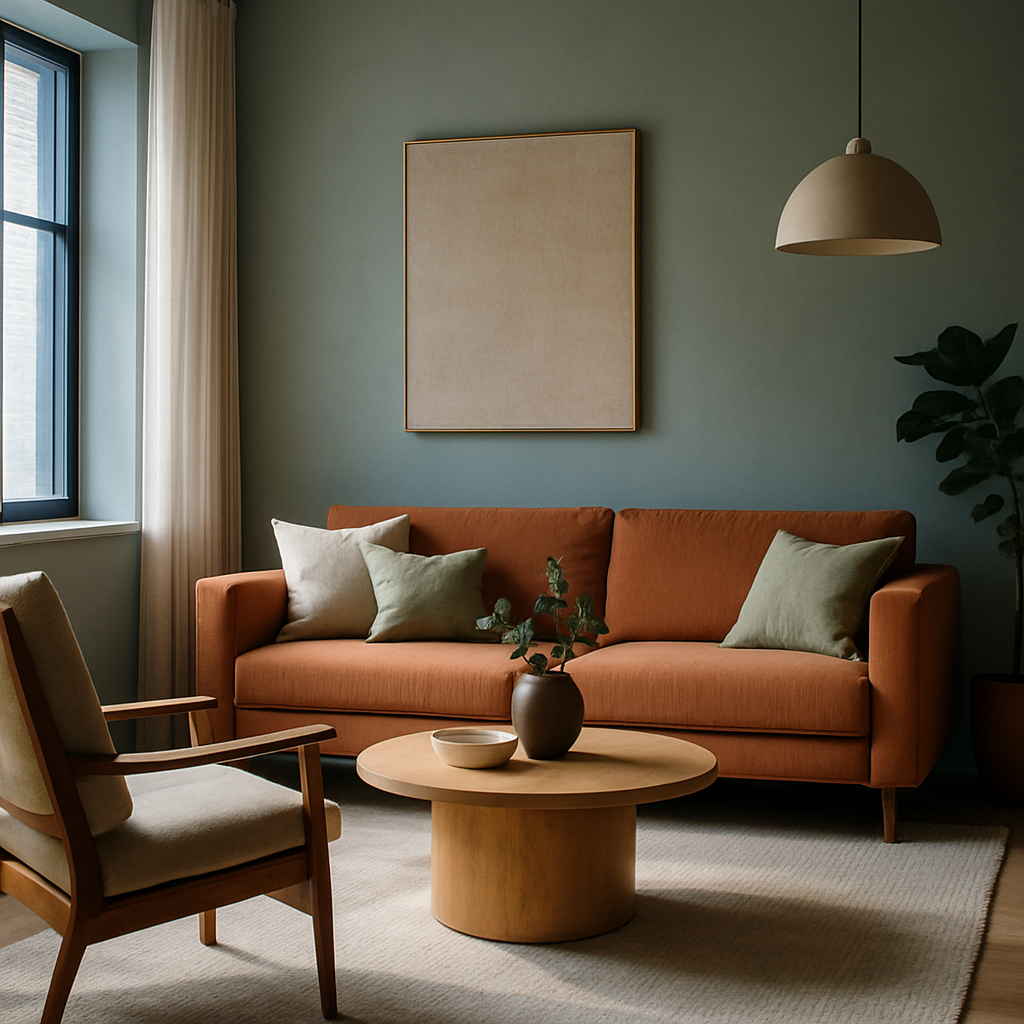
Imagine walking into a living room that seamlessly blends style, comfort, and functionality. According to a Houzz survey, 85% of homeowners believe that a well-designed living room significantly enhances their overall quality of life. This statistic underscores the importance of thoughtful interior design in our daily environments. In this guide, we'll explore creative ideas for modern living room interior design, providing a roadmap from foundational concepts to expert-level strategies. Whether you're aiming for a complete transformation or subtle enhancements, these insights will help you create a space that reflects your personality and meets your practical needs.
Understanding the Foundations of Modern Living Room Design
Before diving into the aesthetics, it's crucial to understand the foundational elements of modern living room design. Modern design emphasizes clean lines, simplicity, and a lack of clutter, often characterized by a neutral color palette and natural materials. According to the American Society of Interior Designers (ASID), incorporating these elements can create a calm and inviting atmosphere, making your living room a sanctuary from the hustle and bustle of everyday life.
Another key aspect of modern design is functionality. This involves thoughtful placement of furniture and accessories to enhance both movement and interaction within the space. Experienced professionals often note that mapping out how you actually use your living room can guide these decisions. Where do you frequently sit? Where do you entertain guests? Addressing these questions can help you optimize your layout for both comfort and socializing.
Lighting is another critical component. Natural light can dramatically transform a space, making it feel larger and more inviting. However, achieving the right balance with artificial lighting is equally important. Layered lighting solutions, such as a combination of overhead fixtures, floor lamps, and accent lighting, can create a dynamic environment that adapts to various needs and moods. With these foundational concepts in mind, we're ready to delve deeper into the specifics of modern interior design.
Exploring Design Trends and Data-Driven Insights
As interior design evolves, keeping up with current trends can provide fresh inspiration for your living room makeover. One of the prominent trends in 2026 is biophilic design, which emphasizes the integration of natural elements like plants, wood, and stone. According to the International Interior Design Association (IIDA), biophilic design not only enhances aesthetics but also improves mental well-being by connecting occupants with nature.
Another trend gaining traction is the concept of quiet luxury, which focuses on understated elegance through high-quality materials and subtle design choices. This trend reflects a growing preference for spaces that exude sophistication without overtly displaying opulence. Data from Houzz indicates that homeowners are increasingly investing in premium textures and finishes, such as wool, silk, and fine wood veneers, to achieve this look.
Smart home integration is also becoming a staple in modern living room design. With the rise of smart technology, homeowners can now control lighting, climate, and even automated window treatments from their smartphones. These innovations not only add convenience but also enhance the living room's functionality and ambiance. As we explore actionable strategies, consider which of these trends resonate most with your vision and lifestyle.
Actionable Strategies for Transforming Your Living Room
Transforming your living room begins with a clear vision and a detailed plan. Start by defining the purpose of the space. Is it primarily for relaxing, entertaining, or a blend of both? Once you've identified the main functions, you can tailor your design choices accordingly. For instance, if entertaining is a priority, consider incorporating flexible seating options such as modular sofas or poufs that can be rearranged to suit different gatherings.
Next, focus on color and texture. Modern design often features a neutral color palette, but that doesn't mean it has to be bland. Adding pops of color through accessories like cushions, rugs, and artwork can inject personality into the room. Textural contrast, such as pairing a smooth leather sofa with a chunky knit throw, adds depth and interest. The National Council for Interior Design Qualification (NCIDQ) suggests using a mix of materials to create a rich, layered look.
Finally, consider the role of personal touches and artwork in your design. Displaying curated collections or meaningful art pieces can personalize your space and make it truly unique. Are there any particular pieces or themes you wish to highlight? Incorporating these elements thoughtfully can turn your living room into a reflection of your identity and a place of personal significance. With these strategies, your design journey is well underway.
Expert-Level Details for a Cohesive Design
For those seeking expert-level detail, it's important to delve into aspects such as spatial harmony and scale. Professional designers often use the principle of "scale and proportion" to ensure that furniture and decor fit harmoniously within a room. Oversized furniture in a small space can overwhelm, while too-small pieces can make a large room feel sparse. The American Institute of Architects (AIA) advises using a floor plan to visualize the arrangement and ensure everything is to scale.
Additionally, consider the flow of the room. The arrangement of furniture should encourage natural movement and interaction. Experienced professionals suggest creating distinct zones within the living room, such as a reading nook or a conversation area, to enhance functionality. How does the current layout of your living room facilitate or hinder movement and interaction?
Lastly, don't overlook the finishing touches. These are the elements that can elevate your design from good to great. Think about the role of accessories, such as cushions, throws, and vases, which can introduce color and texture. Window treatments, like elegant drapes or sleek blinds, can also enhance the overall aesthetic. These details, though small, can have a significant impact on the overall feel of your living room.
Additional Depth: Budgeting and Professional Assistance
Budgeting is a critical consideration in any interior design project. For a single room redesign, expect to spend between $5,000 and $15,000, while full-home projects can range from $50,000 to $150,000 or more. It's important to allocate your budget wisely, focusing on areas that will have the most impact. For example, investing in a quality sofa or designer lighting can elevate the overall design.
Hiring a professional interior designer can also be a valuable investment. Certified designers, who hold credentials such as NCIDQ, ASID, or IIDA, bring a wealth of knowledge and expertise to the table. They can help streamline the design process, from concept development to installation. Most designers charge a flat fee, hourly rate (ranging from $150 to $500 per hour), or a percentage of the total project cost (typically 10-25%).
For those hesitant to hire a designer, many platforms like Houzz offer access to designer portfolios, allowing you to draw inspiration and ideas. Furthermore, AR/VR room visualization tools are becoming more prevalent, enabling you to see potential designs in your space before committing. As you consider your next steps, think about how professional assistance might enhance your project.
Final Perspectives on Modern Living Room Design
In summary, transforming your living room with modern interior design principles involves a blend of creative vision, practical strategies, and expert insights. From understanding foundational concepts to exploring current trends and implementing actionable strategies, each step plays a crucial role in creating a space that is both aesthetically pleasing and functional. Are you ready to embark on this transformative journey?
As you reflect on the ideas and strategies discussed, consider how they align with your personal style and the unique characteristics of your living space. Remember, the ultimate goal is to create a living room that not only looks great but also enhances your everyday life. With careful planning and thoughtful execution, your living room can become a true reflection of your personality and a space you love to spend time in.
Now that you have a comprehensive understanding of modern living room design, it's time to take action. Start by browsing designer portfolios on Houzz this week - even 20 minutes of research will sharpen your eye for what you want. With inspiration and a clear vision, you're well on your way to transforming your space.


Comments
Post a Comment