Transform Your Space: Creating the Perfect Interior Design Mood Board
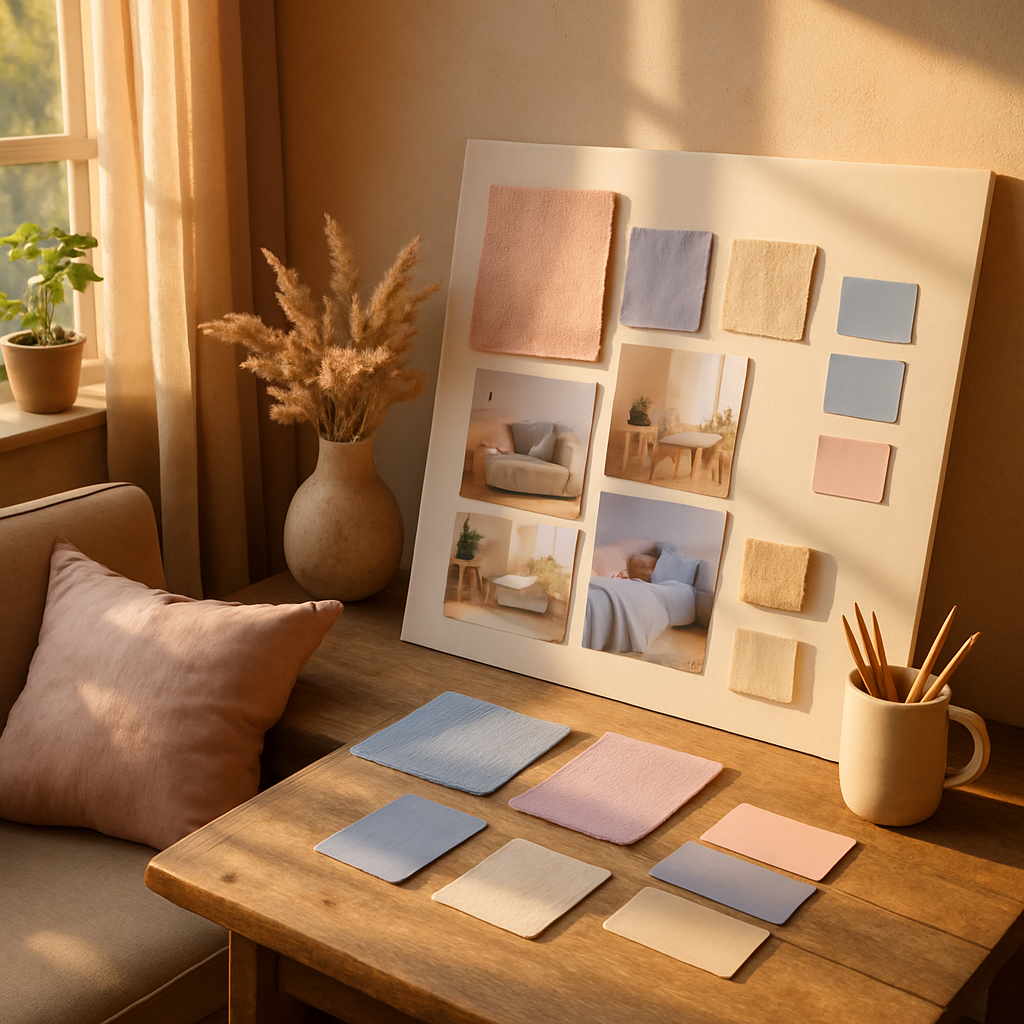
Have you ever stepped into a room and felt immediately at ease, as if every element was designed just for you? That seamless harmony doesn't happen by chance. Behind every great interior design is a meticulous process, often beginning with a well-curated mood board. A mood board serves as the visual foundation for your project, encapsulating colors, textures, and styles. But how do you create one that's not only inspiring but also practical? In this guide, we'll explore the art of crafting the perfect interior design mood board. We'll cover essential concepts, delve into expert advice, and provide actionable strategies to help you transform your space into a cohesive masterpiece.
Understanding the Basics of a Mood Board
Creating a mood board is more than just pasting pretty pictures together. It's about setting the tone and vision for your entire design project. At its core, a mood board is a collection of images, materials, and text that communicates your design ideas. It serves as a visual reference that guides every decision from paint colors to furniture selection. For many designers, it's the first step in the design process, providing a tangible way to explore and refine ideas.
Mood boards can be physical or digital. Physical boards might include fabric swatches, paint chips, and magazine cutouts, while digital boards utilize tools like Adobe Spark or Canva for a more streamlined approach. Each format has its benefits: physical boards offer tactile interaction, while digital versions provide easy sharing and editing. Regardless of the medium, the goal remains the same-capturing the essence of your vision.
Understanding the purpose of a mood board is crucial for successful interior design. It helps you stay focused, ensuring every choice aligns with your overall aesthetic. Whether you're a professional designer or a DIY enthusiast, a well-crafted mood board can save time and money by preventing costly mistakes down the line. Ready to dive deeper into the world of mood boards? Let's explore some key components that make them truly effective.
Key Components of an Effective Mood Board
For a mood board to serve its purpose, it must include specific elements that collectively convey your design intent. First and foremost, color schemes take center stage. According to a survey by the American Society of Interior Designers (ASID), color is one of the most significant factors influencing a room's atmosphere. Your mood board should feature a palette that reflects the mood you wish to create, whether it's calming neutrals or vibrant hues.
Next, consider textures and materials. The tactile quality of fabrics, woods, and metals adds depth to your design. Experienced professionals often note that mixing textures-like pairing a soft velvet with a coarse jute-can elevate the sophistication of a space. Images of these materials on your board will help visualize the interplay of different surfaces and their contribution to the overall feel of the room.
Incorporating images of furniture and accessories is equally important. This includes photos of potential pieces or inspiration for custom designs. Don't forget about lighting, as it dramatically affects the mood of a space. Industry surveys suggest that well-thought-out lighting design can enhance functionality and aesthetics, so be sure to include examples of lighting solutions on your mood board. With these components in place, your mood board will serve as a comprehensive guide for your design journey. Next, let's look at how you can translate this visual tool into actionable steps.
Turning Your Mood Board into a Practical Plan
Once your mood board is complete, it's time to transition from planning to execution. Start by using the board to define your project's scope and budget. For instance, if your board features high-end materials, you may need to allocate a larger budget. Conversely, if the focus is on sustainable or reclaimed materials, you might explore local suppliers for cost-effective options.
Next, create a timeline for your project. Break down the process into manageable phases: concept development, design presentation, procurement, installation, and styling. This step-by-step approach ensures nothing is overlooked and provides clear milestones to track progress. As you move forward, your mood board will act as a reference point, ensuring all decisions align with your original vision.
Finally, don't hesitate to revisit and revise your mood board as needed. Interior design is an iterative process, and flexibility is key. As you encounter new inspiration or practical considerations, update your board to reflect these changes. By keeping your mood board dynamic, you'll maintain a clear vision while adapting to the realities of your project. With your plan in place, it's time to explore some expert insights that can further enhance your design.
Expert Insights for Crafting Mood Boards
Professional interior designers like those in the International Interior Design Association (IIDA) emphasize the importance of storytelling in mood boards. Each element should contribute to a narrative that captures the desired experience of the space. For example, a mood board for a coastal-themed living room might include images of sandy beaches, ocean hues, and natural textures, all of which evoke the tranquil essence of seaside living.
Designers also recommend utilizing technology to enhance mood board creation. Augmented Reality (AR) and Virtual Reality (VR) tools, now common in the industry, allow you to visualize how selected elements will look in your space. This technology can provide a more immersive understanding of how your design will come together, reducing uncertainties and improving decision-making.
Another expert tip is to seek feedback from peers or clients. Sharing your mood board within a community, such as the Architectural Digest's AD PRO network, can provide valuable insights and alternative perspectives. Constructive criticism can reveal blind spots in your design and inspire innovative solutions. With these expert insights, your mood board will not only be a reflection of your vision but also a tool to communicate and refine your ideas. Let's delve into additional techniques that can elevate your design process.
Additional Techniques to Elevate Your Mood Board
To further enhance your mood board, consider incorporating biophilic design elements. This trend, which emphasizes natural materials and indoor-outdoor connectivity, can be reflected in your board through images of plants, natural light, and organic textures. According to Houzz's annual survey, designs that integrate nature are increasingly popular for their calming and health-promoting effects.
Another approach is to explore the concept of quiet luxury. This trend focuses on understated elegance through minimalist design, high-quality materials, and a neutral color palette. Mood boards featuring this aesthetic often include muted tones, luxurious textiles, and simple yet sophisticated furniture pieces. Such designs are known to create timeless spaces that appeal to a wide audience.
Finally, consider the role of smart home integration in your design. Including images of automated lighting, climate control, and window treatments can highlight the functional benefits of modern technology in interior spaces. As the demand for smart homes grows, incorporating these elements into your mood board will ensure your design remains relevant and forward-thinking. With these techniques in mind, let's wrap up with some final perspectives on creating impactful mood boards.
Final Perspectives on Mood Board Creation
Creating a mood board is both an art and a science. It requires a balance between creativity and practicality, ensuring that your design vision aligns with the realities of implementation. As you embark on this journey, remember that a mood board is a living document-a reflection of your evolving ideas and inspirations.
Are you ready to transform your space with confidence? Consider how your mood board can serve as a bridge between imagination and reality. By meticulously curating images, materials, and colors, you set the stage for a successful design project. Don't be afraid to experiment and push the boundaries of your creativity.
Ultimately, the goal is to create a space that resonates with you on a personal level. Whether you're designing a single room or an entire home, a well-crafted mood board is an invaluable tool that guides you every step of the way. Now, let's conclude with a call to action that will help you begin this exciting process.
Conclusion: Start Your Mood Board Journey Today
In summary, a mood board is more than a collection of images-it's a powerful tool that sets the foundation for your design project. By understanding its components, translating your vision into action, and utilizing expert insights, you can create a space that truly reflects your style and needs. So, why wait any longer?
Start by gathering inspiration on platforms like Pinterest or browsing designer portfolios on Houzz. Dedicate time this week to create your own mood board, and watch as your ideas begin to take shape. Even a small investment of time can yield a significant impact on your design journey. Are you ready to transform your space with a mood board? Begin today and unlock the potential of your creativity.


Comments
Post a Comment